


Fleet & Conveyance Access
Tankers, barges, rail tank cars, tank trucks and pipeline space, operated or chartered and vetted before every fixture. Vessels currently offered appear below.
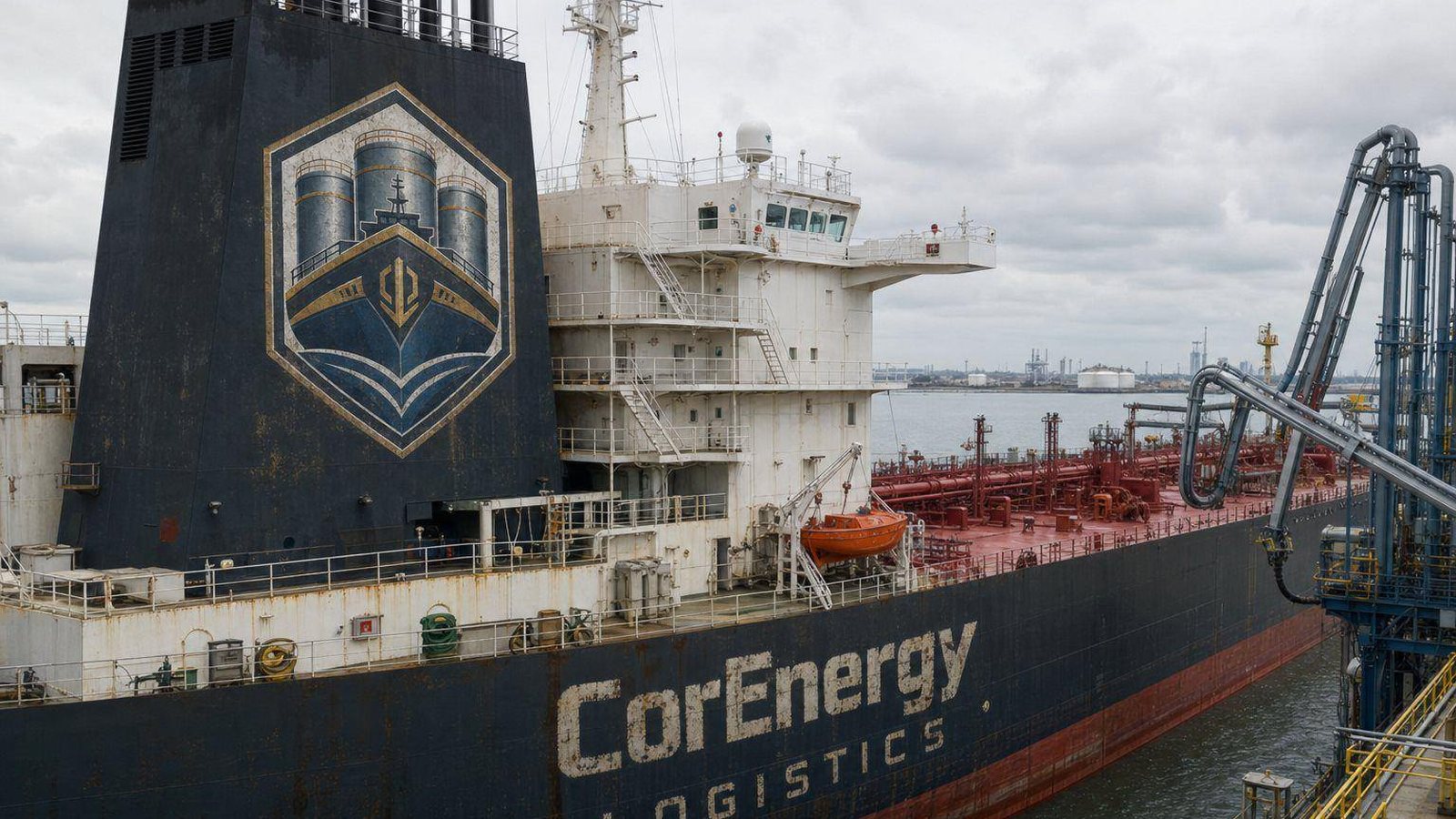
We move bulk liquids by tanker, barge, rail, truck and pipeline. Depending on the lane, we operate the conveyance or charter it from vetted owners and carriers. What we offer is access to the right conveyance for the cargo, the route and the receiving terminal, not a fleet number. A single movement often uses three or four modes, and each hand-off is measured.
The vessels currently offered to clients appear below this text. That list is inserted automatically and updated as vessels are fixed and released, so it reflects what is open now. The sections that follow describe each conveyance type, the rules it works under and how we vet it before cargo goes aboard.
Conveyance types at a glance
Each mode has a natural parcel size and a natural distance. Ocean tankers carry the largest cargoes over the longest routes. Barges and rail cars link inland terminals to the coast. Trucks make the last delivery. Pipelines move the steadiest volumes at the lowest unit cost once space is secured. The sizes below are typical for the industry, not a description of our units.
| Conveyance | Typical size | Typical use |
|---|---|---|
| VLCC | 200,000-320,000 dwt, about 2 million bbl | Long-haul crude |
| Suezmax | 120,000-200,000 dwt, about 1 million bbl | Crude on medium and long hauls |
| Aframax / LR2 | About 80,000-120,000 dwt | Regional crude and large product parcels |
| MR product tanker | 25,000-55,000 dwt | Clean products and some chemicals |
| Chemical / parcel tanker | Many segregated tanks, mostly under 50,000 dwt | Chemicals, vegetable oils, small parcels |
| Inland tank barge | 10,000-30,000 bbl | Rivers and protected coastal waterways |
| Rail tank car | About 30,000 US gal | Crude, ethanol, renewables, chemicals |
| Tank truck | About 8,000-9,000 US gal | Short haul and final delivery |
Marine and barge
Ocean tankers are fixed on voyage or time charter. Voyage charters commonly use ASBATANKVOY terms, with freight quoted in Worldscale points or as a lump sum, and a laycan, the window in which the ship must arrive. Laytime and demurrage, the agreed time to load or discharge and the charge for exceeding it, are set in the charter party.
Barges in US waters are US-flag units under Coast Guard rules for tank vessels, and coastwise moves fall under the Jones Act. In Europe, inland barges operate under the ADN dangerous-goods rules and are commonly vetted through the European Barge Inspection Scheme.
Rail, truck and pipeline
Crude, ethanol and other Class 3 flammable liquids move by rail in DOT-117 tank cars or retrofitted cars meeting the 49 CFR Part 179 requirements. LPG moves in pressure cars. Trucks use DOT-406 cargo tanks for gasoline and diesel, DOT-407 or DOT-412 for many chemicals and MC-331 for LPG, driven by holders of a commercial license with tank and hazmat endorsements.
Pipeline space is booked by monthly nomination under the carrier's tariff. Product moves in batches, and shippers must provide line fill and accept the interface where batches meet. We nominate on your behalf and track each batch from injection to delivery.
- Rail routing and car supply arranged with the serving railroads
- Truck dispatch with carriers holding hazmat operating authority
- Pipeline nominations, batch scheduling and line-fill planning
Vetting before every fixture
No conveyance carries a client's cargo until it passes our vetting for that specific movement. For tankers that means a recent SIRE 2.0 inspection report, or a CDI report for chemical tankers, plus class, insurance and certificate checks. For every mode it means sanctions screening of the unit and its owners and a check that the unit suits the cargo.
Conveyance currently offered
Open positions are shared directly by the chartering desk. Contact us with your stem.
How it works
- 1Screen
Inspection reports, class status, P&I cover and sanctions lists are checked for the unit and its owners.
- 2Match
Size, coatings, heating, previous cargoes and terminal compatibility are checked against the cargo and route.
- 3Fix
The conveyance is booked on agreed terms and added to the movement's tracking number.
- 4Monitor
Position and status are tracked until discharge, with each custody transfer measured.
Frequently asked questions
Why do you not publish a fleet count?
Because we operate some conveyances and charter others, and the mix changes with each lane and season. The vessels currently offered appear on this page, which is a more useful answer than a total.
Can I nominate my own vessel or carrier?
Yes, subject to our vetting and the receiving terminal's acceptance. The unit must pass the same checks as one we fix ourselves, and the terminal must accept it.
Can one movement combine several modes?
Often it must. A typical inland-to-export movement runs pipeline or rail to a coastal terminal, then a tanker. One tracking number covers every leg, and each hand-off is measured.
Related
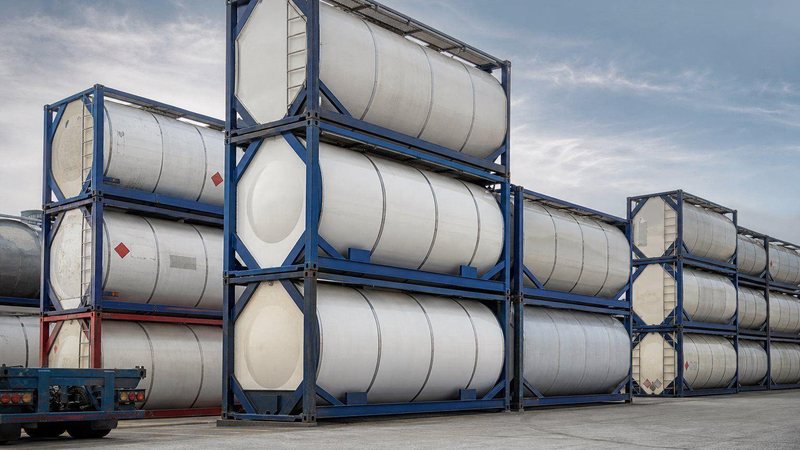
Conveyance Types
The full list of tankers, barges, railcars, trucks and pipelines a tracking link can show.
Read more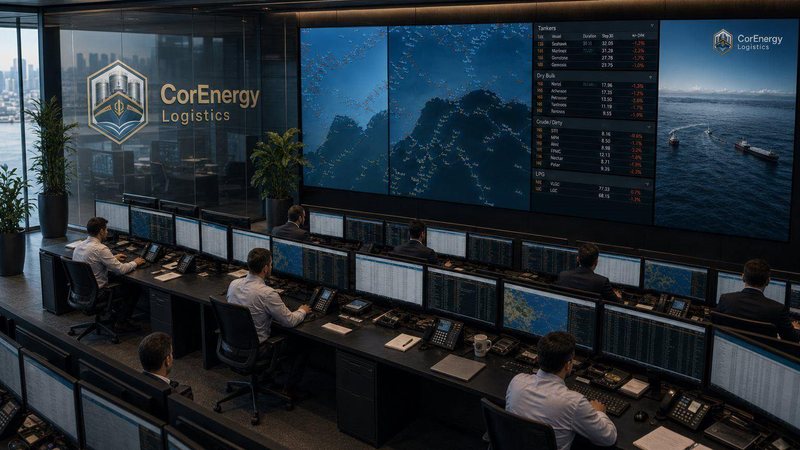
Chartering Desk
Voyage, time charter and COA fixtures, Worldscale freight, laytime and demurrage handled end to end.
Read more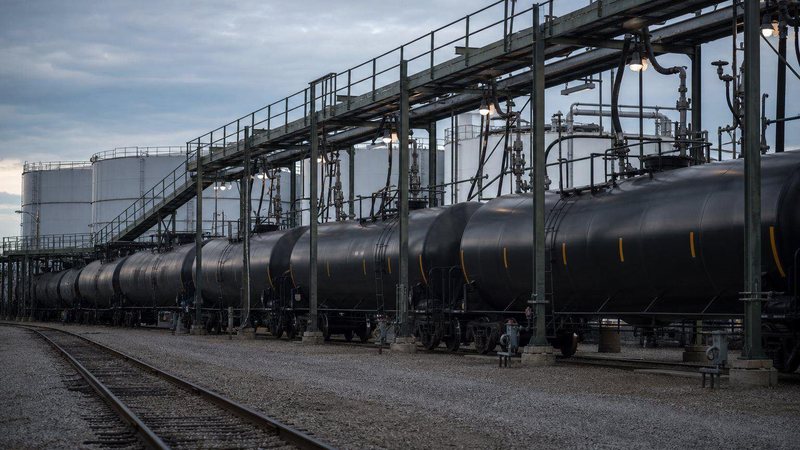
Rail Tank Car Transport
DOT-117 tank cars, unit trains, manifest service and transloading for crude, products and renewables.
Read more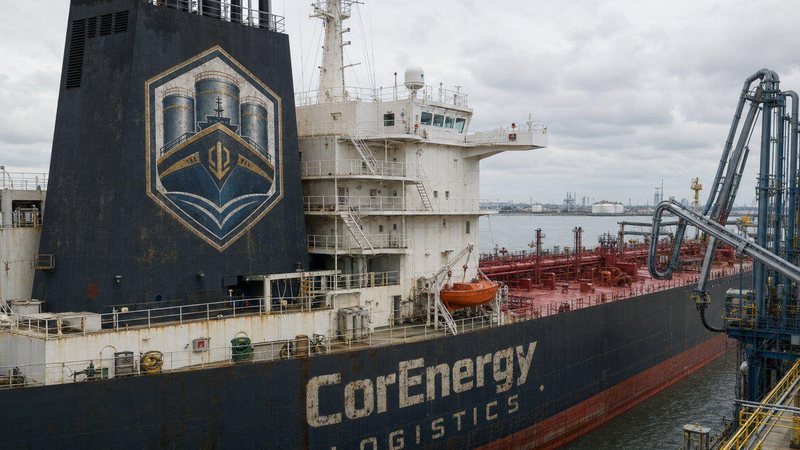
Tanker and Conveyance Sizes
MR to VLCC, barges, ATBs, rail cars and trucks: typical sizes and what they carry.
Read moreFind the right conveyance
Tell us the product, quantity, origin, destination and dates. We will propose the modes and units that fit.