


Aviation Fuel Storage and Freight
Jet fuel is the least forgiving product we handle. Dedicated tankage, documented recertification and strict water control protect each batch on its way from refinery to airport.
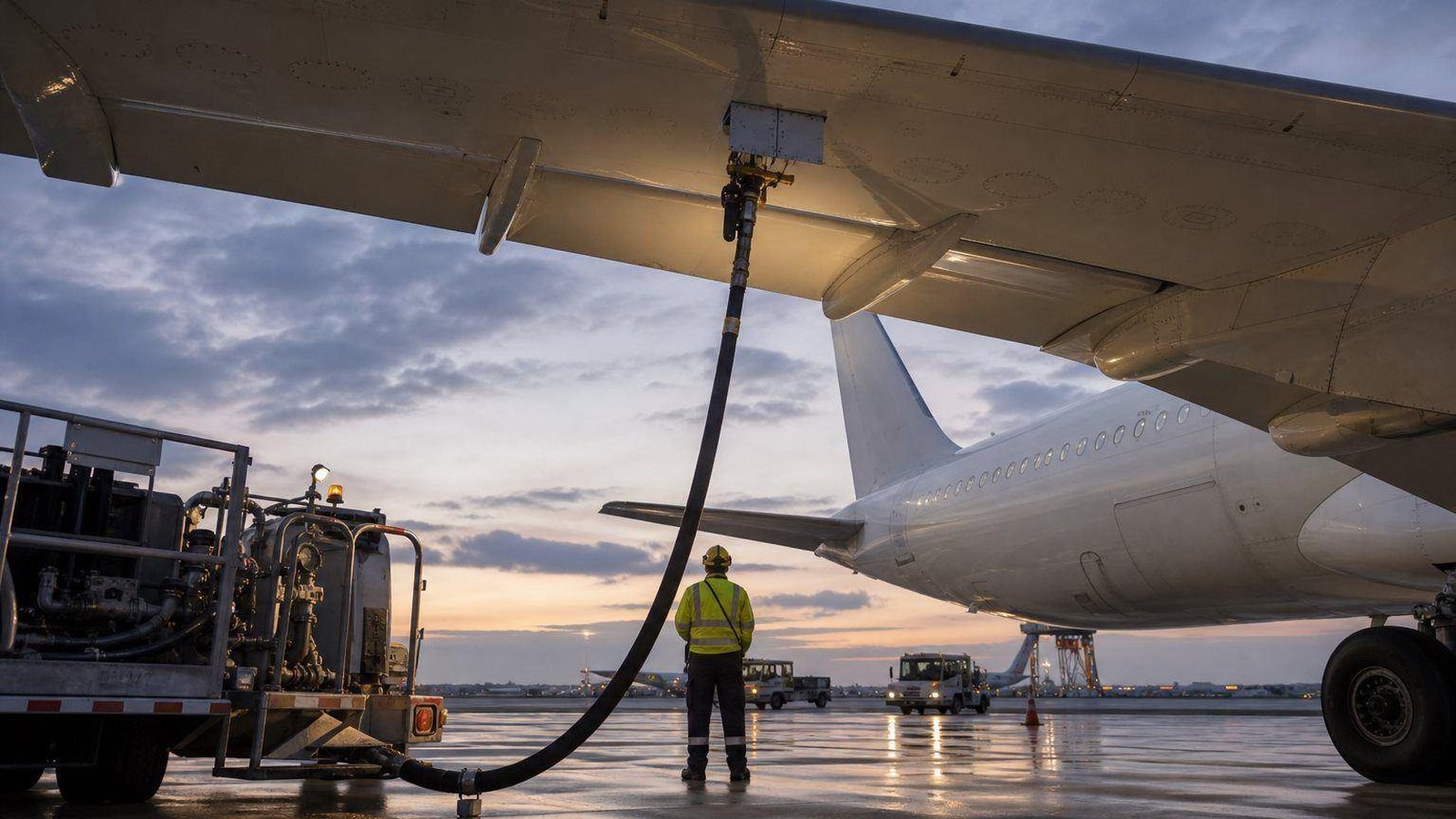
Aviation fuel has to arrive at the wing exactly as it left the refinery: on specification, dry, clean and fully documented. A batch that picks up water, particulates or a trace of another product cannot be blended away or sold to an airline at a discount. It has to be quarantined, investigated and often downgraded. Every link in the supply chain carries that risk, and a terminal is one of the busiest links.
We store and move Jet A and Jet A-1 for refiners, traders and airport fuel suppliers. Our practice follows the published industry standards for aviation fuel quality. We handle jet as a dedicated product, with its own tankage, lines and records, and we treat the paper trail as part of the fuel.
The specifications we work to
Two specifications cover most of the jet fuel we handle. ASTM D1655 defines Jet A, used mainly in the United States, and Jet A-1. DEF STAN 91-091 defines Jet A-1 as supplied in much of the rest of the world. Joint airport fueling systems often apply a combined checklist, AFQRJOS, that takes the stricter requirement from each. Upstream of the airport, EI/JIG Standard 1530 sets out quality assurance for manufacture, storage and distribution.
The table shows headline limits only. Both specifications contain many more properties, test methods and conditions, and both are revised regularly. We test each batch against the current issue named in your contract, not against a summary like this one.
| Property | Jet A (ASTM D1655) | Jet A-1 (DEF STAN 91-091) |
|---|---|---|
| Freezing point, max | -40 °C | -47 °C |
| Flash point, min | 38 °C | 38 °C |
| Density at 15 °C | 775 to 840 kg/m³ | 775 to 840 kg/m³ |
| Viscosity at -20 °C, max | 8.0 mm²/s | 8.0 mm²/s |
| Total sulfur, max | 0.30 mass % | 0.30 mass % |
| Aromatics, max | 25 vol % | 25 vol % |
Dedicated handling, start to finish
Jet fuel is kept apart from everything else. That means tanks, lines, pumps and filters used only for jet, with design features that let water and dirt be found and removed rather than carried forward. Checks are frequent and recorded, because a skipped water drain is where most contamination starts.
- Dedicated tanks and lines, never shared with other grades
- Floating suction that draws product from near the surface, above settled water
- Sloped tank bottoms with low-point sumps for water draining
- Epoxy-lined tank interiors to limit rust and particulates
- Filter water separators qualified to EI 1581 on delivery lines
- Regular sump drains with a recorded clear-and-bright check
Batch traceability and recertification
Each batch arrives with a refinery certificate of quality or a certificate of analysis. When it moves into a terminal tank, it is allowed to settle, then sampled and tested again. Recertification testing, as described in EI/JIG 1530, confirms that key properties have not changed in transit and that the batch can be released.
The new results are compared with the original certificate. A property that has moved beyond the allowed difference stops the batch. Each release carries a document trail linking the delivered volume back to the original refinery batch under one tracking number.
Moving jet fuel
Every mode brings its own risk. Multiproduct pipelines and shared marine cargoes are the usual route for trace contamination, including fatty acid methyl ester (FAME) from biodiesel, which both main specifications limit to 50 mg/kg. We check previous cargoes for tankers and barges, manage interfaces on pipeline batches, and use dedicated or properly cleaned trucks and rail cars.
Synthetic blending components such as HEFA-SPK are produced under ASTM D7566 and blended with conventional jet within that specification's limits. Once blended and certified, the fuel is treated as ASTM D1655 jet and follows the same quality chain. We keep records for the neat component and the blend.
How it works
- 1Document check
Batch certificate checked against the specification before discharge.
- 2Receipt and settling
Product received into a dedicated tank and allowed to settle.
- 3Sampling and testing
Water drained, samples drawn and recertification tests run.
- 4Release
Results compared with the original certificate; batch released or held.
- 5Delivery
Filtered delivery with its document trail under one tracking number.
Frequently asked questions
Do you handle both Jet A and Jet A-1?
Yes, as separate grades. They differ mainly in freezing point, so Jet A cannot be supplied where Jet A-1 is required. We keep them in separate tankage with separate records, and each batch is released against the specification named in your contract.
Are you JIG certified?
We do not claim JIG membership, accreditation or certification. We work to JIG-style handling practice, ASTM D1655, DEF STAN 91-091 and EI/JIG 1530, and we invite airport suppliers and airlines to audit our handling against their own requirements.
What happens if a batch fails recertification?
It stays in tank and is not released. We notify the owner, retain the samples, and work with the owner and the independent inspector to find the cause. Depending on the result, the batch may be retested, reprocessed or sold into a different grade.
Related
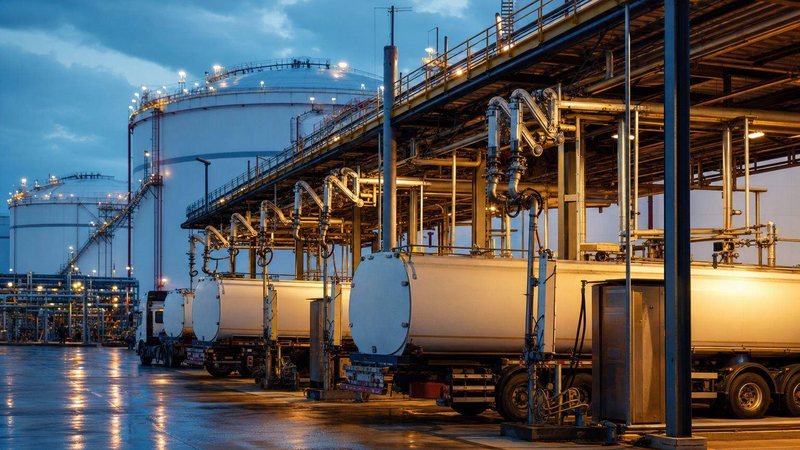
Refined Products Storage
Gasoline blendstocks, ULSD and jet fuel on segregated systems, with dye and additive injection.
Read more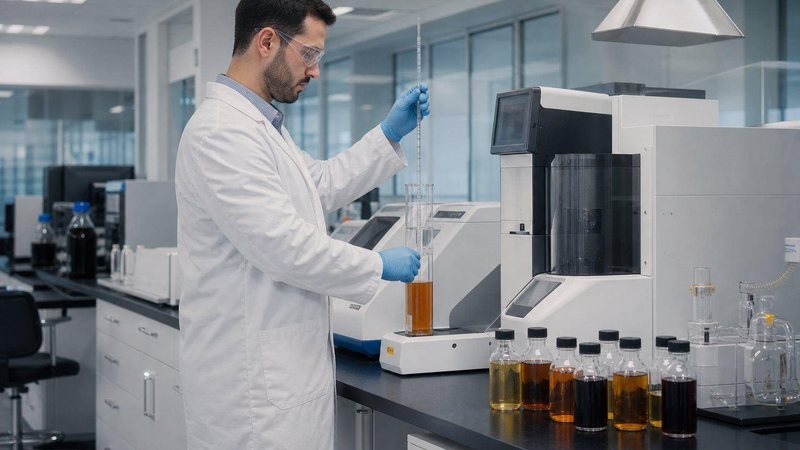
Quality & Measurement Standards
API MPMS, API 650/653/2350, ASTM test methods, ISO 8217:2024 and independent inspection.
Read more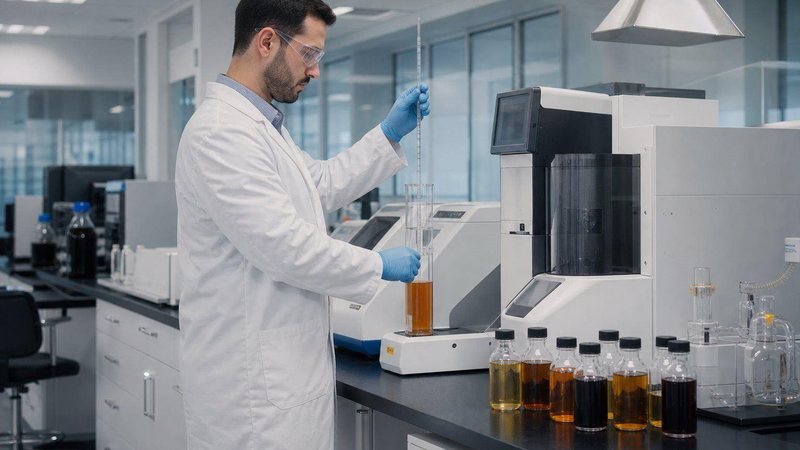
Fuel Quality Specifications
ISO 8217, ASTM D975 and D1655, EN 590 and EN 14214: which spec governs which fuel.
Read more
Buyer / Receipt-Holder Portal
KYC-verified buyers see grade, quantity, tank, status and documents for the product they hold.
Read morePlan your jet fuel supply
Tell us the grade, the volumes and where the fuel needs to go. We will set out tankage, transport and the quality steps in between.