


ARA: Amsterdam-Rotterdam-Antwerp
The storage, blending and barging hub of Northwest Europe. We arrange tank capacity, blending supervision, Rhine barge freight and independent inspection across ARA.
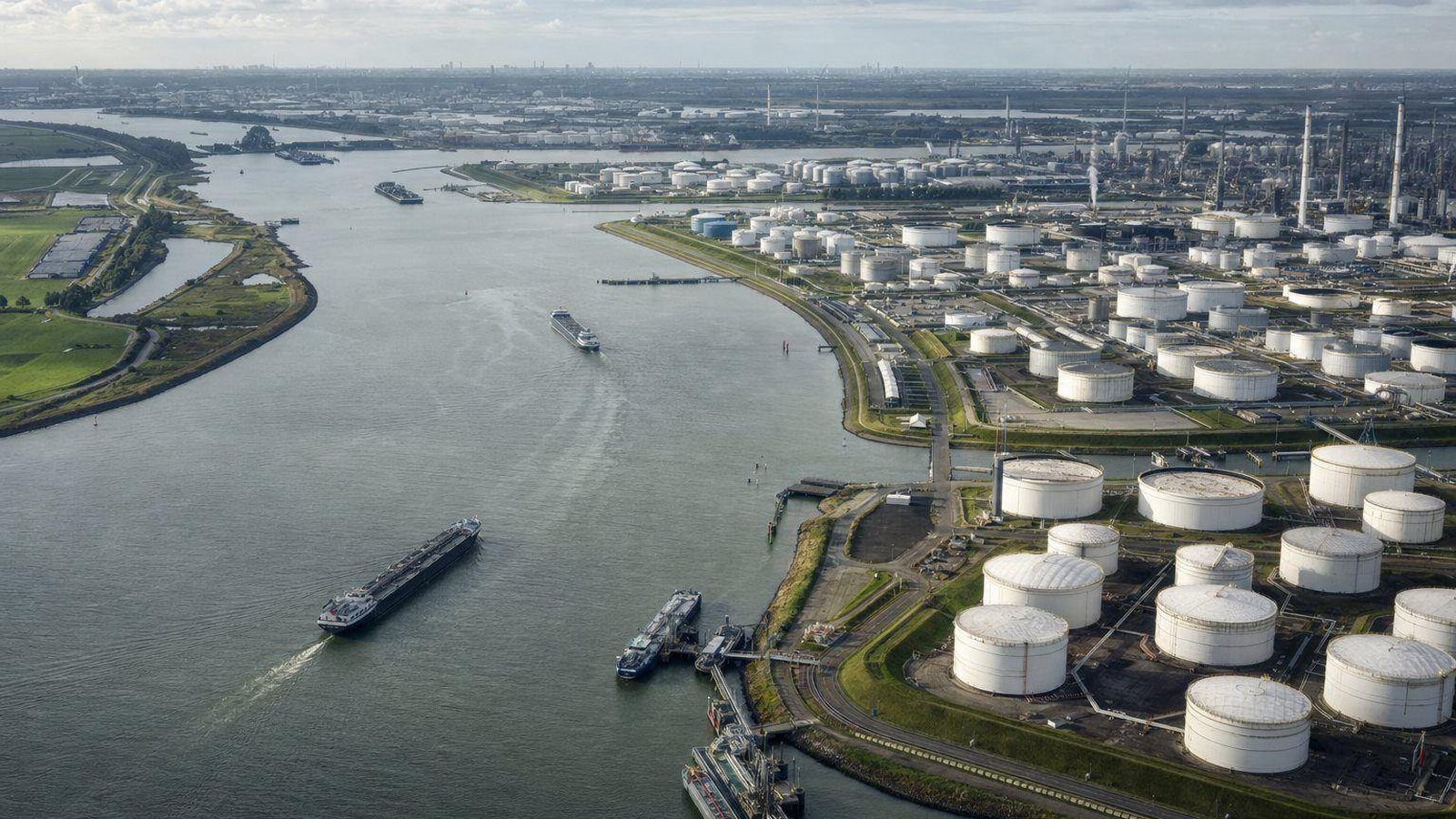
ARA stands for Amsterdam, Rotterdam and Antwerp, the three North Sea ports linked to the Rhine, Maas and Scheldt waterways that together form the storage and blending hub of Northwest Europe. Crude arrives for the region's refineries, products arrive from the US Gulf, the Middle East and Asia, and blended gasoline, diesel and biofuels leave again by ship, barge, pipeline and rail.
ARA is also a price point. Gasoil futures deliver from storage in the ARA area, and gasoline blendstock trades as barges basis ARA. For our clients that means storage here is rarely just a place to wait: it is where a cargo is blended to specification, tested, priced and split into barges or ship parcels. We arrange third-party tank capacity, blending supervision, barge and ship freight, inspection and tracking.
Three ports, three characters
The three ports work as one market but specialize. Rotterdam has the deepwater approaches, the crude terminals and the largest storage base. Amsterdam is known for gasoline blending and export, including cargoes for West Africa. Antwerp combines refining with a major chemicals cluster. Flushing, on the Scheldt estuary, is often counted within the ARA delivery area.
| Port | Main role | Typical products |
|---|---|---|
| Rotterdam | Crude import, refining, deepwater storage | Crude, fuel oil, gasoil, jet, biofuels |
| Amsterdam | Gasoline blending and export, distillates storage | Gasoline components, jet, gasoil |
| Antwerp | Refining and chemicals cluster | Chemicals, gasoil, naphtha, LPG |
| Flushing (Vlissingen) | Products storage on the Scheldt | Gasoil, fuel oil |
Blending to specification
Much of what passes through ARA is blended. Gasoline components become Eurobob or finished grades for export. Gasoil is blended to EN 590 diesel, with FAME or HVO added to meet European renewable mandates. Fuel oil is blended to marine specifications under ISO 8217. Each blend changes the quantity and quality on paper, so it needs an independent witness.
We arrange blending in third-party terminals that offer in-tank or in-line blending and additization. An independent inspector samples each component, witnesses the blend, samples the finished tank and reports results against the contract specification before any barge or ship loads.
Rhine barging
Barges carry ARA products up the Rhine to Germany, France and Switzerland. Inland tank barges range from under 1,000 to more than 3,000 tonnes, travel under the ADN rules for dangerous goods on inland waterways and are commonly vetted through the European Barge Inspection Scheme (EBIS).
The Rhine is a river, not a canal, and its depth sets the economics. When water levels fall at the Kaub gauge on the Middle Rhine, barges must load light and carriers apply low-water surcharges. A cargo that fits four barges in spring can need six or more in a dry autumn.
- Barge fixtures matched to the grade and the destination terminal
- EBIS-vetted barges with ADN documentation
- Kaub water-level watch during dry seasons
- Load-light planning and surcharge estimates before fixing
What we arrange in ARA
We source storage in segregated or commingled tanks, depending on whether your buyer needs its own barrels kept apart. We fix ocean freight into and out of ARA, Rhine and coastal barges, and arrange pipeline or rail connections where the terminal offers them. Every receipt, blend and release is measured by an independent inspector and recorded against your tracking number.
How it works
- 1Nominate
We nominate the barge, quantity and loading window to the terminal and confirm the destination tank is ready to receive.
- 2Measure before
The inspector gauges and samples the shore tank and checks the barge tanks are empty and fit to load.
- 3Load and document
The barge loads, the inspector measures shore and barge quantities, and the loading documents issue.
- 4Track and outturn
The barge appears on the tracker while on the Rhine. At discharge the receiving tank is measured and outturn is reconciled.
Frequently asked questions
What does basis ARA mean in a price?
It means the price applies to product delivered or loaded within the Amsterdam-Rotterdam-Antwerp area, usually by barge. Freight to or from other ports is priced as a differential on top of the ARA reference.
How does low water on the Rhine affect my delivery?
Barges load less, so a cargo needs more of them and freight rises with low-water surcharges. Transit times can also lengthen. We watch the Kaub gauge and quote load-light scenarios before fixing.
Can you keep my product segregated in ARA?
Yes, where the terminal has suitable tank size available. Segregated storage keeps your barrels in a dedicated tank. Commingled storage, where product of the same specification is pooled, can cost less but you receive product to spec, not the same molecules.
Who certifies the quality of a blend?
An independent inspection company appointed under the contract. It samples components and the finished tank and tests against the agreed specification, such as EN 590 or ISO 8217.
Related
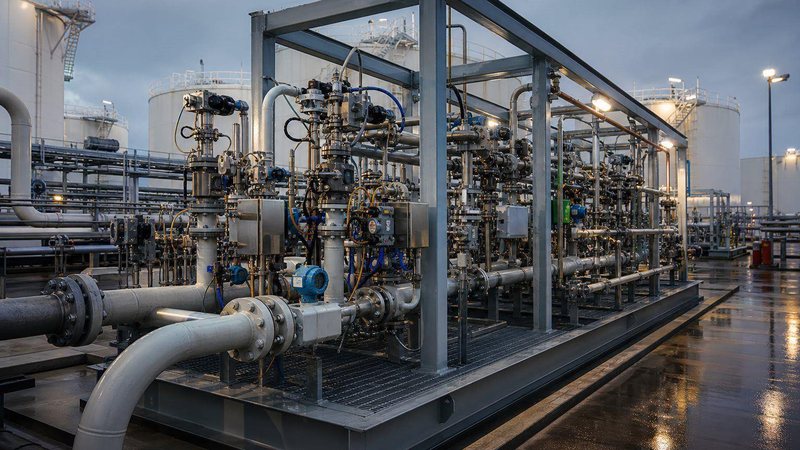
Blending & Additization
In-tank and inline blending and additive injection, verified by ASTM testing before release.
Read more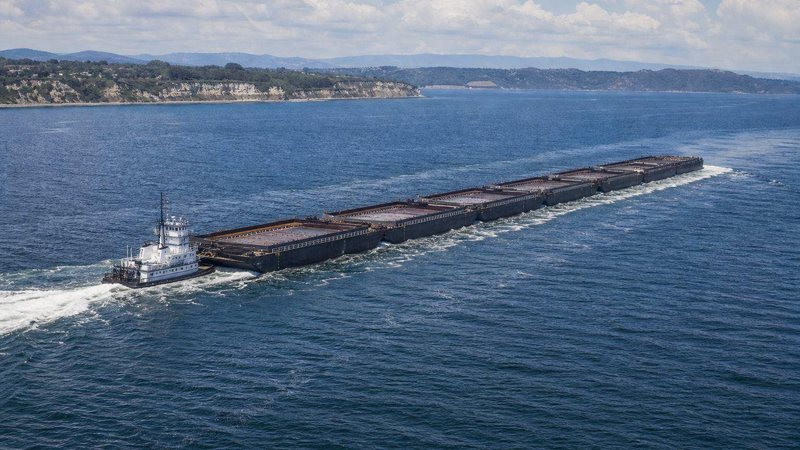
Tank Barge Transport
Inland tank barges, tows, ATBs and heated asphalt barges on US rivers, the Intracoastal and the coast.
Read more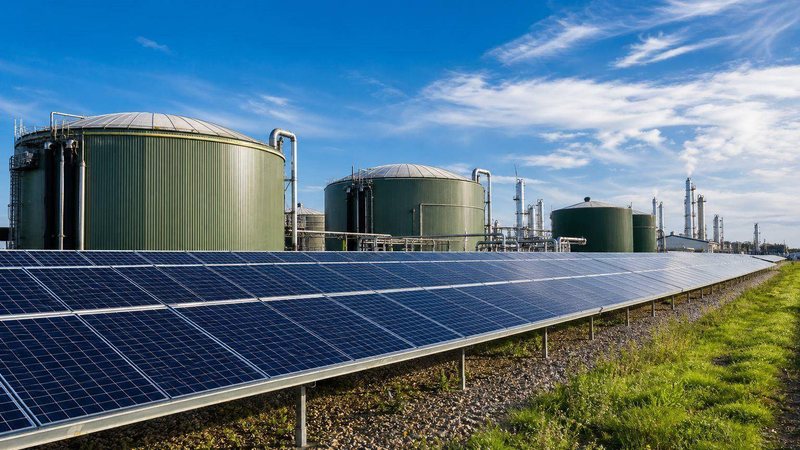
Renewables & Biofuels Storage
Ethanol, FAME, renewable diesel and SAF stored dry and warm, with records for ISCC and RINs.
Read more
West Africa
Product imports, floating storage and lightering into West African ports.
Read moreStore or blend in ARA
Send product, quantity, duration and any blending requirement. We will propose tank capacity, barge or ship freight and inspection.