


Tanker and Conveyance Sizes
Choosing a conveyance starts with size. This guide sets out the tanker classes the market uses, the inland and coastal units that serve US terminals, and the rules of thumb that decide how much a ship can lift.
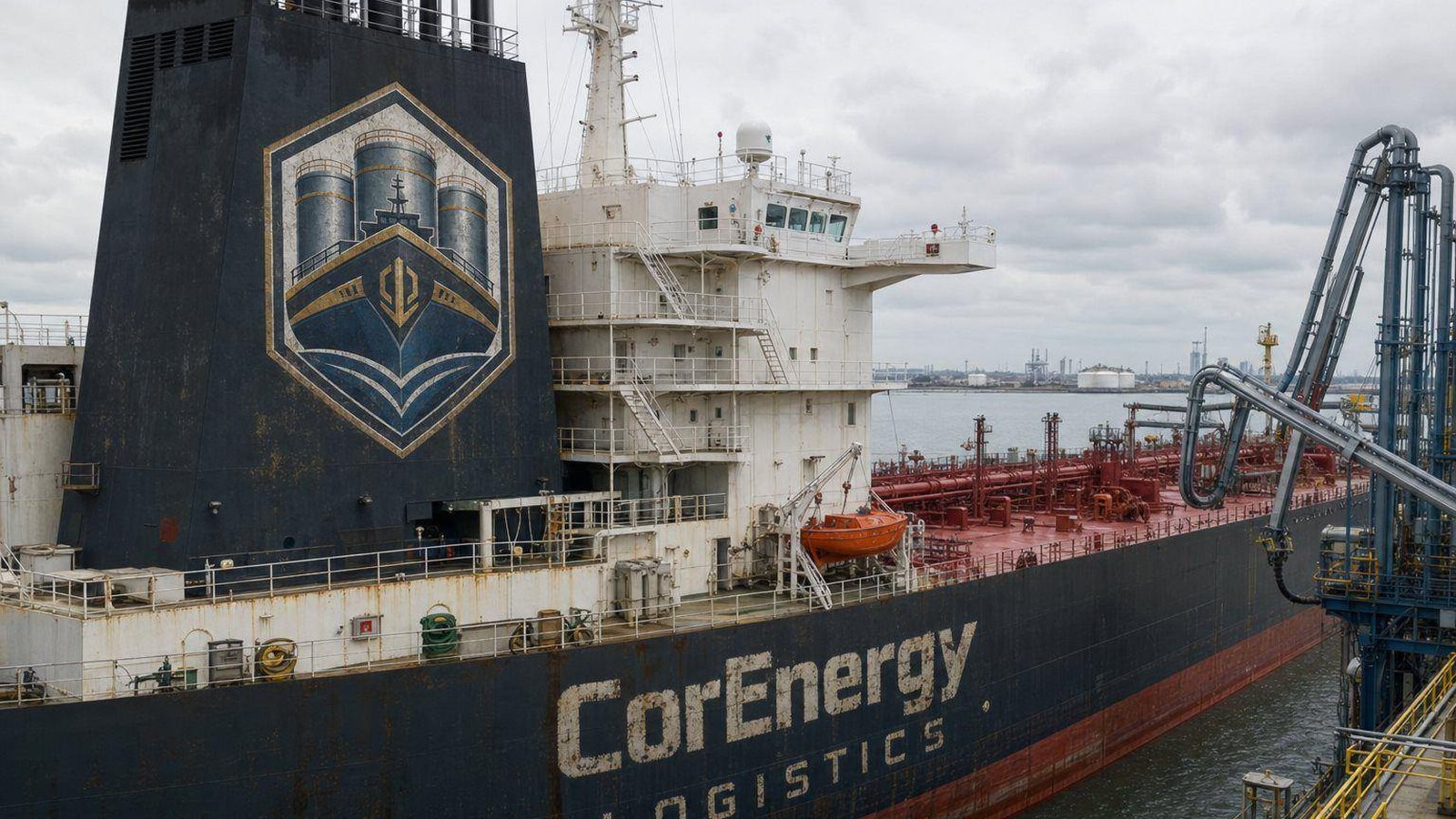
Tankers are classed by deadweight tonnage (DWT), the total weight a ship can carry: cargo plus fuel, fresh water, stores and crew. The class names are market shorthand rather than legal categories, and brokers draw the boundaries slightly differently, so treat every range on this page as approximate. A class tells you which ports and canals a ship can use, what parcel size it suits and how its freight is quoted.
Below the deep-sea fleet sit the units that move product to and from inland terminals: tank barges, articulated and integrated tug-barges, rail tank cars and road tankers. For a terminal client the practical question is which of these can reach a given berth, siding or truck rack, and how many lifts a cargo will need.
Deep-sea tanker classes
Product tankers are usually described with the Medium Range and Long Range labels; crude tankers with the Aframax, Suezmax and VLCC names. Clean products such as gasoline, jet and diesel move mainly in MR, LR1 and LR2 ships with coated tanks. Crude oil and dirty products such as fuel oil move mainly in Aframax and larger ships.
| Class | Approx. DWT | Typical use |
|---|---|---|
| Small and Handysize | Under ~40,000 | Coastal, chemical and short-sea parcels |
| MR (Medium Range) | ~40,000 to 55,000 | The workhorse for gasoline, diesel and jet on regional and transatlantic routes |
| LR1 / Panamax | ~55,000 to 80,000 | Larger clean or dirty parcels; Panamax was sized for the original Panama Canal locks |
| LR2 / Aframax | ~80,000 to 120,000 | Long-haul clean products as LR2; crude and fuel oil as Aframax, including Gulf lightering |
| Suezmax | ~120,000 to 200,000 | Crude, about 1 million bbl; sized for laden transit of the Suez Canal |
| VLCC | ~200,000 to 320,000 | Long-haul crude, about 2 million bbl |
| ULCC | Above 320,000 | Very few in service; the longest crude routes and floating storage |
Inland and coastal units
On US rivers and coastal routes, product moves in tank barges pushed or towed by towboats and tugs. Inland tank barges commonly come in 10,000 and 30,000 barrel sizes and travel in multi-barge tows on the Mississippi River system and the Gulf Intracoastal Waterway. Coastal trades use articulated tug-barges (ATBs) and integrated tug-barges (ITBs), in which the tug sits in a notch at the barge stern.
| Conveyance | Typical capacity | Notes |
|---|---|---|
| Inland tank barge | 10,000 or 30,000 bbl are common sizes | Rivers and the Gulf Intracoastal Waterway, usually in multi-barge tows |
| ATB or ITB | Varies widely by unit | Coastal and short-sea routes, including Jones Act trades between US ports |
| Rail tank car (DOT-117) | Commonly around 30,000 US gal, roughly 700 bbl | Crude unit trains often run to 100 cars or more |
| Road tanker | Roughly 200 bbl | Rack-to-retail and short-haul deliveries |
Cubing out and weighing out
A ship's intake is limited either by weight or by volume. Heavy cargoes such as fuel oil or heavy crude reach the deadweight limit before the tanks are full: the ship weighs out. Light cargoes such as naphtha or gasoline fill the tanks before deadweight is reached: the ship cubes out. The same MR will lift noticeably fewer metric tons of naphtha than of diesel.
Draft is the other limit. A berth or channel draft restriction can force a large ship to load a part cargo, to lighter offshore, or to give way to a smaller class. Few US Gulf Coast berths can take a fully laden VLCC, which is why lightering and reverse lightering with Aframaxes are routine there.
The Jones Act and vetting
Cargo moving by water between two US points must travel on ships that are US-built, US-flagged and owned and crewed by US citizens, under Section 27 of the Merchant Marine Act of 1920, known as the Jones Act. It shapes the availability of coastal barges and tankers, and the cost of domestic waterborne freight.
Whatever its size, a ship must pass vetting before most charterers and terminals will accept it. Vetting draws on the ship's Q88 questionnaire, its OCIMF SIRE 2.0 inspection reports, the operator's record and terminal feedback. A ship of the right size that fails vetting is not an option.
- Size: length, beam, draft and air draft against berth and channel limits
- Compatibility: manifold size and height, mooring arrangement, cargo and vapor connections
- Acceptance: vetting status, inspection history and terminal approval
Frequently asked questions
How many barrels does an MR carry?
It depends on the ship and the density of the product, but a modern MR of around 50,000 DWT commonly lifts in the region of 300,000 to 350,000 barrels of clean product. Light products cube out before the ship reaches its deadweight.
What is the difference between an Aframax and an LR2?
Mostly the tank coating and the trade. Both sit in the same size band. An LR2 has coated tanks and carries clean products such as naphtha, jet or diesel; an Aframax usually has uncoated tanks and carries crude oil or dirty products such as fuel oil.
Do you arrange rail and truck as well as ships?
Yes. We move bulk liquids by tanker, barge, rail, truck and pipeline, and combine modes where a route needs it. Every movement has a tracking number that works on the public tracker and on a private link.
Why can a ship of the right size still be rejected?
Because size is only one test. The ship must also fit the berth physically, from manifold height to mooring layout, and pass vetting. A mismatch found after the ship has sailed costs time and money, so compatibility is checked at nomination.
Related
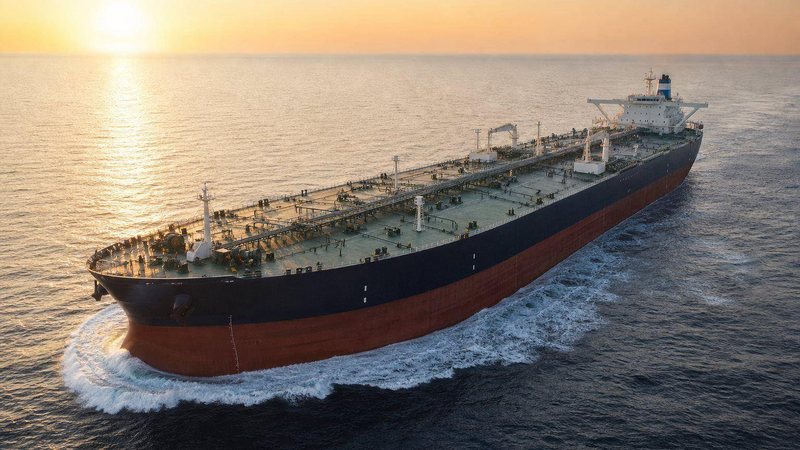
Marine Tanker Freight
Tanker size classes, SIRE 2.0 vetting and Jones Act rules, matched to your parcel and both berths.
Read more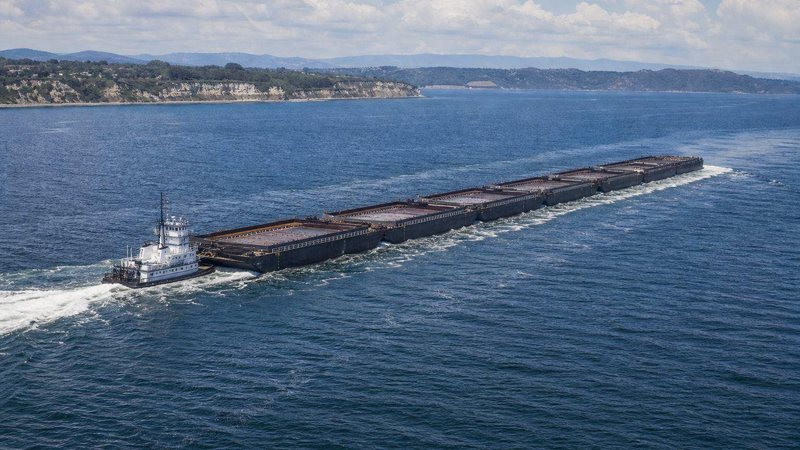
Tank Barge Transport
Inland tank barges, tows, ATBs and heated asphalt barges on US rivers, the Intracoastal and the coast.
Read more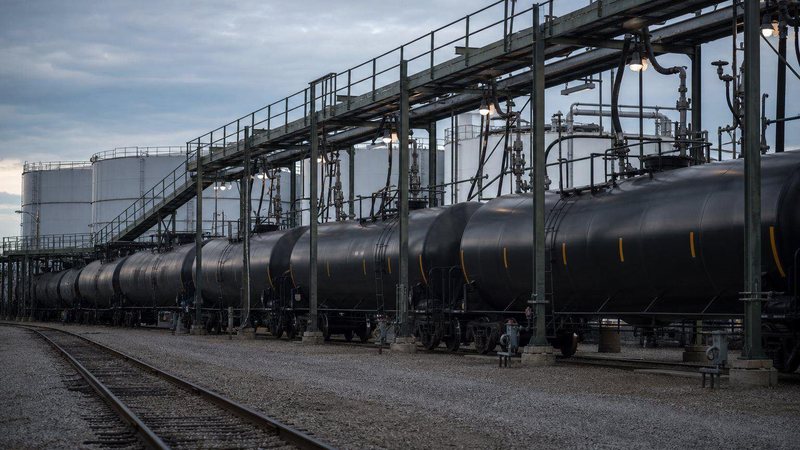
Rail Tank Car Transport
DOT-117 tank cars, unit trains, manifest service and transloading for crude, products and renewables.
Read more
Conveyance Types
The full list of tankers, barges, railcars, trucks and pipelines a tracking link can show.
Read moreNot sure which size fits your cargo?
Give us the product, quantity, density, origin and destination. Our chartering desk will suggest conveyance options and freight terms.