


Bitumen & Asphalt Storage
Bitumen stays liquid only when it is hot. We hold it in heated, insulated tanks at the temperature its grade needs, and treat water, fumes and roof deposits as the hazards they are.
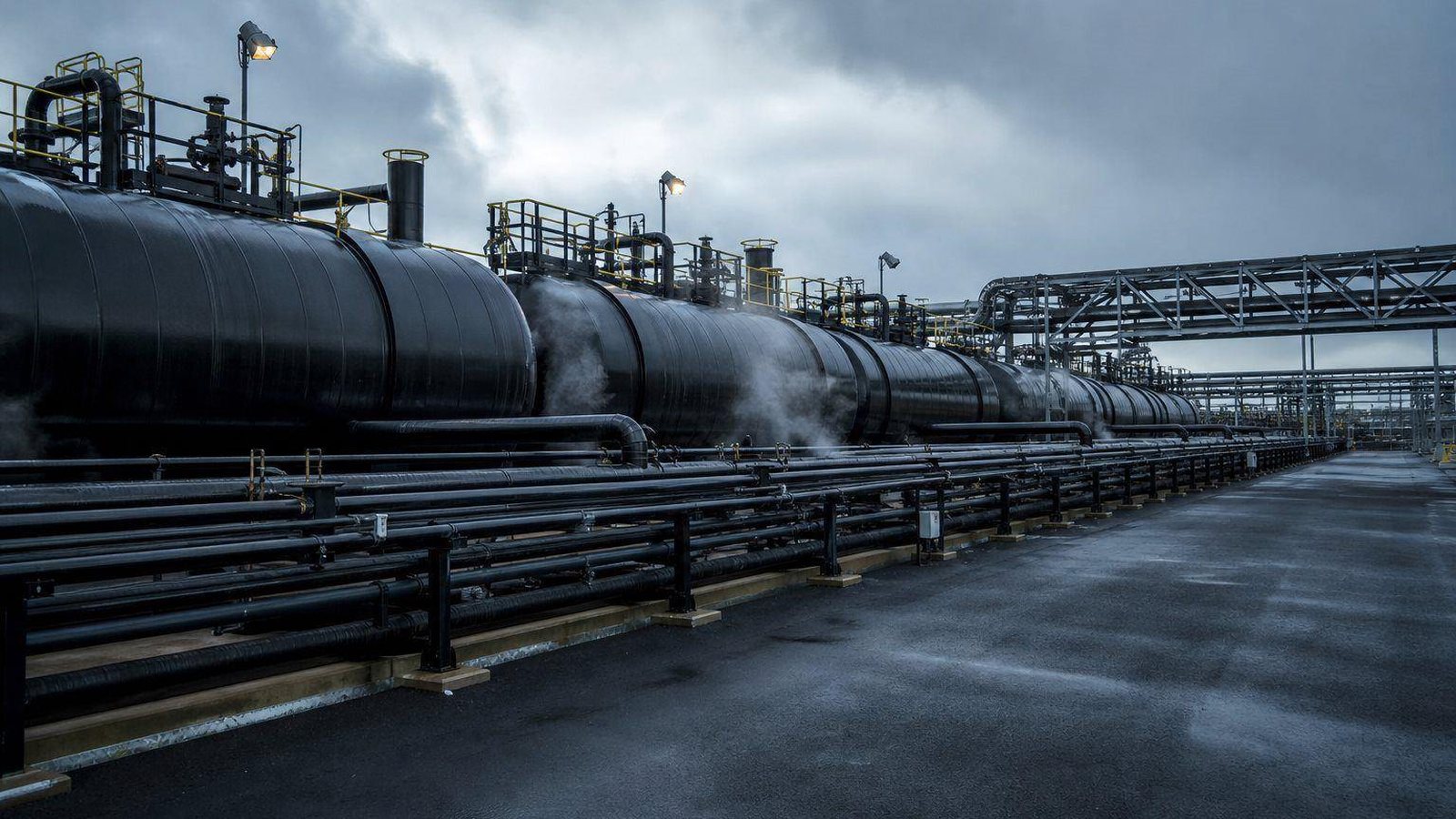
Paving bitumen, called asphalt binder in US practice, is close to solid at ambient temperature. To pump, load and blend it, it is held in insulated tanks at roughly 150 to 180 °C, depending on the grade and the supplier's guidance. At those temperatures it handles well. Water, air and neglect turn it into one of the more dangerous products on a terminal.
We store bitumen in heated, insulated fixed-roof tanks, circulate it through heated lines and log temperatures from receipt to delivery. Polymer-modified binders are agitated so the polymer stays dispersed. Loading goes to insulated trucks, heated railcars or bitumen carriers by arrangement, at the temperature the receiving end needs. Heating is priced and billed as a separate service.
Grades and specifications
A PG 64-22 binder is graded for a high pavement temperature of 64 °C and a low of -22 °C. Grade systems differ by market, so we record the grade, the specification and the supplier certificate for every receipt, and keep grades segregated unless the owner instructs a blend.
| Grading system | Example | Where it is used |
|---|---|---|
| Performance Grade (PG) | PG 64-22 | US paving binders under AASHTO M 320 and M 332 |
| Penetration grade | 60/70, 85/100 | International paving; ASTM D946 in the US |
| Viscosity grade | AC-20, AC-30 | ASTM D3381; older US and some export specifications |
| Polymer-modified | SBS-modified PG grades | Heavy-traffic and demanding-climate pavements |
| Emulsions | Cationic and anionic grades | Stored far cooler; must not freeze or boil |
Heating and circulation
Bitumen tanks are heated with thermal oil coils or electric elements, insulated and clad, and fitted with temperature measurement at more than one level. Lines and pumps are jacketed or heat-traced so product does not set in them. Circulation keeps temperature even, and for polymer-modified grades, agitation stops the polymer separating.
Bitumen should not be held hotter or longer than it needs. Excess temperature hardens it by oxidation and increases fume. Each grade has a maximum handling temperature set by the supplier, and our set-points stay below it. Between movements, a tank can sit at a lower holding temperature and be raised again before loading.
Hazards we control
Hot bitumen can release hydrogen sulfide and light hydrocarbons into the tank head space, so the vapor space can be flammable even though the bitumen's own flash point is high. Pyrophoric iron sulfide and carbon deposits can build up under the roof. We monitor head-space atmospheres, inspect and clean roofs on schedule and gauge with H2S precautions.
- Personal H2S monitors for anyone at a tank roof or hatch
- Heat-resistant gloves, face shields and long sleeves at every loading point
- Burn first aid: cool with water; never pull bitumen off skin
- Slow, even heating when restarting a tank that has cooled
Loading out
Bitumen leaves storage in insulated tank trucks, insulated and coiled railcars or purpose-built bitumen carriers by sea. Loading temperature is set by the receiving end: the asphalt plant, the modification unit or the ship's heating capacity. We record temperature at loading alongside quantity, because a binder delivered too cold may not unload, and one delivered too hot may be refused.
Frequently asked questions
Can bitumen be held cooler to save heating cost?
Between movements, yes, as long as it stays pumpable and the supplier agrees. The tank is raised to loading temperature ahead of each movement. We agree the holding and loading set-points with you and show the effect on heating cost.
Do you store polymer-modified asphalt?
Yes, in tanks with agitation or circulation that keeps the polymer dispersed. Modified binders can separate in static storage, so we follow the supplier's guidance on temperature, agitation and maximum storage time.
How is bitumen measured?
By tank gauge with correction to standard temperature using the appropriate tables, or by weighing trucks and railcars on legal-for-trade scales. Because bitumen is stored hot, the temperature correction is large, so accurate multi-level temperature readings matter.
Related
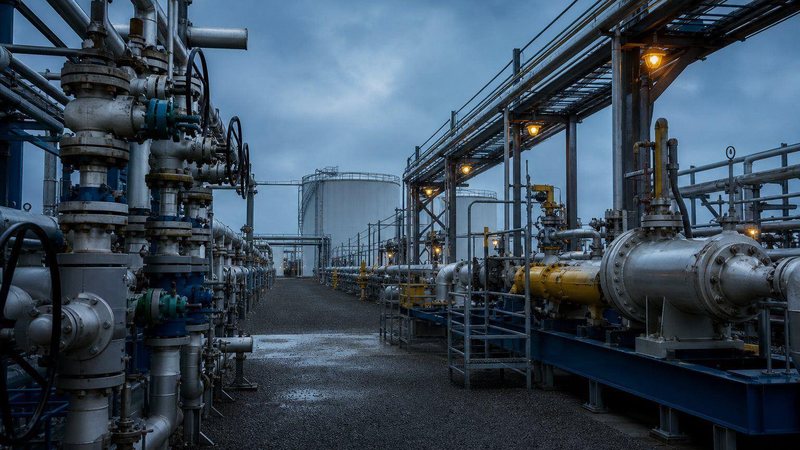
Tank & Line Heating
Steam, thermal oil and heat tracing for viscous products, with logged temperatures and clear pricing.
Read more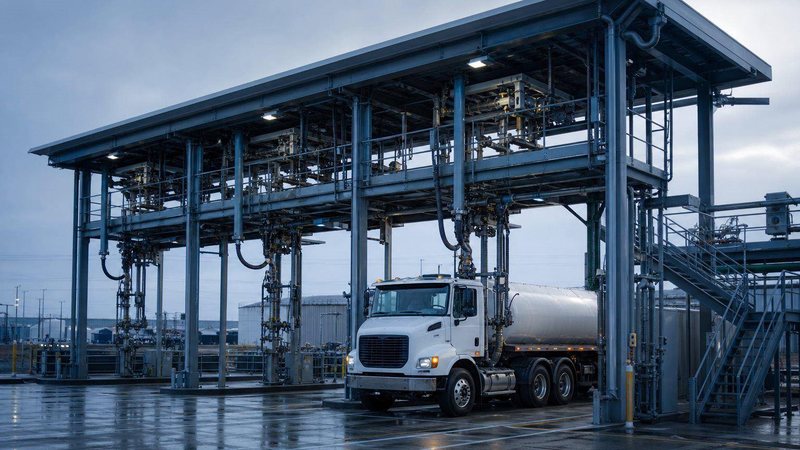
Tank Truck Transport
Cargo tank trucks and ISO tanks for rack loading, last-mile delivery and transload moves.
Read more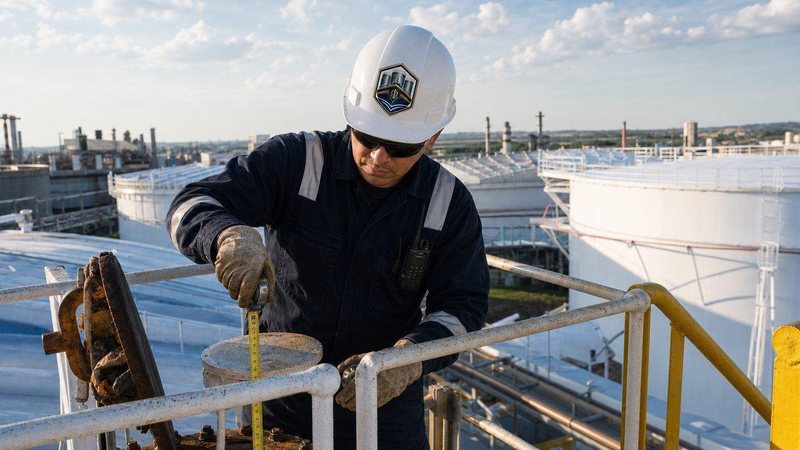
Health, Safety, Security & Environment
Process safety, permit-to-work, overfill prevention, tank inspection, emergency response and contractors.
Read moreStoring paving or industrial bitumen?
Send the grade, volumes, delivery mode and season. We will set out tankage, temperatures and heating cost.