


Strategic and Compulsory Stocks
Emergency stocks sit still for years and must still move on short notice. We structure long-term storage, rotation and verifiable stock records for reserve holders and obligated companies.
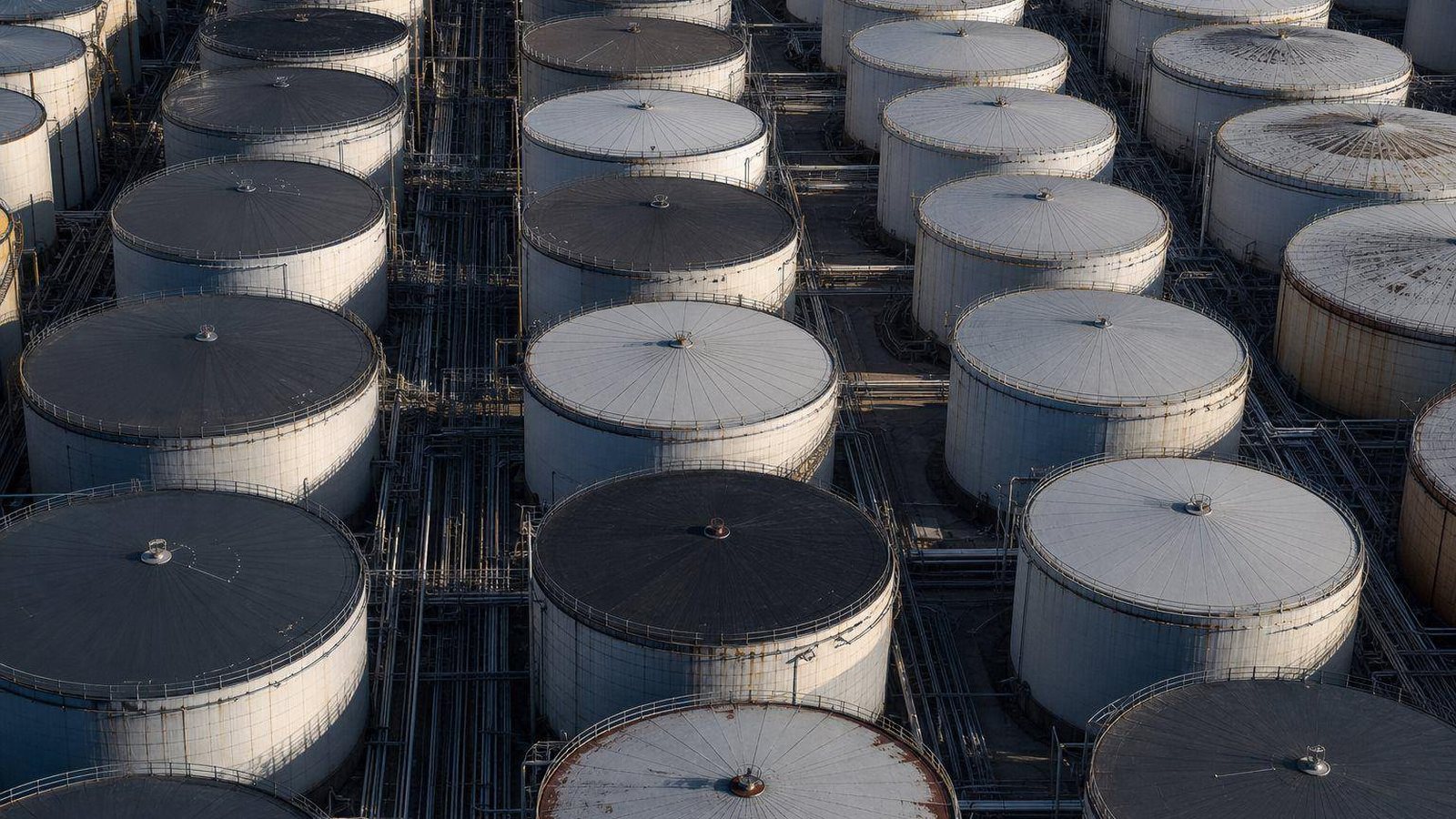
Most stored oil is waiting to be sold. Emergency stocks are waiting not to be needed. Governments, stockholding agencies and obligated companies hold crude and products against supply disruption, and the logic differs from every other kind of storage: the volume must stay constant for years, stay fit for use, and be releasable quickly and verifiably when the order comes.
We structure storage for reserve holders around those three tests. Long-term contracts with defined condition monitoring keep stock fit. Rotation plans replace aging product without breaking the obligation. Stock records are built for audit, so the holder can prove at any moment that the barrels exist, where they are and who owns them.
Who holds emergency stocks
Reserve systems vary by country. Some governments own and store stocks directly. Many use a central stockholding entity, an agency that owns stocks or contracts for them on the state's behalf. Others place the obligation on industry, requiring importers, refiners or distributors to hold a set number of days of supply. Many systems combine these approaches, and any of them can use third-party tankage.
Owned stocks and tickets
Not every emergency barrel is owned by the party that counts it. Under a ticket arrangement, the holder pays a fee for the right to buy a defined volume held by another company in an emergency. The barrels stay in the seller's ownership until the option is exercised. Ticketed stocks must still be physically present, identifiable and free of competing claims, and that is where storage records matter.
| Arrangement | Who owns the oil | What the stock record must show |
|---|---|---|
| Agency or government stock | The agency or the state | Volume, grade, tank and ownership at all times |
| Industry compulsory stock | The obligated company | Stock held against the obligation, apart from working stock |
| Ticket (reserved stock option) | The ticket seller, until exercised | Volume reserved for the ticket holder and not pledged elsewhere |
| Cross-border ticket | The ticket seller, in another country | All of the above, plus the approvals both governments require |
Long-term storage that stays fit for use
Stored oil does not stay the same forever. Gasoline loses light ends and forms gums as it oxidizes. Diesel and heating oil oxidize, collect water and can support microbial growth. Crude settles sludge and wax that reduce usable capacity. Each grade gets a condition-monitoring plan: sampling at set intervals, tests chosen for its known failure modes, and recorded water draining.
Tank integrity matters as much over ten years as over ten days. Tanks in long-term service are inspected under API 653 and protected against overfill under API 2350. Inspection outages are planned with the holder, so a tank can be emptied for internal inspection without breaching the obligation.
- Sampling and testing at intervals set for each grade
- Water bottoms drained and recorded
- Mixing or circulation for crude to limit sludge build-up
- Inspection outages planned with the reserve holder
Rotation without breaking the obligation
Rotation replaces aging stock with fresh product while the obligated volume stays in place. It can be done by selling old product and buying new, by exchanging with a commercial holder, or by drawing down one tank while another is refilled. The sequence is planned so the reserve does not fall below the obligated level unless the holder authorizes it.
Drawdown on short notice
Reserves are only useful if they can be released. A drawdown plan sets out which tanks release first, by which modes, at what loading rates, and who authorizes each step. We review the plan with the holder at agreed intervals and confirm that the berth, rail and truck capacity it assumes is still available.
How it works
- 1Condition review
Test results show which stock is due for rotation.
- 2Plan and approval
Sequence, volumes and any temporary shortfall approved by the holder.
- 3Exchange
Fresh product received and aged product released, each measured at custody transfer.
- 4Confirmation
Updated stock statement issued and checked by an independent inspector.
Frequently asked questions
How do you prove the stock is there?
Through measured stock records, independent inspection and audit access. Each tank is gauged and reported on the agreed schedule. Agencies and ticket holders can appoint an inspector to verify volume and quality, and auditors can examine the records behind every statement.
Can ticketed stock be used commercially?
No. Stock reserved under a ticket must be held for the ticket holder and not sold, pledged or counted elsewhere during the ticket period. We record ticketed volumes separately from the owner's working stock, so the distinction shows in every statement.
How long can products be stored?
It depends on the product, the tank and the monitoring results rather than on a fixed shelf life. Crude stores well for long periods with sludge management. Gasoline and diesel need closer monitoring and earlier rotation. The rotation trigger is set from test limits agreed with the holder.
Can emergency stock be released faster than a normal lifting?
The physical limits are the same: pump rates, berth availability and transport capacity. What changes is preparation. A drawdown plan agreed in advance fixes the priorities and the authorizations, so a release does not wait on negotiation during the event.
Related
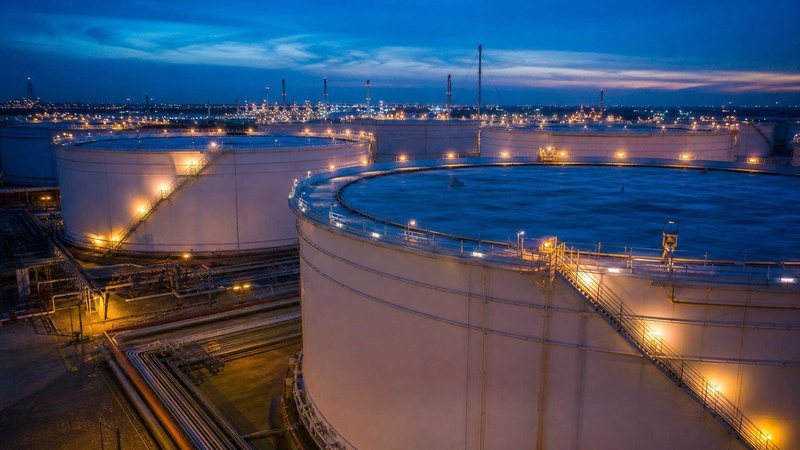
Crude Oil Storage
Floating-roof tankage, grade segregation, H2S control and blending to refinery spec.
Read more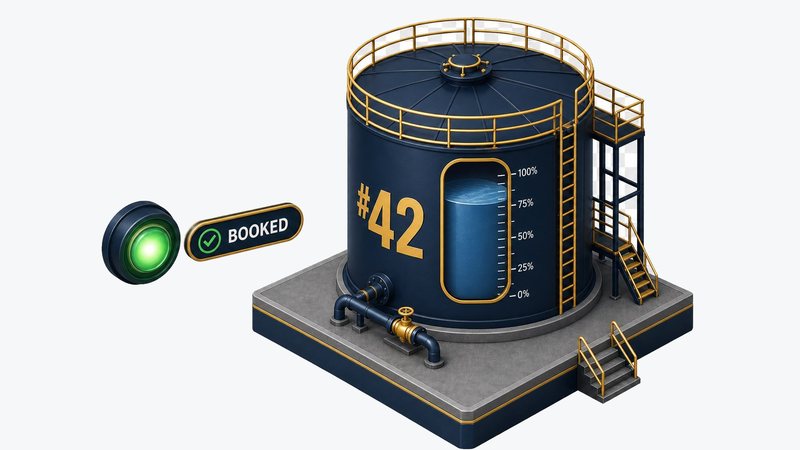
Tank-Farm Availability
Which tanks are free, reserved or booked, with days and price, and each tank farm on a map.
Read more
Tank Gauging: Reading the Numbers
Innage, ullage, ATG and manual gauges, and a worked opening and closing gauge report.
Read more
US Regulatory Framework
PHMSA, EPA, Coast Guard, OSHA, FMC and OFAC: the US rules behind our terminal and freight work.
Read moreStructure a reserve
Tell us the products, volumes, contract period and reporting requirements. We will propose storage, rotation and reporting arrangements.