


Sustainability at the Terminal
The cleanest barrel is the one that stays in the tank and the pipe. We focus on what a terminal controls directly: vapor, leaks, energy for heating and pumping, and renewable-fuel records.
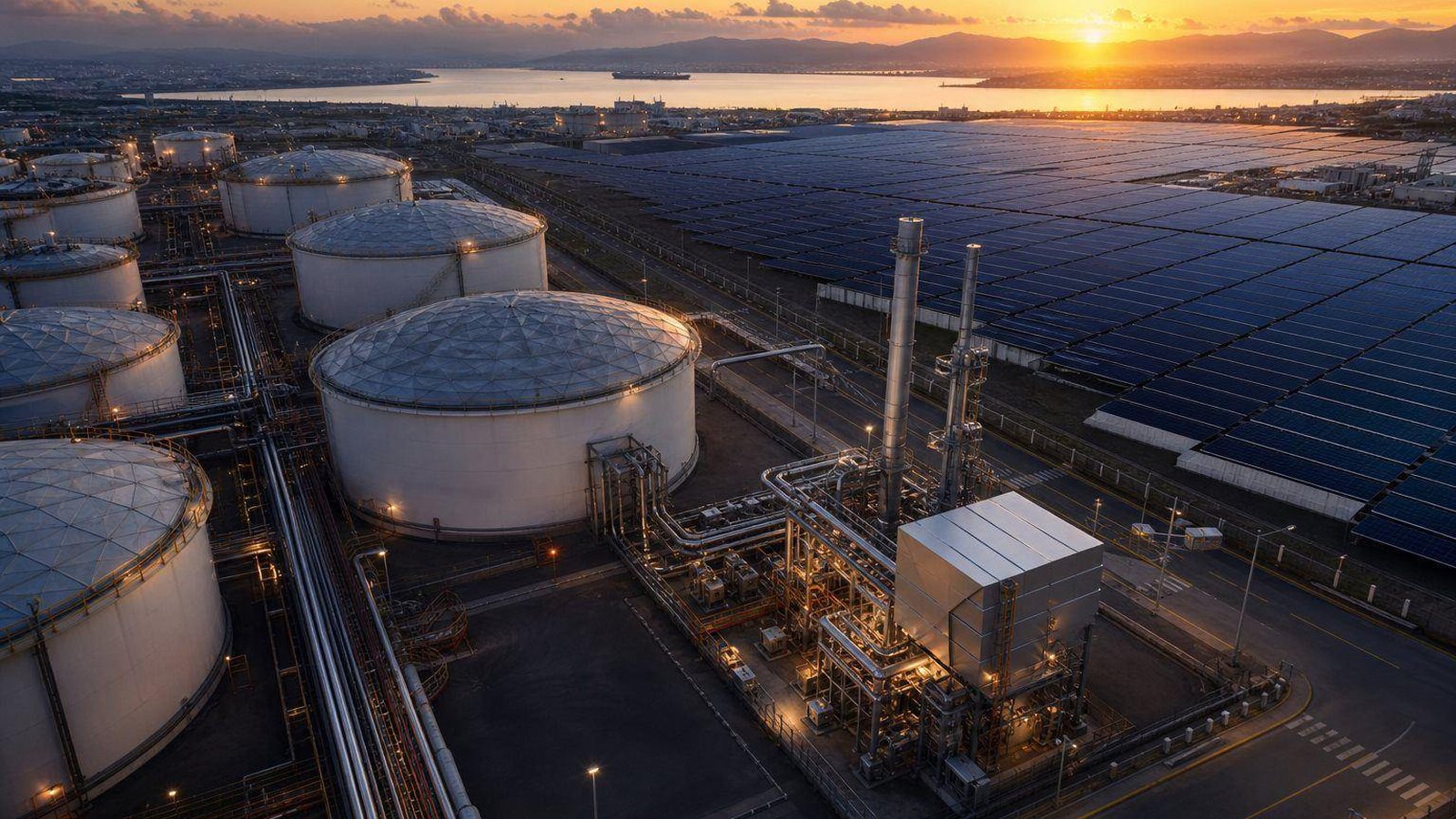
A storage terminal's environmental footprint is decided by a handful of things: how much vapor escapes from tanks and loading, whether product leaks from floors, seals and flanges, how much energy goes into heating and pumping, and whether renewable product keeps its identity and paperwork through storage. Those are the things we work on, because they are the things a terminal controls.
We do not publish emissions targets or percentages we cannot evidence. This page describes the controls we use and how we apply them. Where a customer needs data for its own reporting, such as heating energy for a campaign or vapor-control records for a tank, we provide it from the site record and say how it was measured.
Vapor control
Volatile products such as gasoline, light crude and some chemicals are stored in tanks with internal or external floating roofs, which ride on the liquid and shrink the vapor space where emissions form. Rim seals, deck fittings and guidepoles are where a floating roof loses its effect, so that is where inspections concentrate.
Vapor displaced during loading is routed to vapor recovery or vapor combustion units where the operation and the air permit call for it. At marine docks, vapor collection follows the Coast Guard's marine vapor control rules in 33 CFR 154. At truck racks handling gasoline, loading is limited to tank trucks with current vapor-tightness documentation.
- Floating-roof seals and fittings inspected at the intervals the air permit sets
- Vapor balancing between tank and vessel or truck where the system allows
- Run logs kept for vapor recovery and combustion units
- Tank cleaning and degassing planned to limit vented vapor
Leak detection and containment
Leaks are found by looking for them systematically. Operators walk tank dikes, manifolds and docks every shift. Where a leak detection and repair (LDAR) program applies, component surveys use EPA Method 21 instruments or optical gas imaging cameras, and found leaks are tagged, repaired and re-checked within the time the program allows.
Below the tank, release prevention barriers, cathodic protection and API 653 floor inspections address the leak no one can see. Secondary containment is sized and maintained under the EPA SPCC rule, and rainwater is drained from diked areas only after inspection, with each drainage recorded as 40 CFR 112.8 requires.
Energy for heating and pumping
Heated products such as bitumen, heavy fuel oil and some vegetable oils use most of a terminal's energy. We hold them at the lowest temperature that keeps them pumpable and on specification, insulate heated tanks and lines, and maintain heating coils and steam traps so the energy goes into the product rather than the ground.
Pumps are matched to the transfer, with variable-speed drives specified where flow rates vary. We plan transfers to avoid needless recirculation and reheating, and we manage lighting and building loads like any other operating cost. Customers who need heating or power data for a tank or campaign can request it.
Handling renewable fuels
Renewable diesel, biodiesel, ethanol, sustainable aviation fuel (SAF) and their feedstocks each bring their own handling rules. Biodiesel, or FAME (fatty acid methyl ester), clouds at higher temperatures than diesel and must be kept out of jet fuel systems, so it needs heat and strict segregation. Ethanol absorbs water and is kept dry. SAF blending components meet ASTM D7566, and a certified blend is then handled as jet fuel under ASTM D1655.
The paperwork matters as much as the product. We keep renewable stock segregated or mass-balanced as the customer's scheme requires, and keep sustainability declarations, Renewable Fuel Standard records and product transfer documents with it, so a downstream claim can be traced to the tank. Where a scheme such as ISCC needs the storage site inside a certified scope, we confirm that position before nomination.
What we do not claim
We do not offer carbon-neutral storage, offsets or emissions percentages on this website. A claim like that needs a boundary, a baseline and independent verification, and a terminal's footprint changes with every product mix. If you need a figure for your own disclosure, ask for the underlying records and we will tell you what they can and cannot support.
Frequently asked questions
Can you provide emissions or energy data for our stored product?
Yes, from the site record. Depending on the tank and the service, that can include heating energy, vapor-control operating logs and throughput. We tell you how each figure was measured or estimated so you can use it correctly in your own reporting.
Do you store product moving under ISCC or the Renewable Fuel Standard?
We store renewable product for customers who operate under schemes such as ISCC and the US Renewable Fuel Standard. We keep the product and its documents segregated or mass-balanced as the scheme requires, and confirm before nomination whether the site falls within the scope your scheme needs.
How do you keep FAME out of jet fuel?
By segregation. Jet fuel moves through tanks and lines that do not handle biodiesel, or that are flushed and tested before any change of service. Receipts are sampled, and documents follow the aviation fuel quality requirements the buyer specifies.
Related
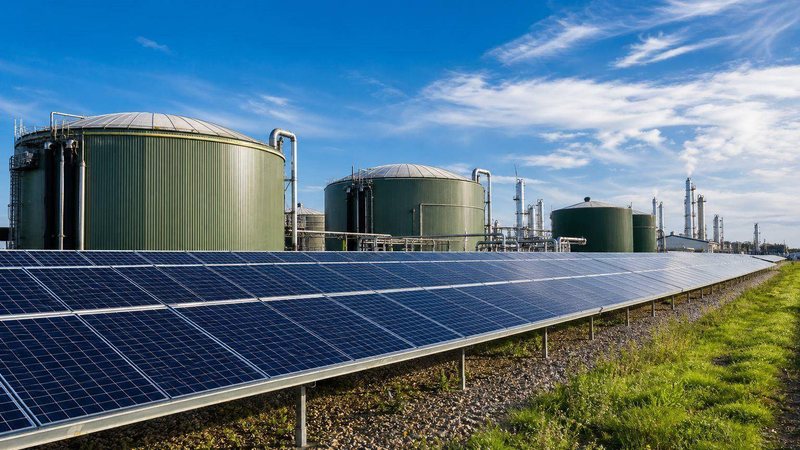
Renewables & Biofuels Storage
Ethanol, FAME, renewable diesel and SAF stored dry and warm, with records for ISCC and RINs.
Read more
Biofuel and Renewable Fuel Producers
Renewable feedstocks and biofuels stored and moved with chain-of-custody records kept to audit standard.
Read more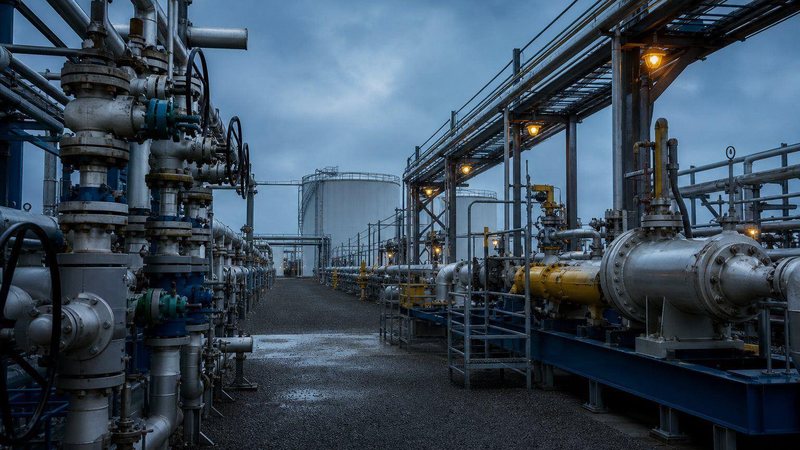
Tank & Line Heating
Steam, thermal oil and heat tracing for viscous products, with logged temperatures and clear pricing.
Read more
Health, Safety, Security & Environment
Process safety, permit-to-work, overfill prevention, tank inspection, emergency response and contractors.
Read moreStoring renewables or heated product?
Tell us the product, scheme and handling needs, and we will set out how the tankage and records would work.