


Caribbean
Deepwater terminals between the Atlantic Basin's producers and consumers. We arrange storage, transshipment, relay freight and inspection, and plan around hurricane season.
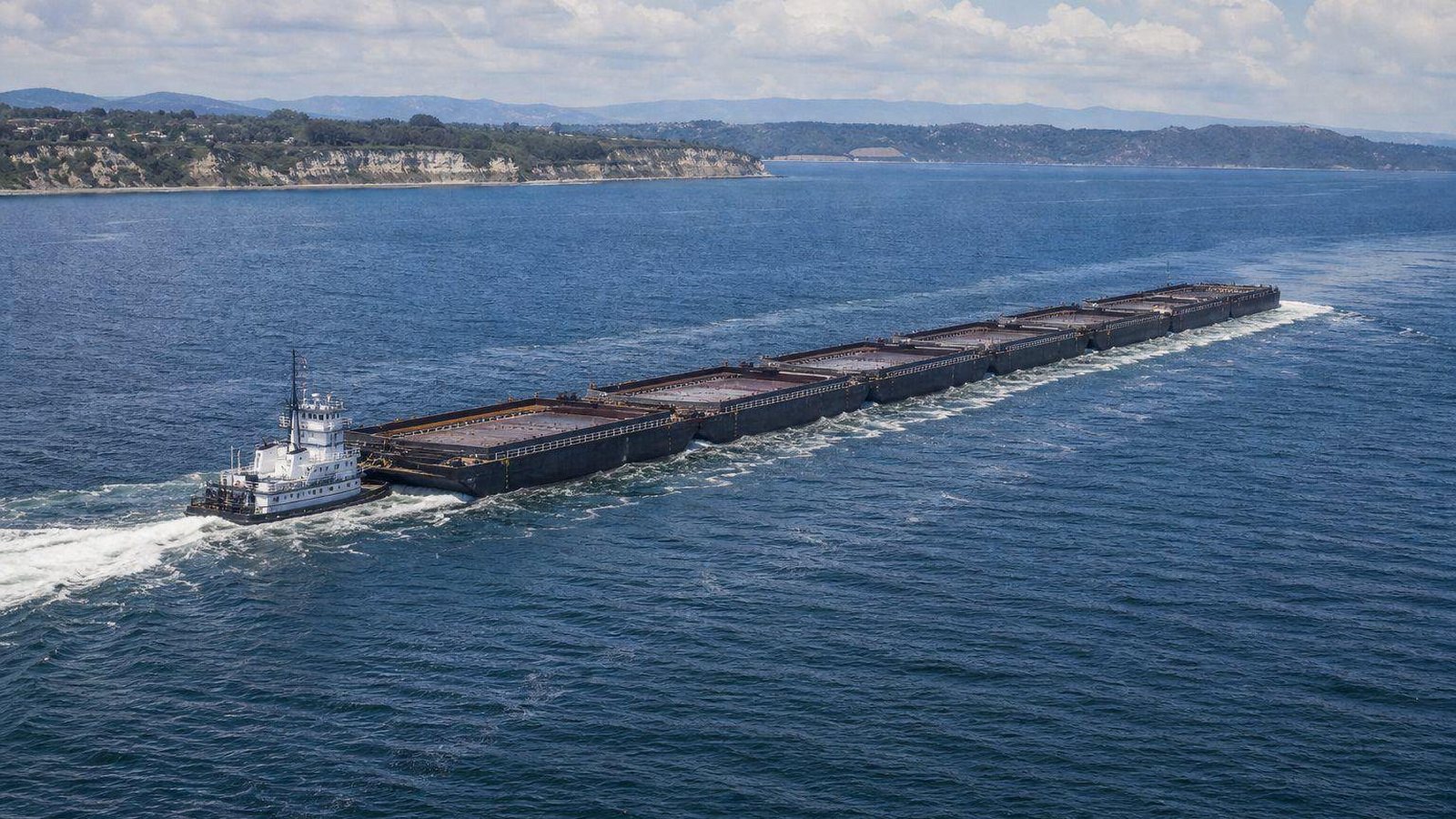
The Caribbean sits between the crude and product exporters of the Atlantic Basin and the refineries and fuel markets of North, Central and South America. Several islands and coastal states offer something those markets often lack: deep water close to the shipping lanes, with tank capacity behind it. That makes the region a place to transship, store and relay cargoes rather than a large consumer in its own right.
The region is also a market of many small islands, each importing its own gasoline, diesel, jet and fuel oil in small parcels. Parcels are small, berths are shallow and lead times are long, so planning matters as much as price. We arrange third-party storage, relay and island-supply freight, inspection at every transfer and tracking across both kinds of trade.
How transshipment works here
Many US Gulf and East Coast ports cannot take a fully laden VLCC, while long-haul voyages are cheapest in the largest ship that can make them. Caribbean deepwater terminals bridge that gap. A VLCC discharges into storage and the cargo is relayed onward in Aframaxes or smaller tankers sized to the destination port. The same logic runs in reverse, gathering several smaller parcels into one large export cargo.
Storage between the two legs also buys time. A trader can hold a cargo for a better market, blend it to a buyer's specification or split it among several receivers. Every transfer is a custody event, so each one is measured and reported.
Where the activity is
Caribbean storage is spread across many jurisdictions, each with its own customs regime, port rules and environmental requirements. Draft, tank size and heating capability also differ widely from one terminal to the next. The table lists the main locations and the role each typically plays in the trade.
| Location | Typical role |
|---|---|
| The Bahamas (Grand Bahama) | Deepwater storage and VLCC transshipment close to the US coast |
| St. Eustatius | Storage, transshipment and bunkering in the Leeward Islands |
| Aruba and Curacao | Storage, blending and bunkering off the Venezuelan coast |
| Panama | Canal bunkering at Balboa and Cristobal; crude pipeline across the isthmus |
| Puerto Rico | Product imports under Jones Act rules for US-origin cargo |
| Smaller island markets | Product imports in small parcels for power, transport and aviation |
What we arrange in the Caribbean
We match the transshipment point to the ship sizes at both ends and to the customs status the cargo needs. We source third-party tank capacity, fix the long-haul and relay legs, plan any blending, and appoint independent inspectors for each discharge, storage period and reload. One tracking number follows the cargo through every leg.
- Storage sourcing at deepwater transshipment terminals
- VLCC, Aframax and MR freight for long-haul and relay legs
- Small-parcel product supply to island markets
- Independent inspection at every discharge and reload
- Loss control across multiple custody transfers
Rules that shape a Caribbean movement
Ships calling at Puerto Rico and the US Virgin Islands operate inside the US Caribbean Sea Emission Control Area, where marine fuel sulfur is limited to 0.10 percent. Cargo moving between a US mainland port and Puerto Rico falls under the Jones Act and needs a qualified US vessel, while the US Virgin Islands are exempt. Elsewhere, each island state sets its own port and customs rules.
Frequently asked questions
Why relay a cargo through the Caribbean instead of shipping direct?
Because the largest economic ship often cannot enter the destination port. Discharging a VLCC into Caribbean storage and relaying in smaller tankers can cost less than shipping the whole cargo in small ships from the start.
Do transshipment losses add up?
They can. Each discharge and reload adds measurement uncertainty and some real loss, such as clingage and vapor. We record each transfer against the same tracking number so any loss is traced to the leg where it happened.
Can you supply small island markets?
Yes. We arrange product parcels on small tankers sized to island berths and storage, with inspection at loading and discharge. Lead times depend on available tonnage and local port rules.
Does the Jones Act affect a cargo to Puerto Rico?
If the cargo moves from a US port to Puerto Rico, it needs a Jones Act qualified vessel. Cargo from a foreign port can arrive on any flag. The US Virgin Islands are exempt from the Jones Act.
Related
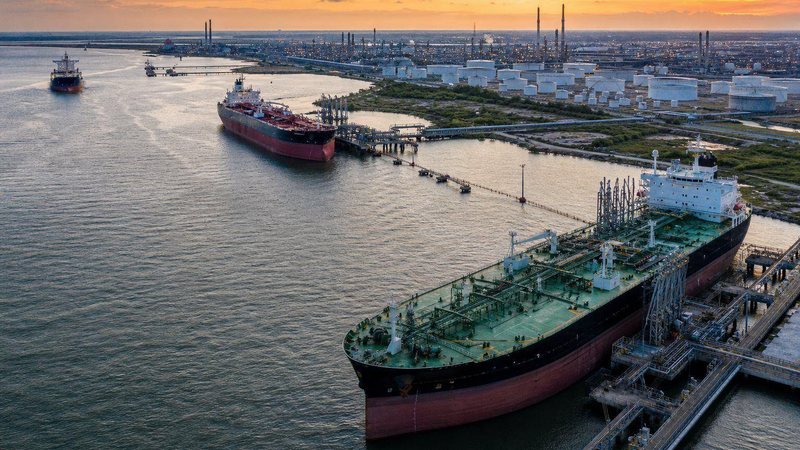
US Gulf Coast
Houston, Corpus Christi, LOOP and St. James: storage, freight and inspection we arrange on the Gulf.
Read more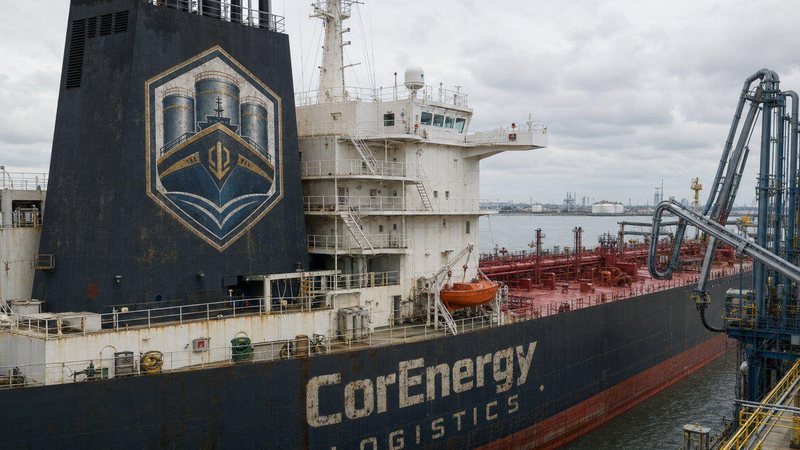
Tanker and Conveyance Sizes
MR to VLCC, barges, ATBs, rail cars and trucks: typical sizes and what they carry.
Read more
Chartering Desk
Voyage, time charter and COA fixtures, Worldscale freight, laytime and demurrage handled end to end.
Read more
Throughput Agreements
Throughput fees, take-or-pay, excess throughput and the nomination cycle explained.
Read moreRoute a cargo through the Caribbean
Tell us the origin, destination ports, product and quantity. We will compare direct and relay options with storage and freight.