


Offtakers and Distributors
Wholesale buyers, jobbers and regional distributors need product in parcels they can sell: a truckload at the rack, a few rail cars, a part barge. We make small liftings routine.
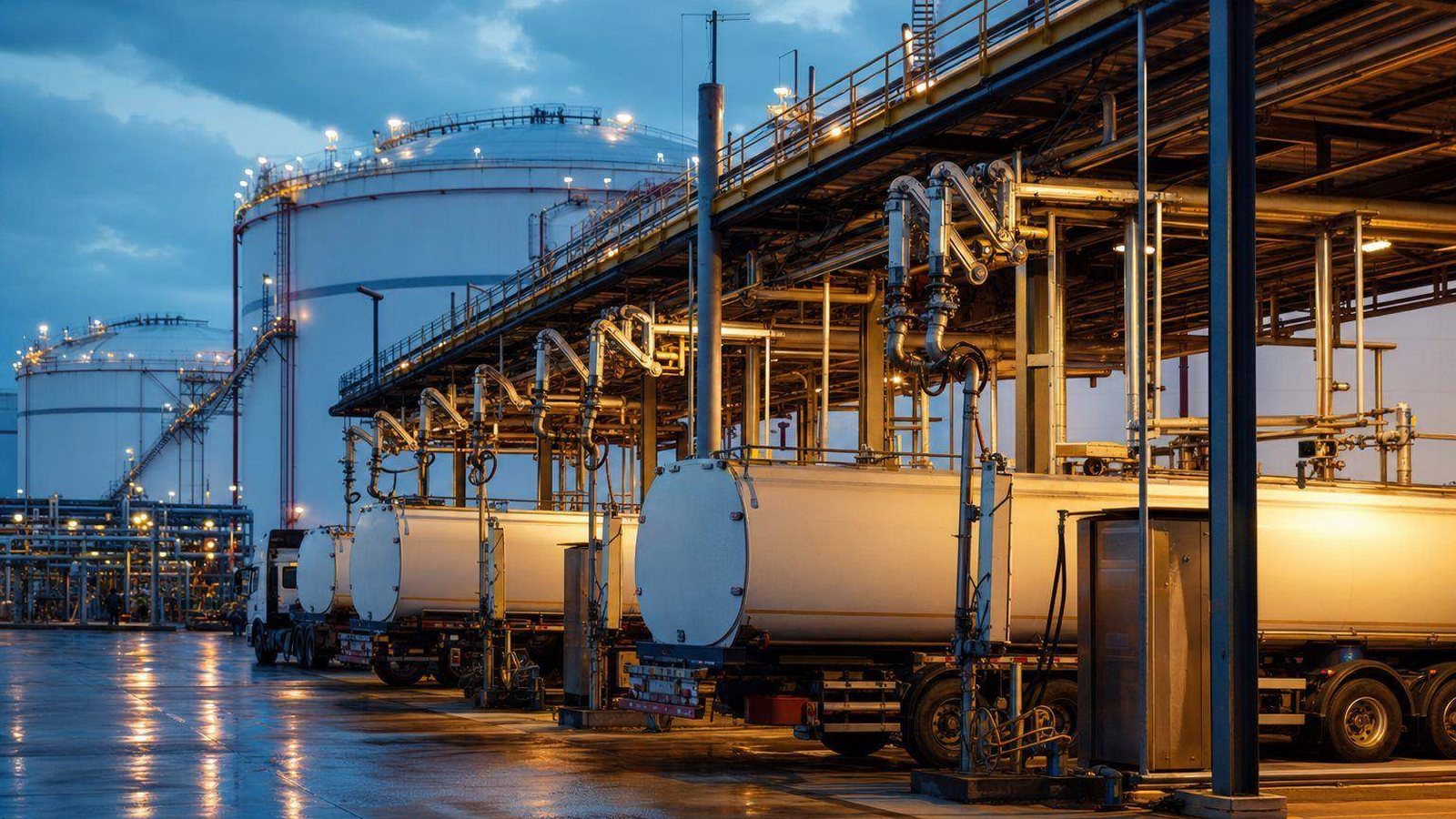
An offtaker buys product at the terminal and sells it on, to retail stations, farms, fleets, contractors and heating oil customers. Margins are thin and volume is steady, so what matters is access. Can my trucks load when they arrive? Is my allocation there? Does the bill of lading match what went into each compartment? A distributor loses customers when the answer is no, however good the price.
We run lifting the way a distributor runs a fleet: by the day, by the load and by the gallon. Product held in tankage we own or lease is allocated to verified buyers and lifted at the rack, into rail cars or into barges in the parcel sizes each buyer needs. Every lifting is measured, ticketed and visible to the buyer in our portal.
Lifting at the rack
Most distributors lift by truck. A driver is identified at the gate and at the rack, then bottom-loads the trailer compartment by compartment. Bottom loading and vapor recovery on cargo tank trucks follow API RP 1004, and gasoline racks operate under federal vapor control rules such as 40 CFR Part 60 Subpart XX. The rack meter records gross gallons, and the terminal system corrects them to net gallons at 60 °F.
The bill of lading prints at the end of the load. It shows product, compartment volumes, gross and net gallons, and any additive or dye injected. Off-road diesel is dyed red with Solvent Red 164, as federal excise tax rules require for untaxed use, and ethanol is blended in line where the product calls for it.
- Driver and carrier credentials checked before loading
- Compartment presets and overfill protection on every load
- Additive, dye and ethanol injected at the rack
- Bill of lading printed with gross and net gallons
Choosing a lifting mode
The right mode depends on distance, volume and how your customers receive product. Trucks suit local delivery and daily demand. Rail suits inland markets that a pipeline does not reach. Barges suit river and coastal terminals. We arrange all of them from the same tankage, so you can change mode as the season changes without changing supplier.
| Mode | Typical parcel | Suits |
|---|---|---|
| Truck rack | 7,000 to 9,000 gal a load, set by product density and weight limits | Daily local delivery to retail and commercial accounts |
| Rail, single cars | About 30,000 gal per tank car | Inland distributors with a rail siding |
| Rail, blocks of cars | Several cars moving together | Regular regional supply at lower cost per gallon |
| Inland barge | About 10,000 bbl per standard barge | River and coastal terminals |
| Part barge or in-tank transfer | Any agreed volume | Sharing a larger parcel with other buyers |
Allocations and lifting entitlement
A distributor lifts against an allocation: the volume it has bought or is entitled to over the day or month. KYC-verified buyers see their allocation, liftings and remaining balance in the Buyer / Receipt-Holder Portal, down to the product and the tank it sits in. Credit limits, payment terms under a signed contract or a letter of credit set how much can be lifted before the next payment.
Small parcels, handled properly
Small parcels carry the same quality risk as large ones, and more paperwork per gallon. We keep grades segregated through the rack, record every lifting against its source tank, and reconcile your account daily. When several buyers share a barge or a tank, in-tank transfers move title without moving product, and each buyer sees only its own share.
How it works
- 1KYC and account
Your company and signatories are verified and a lifting account is opened.
- 2Carriers and drivers
Carriers and drivers are registered and their credentials checked.
- 3Products and additives
Grades, additive packages and dye requirements set on your account.
- 4First lift
Load, bill of lading and allocation update, visible in the portal.
Frequently asked questions
Are your bills of lading in gross or net gallons?
Both. The rack meter records gross gallons at the observed temperature, and the system corrects them to net gallons at 60 °F using API MPMS temperature correction. Which figure you are invoiced on depends on your contract, and state tax reporting may use either.
Can you inject our own additive package?
Usually, where an injector is available for the additive and it is compatible with the product. We record the additive and its treat rate on each bill of lading, so you can show what went into every load you deliver.
Can I lift a single rail car?
Yes, if you or your consignee has a siding that can receive it and the product is approved for the car type. Flammable liquids such as gasoline and ethanol move in tank cars that meet current DOT specifications, including the DOT-117 design.
What if my truck arrives outside its loading window?
We load it if the rack has capacity and your allocation allows. At peak hours, scheduled loads go first. Tell us about recurring timing changes and we will move your window rather than leave drivers waiting.
Related
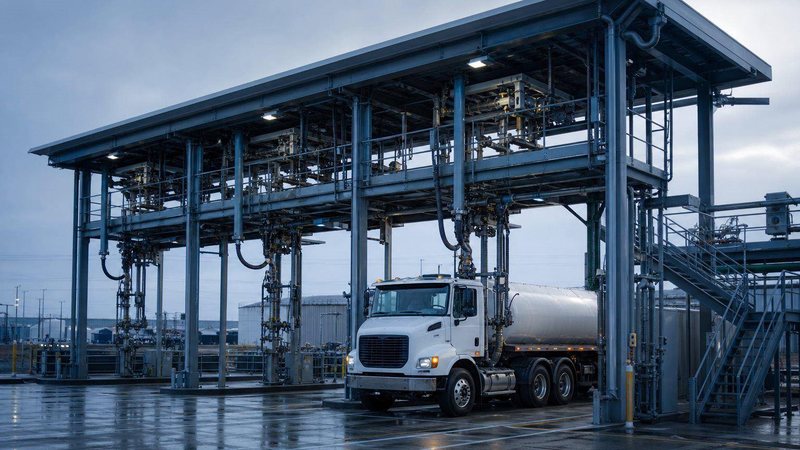
Tank Truck Transport
Cargo tank trucks and ISO tanks for rack loading, last-mile delivery and transload moves.
Read more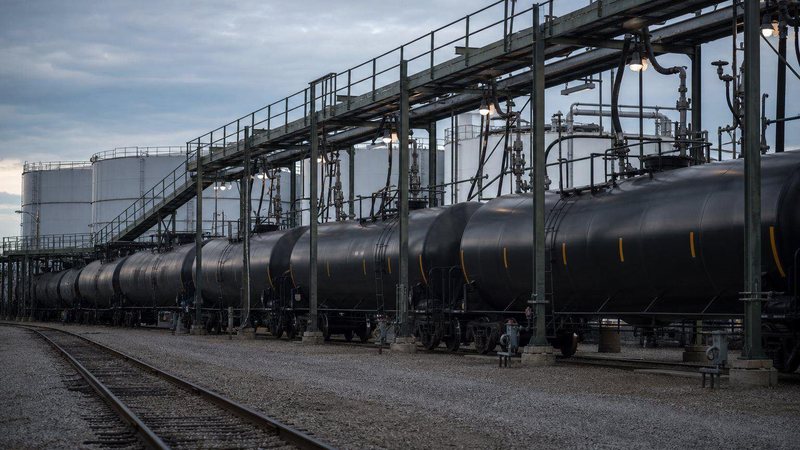
Rail Tank Car Transport
DOT-117 tank cars, unit trains, manifest service and transloading for crude, products and renewables.
Read more
Buyer / Receipt-Holder Portal
KYC-verified buyers see grade, quantity, tank, status and documents for the product they hold.
Read more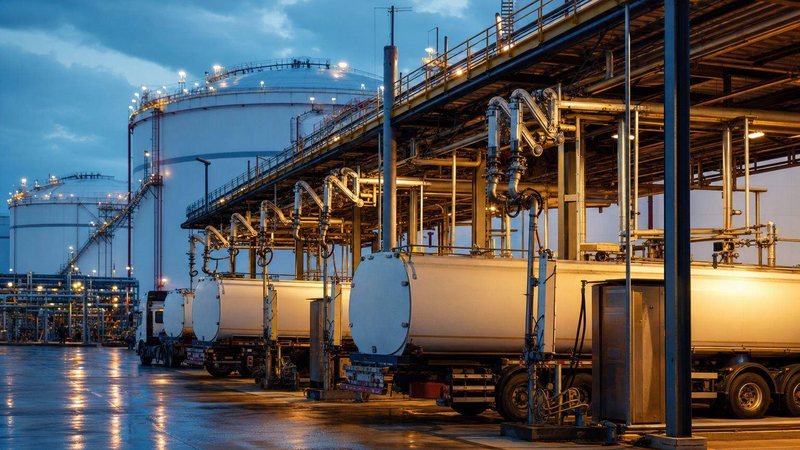
Refined Products Storage
Gasoline blendstocks, ULSD and jet fuel on segregated systems, with dye and additive injection.
Read moreOpen a lifting account
Tell us the products, monthly volume and lifting mode. We will start verification and set up your carriers.