


Vegetable Oil Storage
Edible oils are food. We hold them in clean tankage, track every previous cargo and heat them gently, the way the sale contract and the buyer expect.
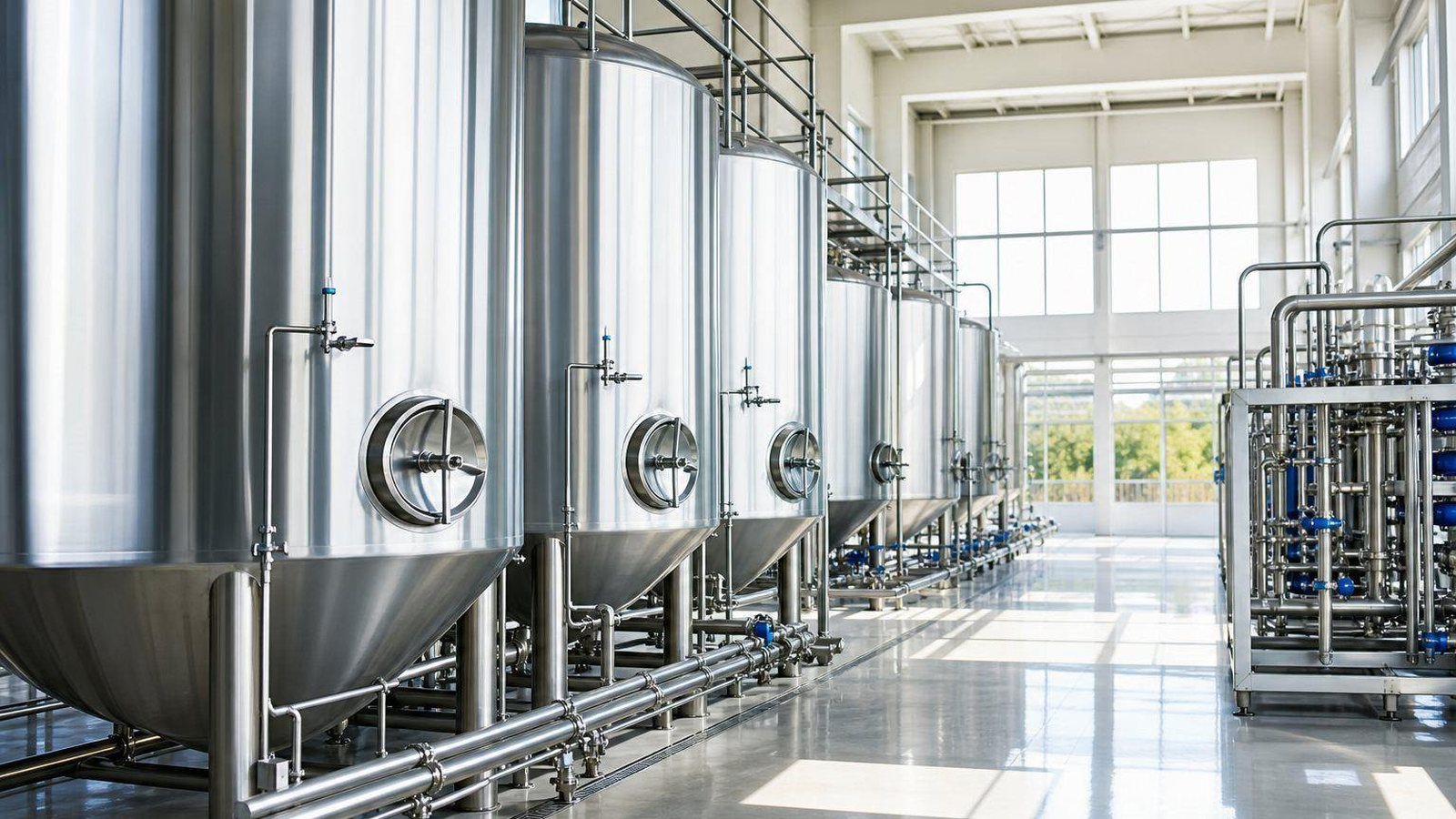
Vegetable oils move in bulk under trade contracts that treat them as food, even when the end use is biodiesel. The buyer wants to know what was in the tank before, how it was cleaned and how hot the oil was kept. Free fatty acids, peroxide value and color all move the wrong way with poor handling, and none of that damage can be reversed in a shore tank.
We store crude and refined vegetable oils in clean tanks with stainless steel or approved heating coils, keep a previous-cargo record for every tank and line, and heat only as much as the oil needs. Sampling and inspection follow the contract, which is usually written on FOSFA or NIOP terms, and either party can appoint an independent inspector.
Previous cargoes and cleaning
Food-grade storage starts with history. Previous-cargo rules in FOSFA contracts and the EU acceptable-previous-cargo lists were written mainly for ships, but buyers apply the same logic to shore tanks: the immediate previous cargo must be acceptable, banned cargoes must not appear in the recent history and cleaning must be documented. We keep that record for every tank, line and hose.
Heating within limits
Oils that are semi-solid at ambient temperature, such as palm oil, palm stearin and coconut oil, need heat before they can be pumped. Overheating is the bigger risk: it raises free fatty acids, speeds oxidation and darkens color. We raise temperature gradually, keep coil surfaces cool with low-pressure steam or hot water, and log tank temperatures at least daily.
FOSFA publishes carrying and discharge temperature ranges for each oil, and contracts usually refer to them. Liquid oils such as soybean, sunflower and rapeseed oil normally need no heat in a shore tank except in severe cold. The table gives typical approaches; the contract heating instructions always take precedence.
| Oil | State at mild ambient temperature | Heating approach |
|---|---|---|
| Crude palm oil | Semi-solid | Held warm; raised gradually to about 50-55 °C for discharge |
| Palm olein | Liquid; clouds in cool weather | Light heat to keep it clear and pumpable |
| Palm stearin | Solid | Higher temperatures needed to melt and pump |
| Coconut and palm kernel oil | Solid below about 25 °C | Moderate heat |
| Soybean, sunflower, rapeseed | Liquid | Normally no heat |
Materials that touch the oil
Tank coatings must be suitable for food contact or for the specific oil, and coating condition is checked before each receipt. For refined oils and long holds, a nitrogen blanket slows oxidation where the buyer asks for it. Hoses and pumps in edible service are kept for edible service, and anything that has handled used cooking oil or animal fat is kept apart.
Quality parameters and food rules
Buyers judge vegetable oil on a short list of numbers that storage can change. We sample on receipt and before delivery so any change can be traced to a date and a tank. In the US, FDA food-safety rules under the Food Safety Modernization Act, including the sanitary transportation requirements, frame how edible oil is held and moved.
- Free fatty acids (FFA): rise with heat, water and time
- Moisture and impurities (M&I): water speeds hydrolysis
- Peroxide value: an early marker of oxidation
- DOBI for crude palm oil: bleachability, damaged by overheating
- Color: darkens with overheating and age
How it works
- 1Tank history
Confirm the last cargoes and the cleaning record meet the contract and the buyer's list.
- 2Pre-receipt inspection
Inspect tank, coils and lines; the buyer's inspector can attend and report on cleanliness.
- 3Receipt and sampling
Receive through clean lines and sample for FFA, moisture and impurities and other contract parameters.
- 4Controlled heating
Hold the oil at the temperature it needs, raising it gradually before discharge.
- 5Delivery
Gauge, sample and release against the contract, with seals and documents recorded.
Frequently asked questions
Can a tank that held fuel be used for vegetable oil?
It depends on the fuel, the cleaning and the buyer. Many previous cargoes are banned outright, and edible-oil buyers often refuse tanks with any fuel history. We check the contract and the buyer's list first and prefer tanks with a clean edible-oil history.
Do you keep food and technical oils in the same tanks?
No. Oil bought as biodiesel feedstock often trades on the same contracts as edible oil, but a tank that has held used cooking oil, animal fat or other non-food material may not return to edible service. We keep the two services apart unless the owner instructs otherwise.
Who appoints the inspector?
The contract decides. Commonly the buyer, the seller or both appoint an independent inspection company to witness tank inspection, gauging and sampling. We give the inspector access, tank tables and our records, and keep retained samples.
How often do you check temperature?
At least daily for heated oils, and more often while raising temperature before discharge. Readings are logged with time and tank, so the heating record can be shown to the buyer if quality is questioned.
Related
Tank & Line Heating
Steam, thermal oil and heat tracing for viscous products, with logged temperatures and clear pricing.
Read more
Renewables & Biofuels Storage
Ethanol, FAME, renewable diesel and SAF stored dry and warm, with records for ISCC and RINs.
Read more
Marine Tanker Freight
Tanker size classes, SIRE 2.0 vetting and Jones Act rules, matched to your parcel and both berths.
Read more
Quality & Measurement Standards
API MPMS, API 650/653/2350, ASTM test methods, ISO 8217:2024 and independent inspection.
Read moreStoring edible or technical oils?
Send the oil, the contract basis and the volumes. We will confirm tank history, heating and inspection arrangements.