


Pipeline Shipments
Pipelines move steady volumes at a low cost per barrel once a shipper holds space. We align nominations, line fill, batch receipts and metered custody transfer with the tanks at each end.
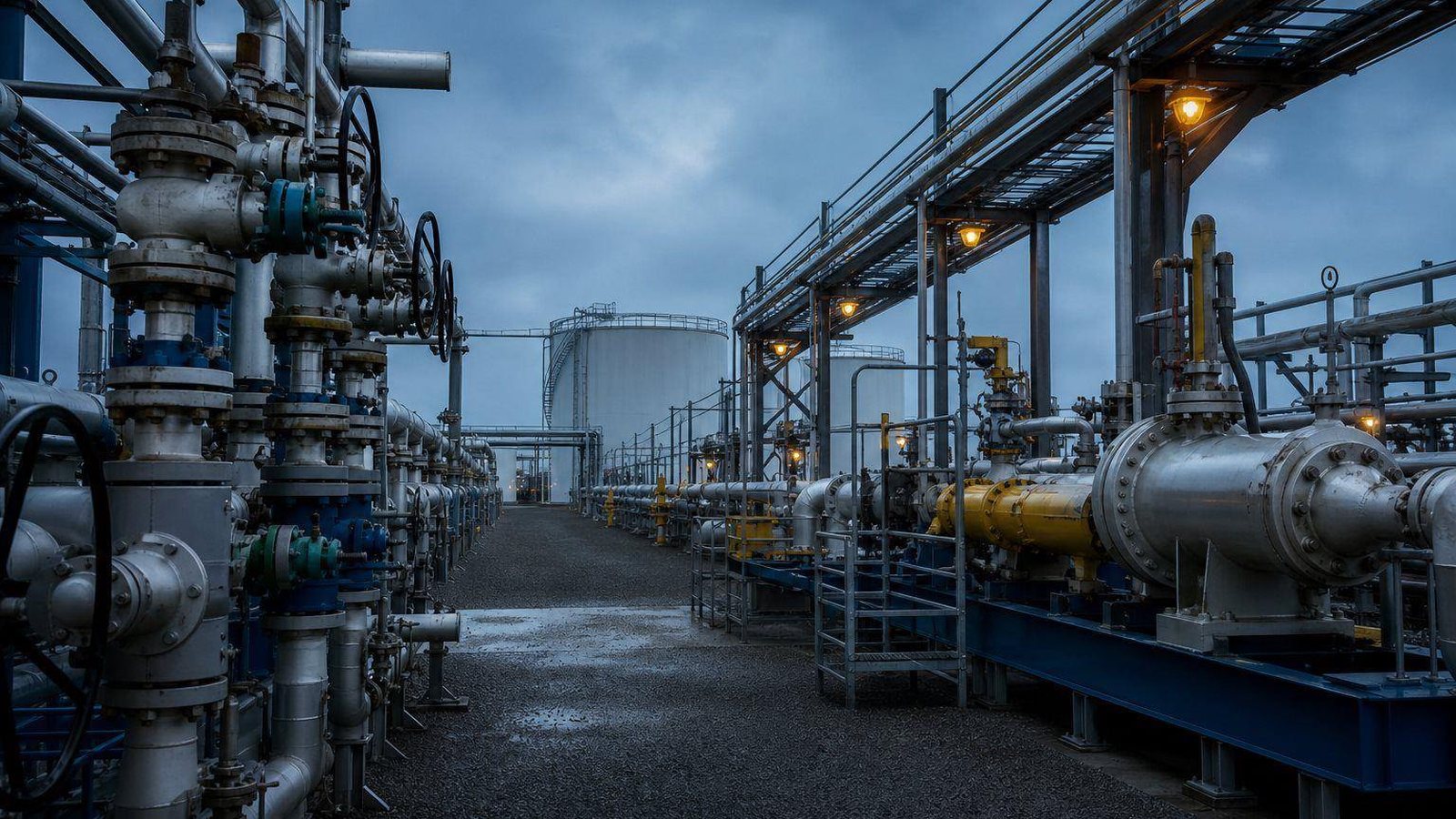
A common-carrier pipeline sells transportation, not product. Any shipper who meets the tariff terms can ship, and the carrier must treat shippers alike. Interstate oil and product pipelines file their rates and rules with the Federal Energy Regulatory Commission under the Interstate Commerce Act; intrastate lines answer to state regulators. Pipeline safety sits with PHMSA under 49 CFR Part 195 for hazardous liquids.
For a terminal customer, the pipeline is usually the first or last link in the chain. Product arrives in batches, is metered into tank and leaves again by truck, barge or ship. We keep tank space and onward movements aligned with the pipeline cycle, and we reconcile the carrier's meter tickets with our own tank gauges every month.
Tariffs and shipper status
The tariff is the contract. It sets the rate per barrel between origin and destination, minimum batch size, product specifications, line fill obligations, loss allowance, credit terms and how capacity is shared when the line is full. FERC adjusts ceiling rates for most oil pipelines each year under an index, and carriers can also offer committed rates to shippers who sign long-term transportation agreements.
| Tariff term | What it means for a shipper |
|---|---|
| Rate | Price per barrel from origin to destination, by tariff or agreement |
| Minimum batch | Smallest volume the carrier accepts as one shipment |
| Line fill | Product a shipper must provide so its batches can move through the line |
| Loss allowance | Small percentage deducted to cover evaporation and measurement differences |
| Prorationing | Rules for sharing space when nominations exceed capacity |
| Product specifications | Grade limits a batch must meet to be accepted |
| Quality bank | Payments between crude shippers for quality differences in a common stream |
Batching, interfaces and transmix
Product pipelines move several grades one after another in the same line: gasoline grades, diesel and jet fuel. Where two batches meet, they mix into an interface. At the destination, the operator cuts the interface into the tank of the more tolerant grade or into transmix, a mixed stream that has to be reprocessed before it can be sold as a finished product.
Cut points matter to quality. Jet fuel is sensitive: a small amount of gasoline can pull its flash point off specification. Carriers sequence batches so that neighbors are similar, and jet is normally placed next to distillates rather than gasoline. We sample each batch at receipt and test it against specification before it is released to a customer.
Nominations and prorationing
Space is requested through nominations. Most lines take nominations monthly by a published deadline, with changes allowed up to a later cut-off. When nominations exceed capacity, the carrier prorates space under the tariff, often protecting regular shippers with shipping history while reserving a share for new shippers.
- Nomination: origin, destination, grade, volume and requested cycle
- Confirmation: the carrier's schedule, which may be prorated
- Supply and receipt: product ready to enter the line and ullage ready to receive it
- Tickets: meter tickets for each batch in and out
- Monthly balancing: volumes nominated against volumes shipped
Metered custody transfer
Pipeline custody transfer is usually by meter. Turbine, positive displacement, Coriolis or ultrasonic meters record each batch, and each meter is proved against a prover of known volume to establish its meter factor, under API MPMS Chapter 4. Volumes are corrected to 60°F and standard pressure using the API MPMS Chapter 11.1 tables.
At the terminal, we check every pipeline receipt against the shore tank gauge, opening and closing. A difference outside the agreed tolerance triggers a reconciliation before the receipt is credited to a customer's stock. That reconciliation sits behind every stock figure we report, including the quantities a verified buyer sees in the portal.
How it works
- 1Nominate
Volume, grade and cycle sent to the carrier by the monthly deadline.
- 2Confirm
Carrier confirms the schedule, prorated if the line is oversubscribed.
- 3Pump in
Batch metered into the line at origin; ticket issued.
- 4Receive
Batch metered out and gauged into shore tank; interface cut.
- 5Reconcile
Tickets, tank gauges and loss allowance balanced for the month.
Frequently asked questions
Do I need my own shipper status on the pipeline?
Not always. Some customers ship through a party that already holds shipper status with the carrier; others apply in their own name under the tariff rules, which usually include credit support and a line fill contribution. We work with either arrangement at the terminal end.
What is transmix and who pays for it?
Transmix is the mixed product created where two batches meet. It is cut to separate tankage and sent to processors who separate it back into usable fractions. How its cost or value is shared among shippers is set by the tariff and the terminal agreement.
Why did my received volume differ from my nomination?
A nomination is a request. Prorationing can reduce the space you are given, and the volume actually delivered is set by meter tickets after temperature correction and the loss allowance. We reconcile the tickets with shore tank gauges and explain any difference.
How long does a batch take to arrive?
Transit depends on line length, flow rate and the batches ahead of yours. Long product lines can take two weeks or more from end to end. The carrier's schedule gives the expected arrival window, and we show the batch on the tracker as it progresses.
Related
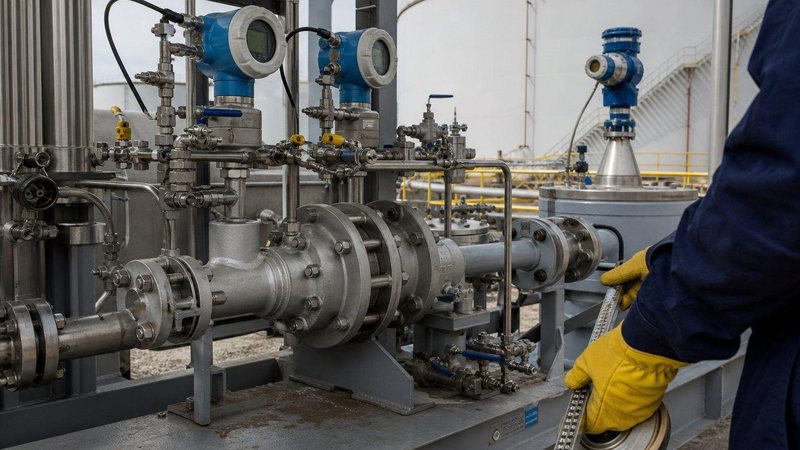
Custody Transfer Measurement
Tank gauging, meters and provers, sampling and volume correction to API MPMS standards.
Read more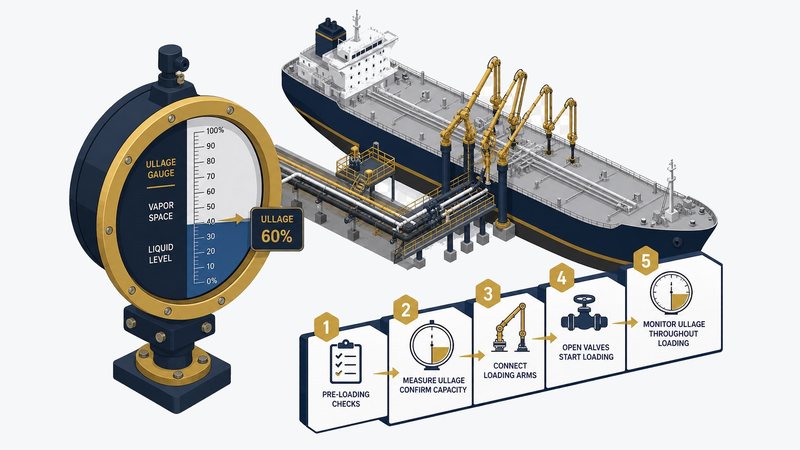
Throughput Agreements
Throughput fees, take-or-pay, excess throughput and the nomination cycle explained.
Read more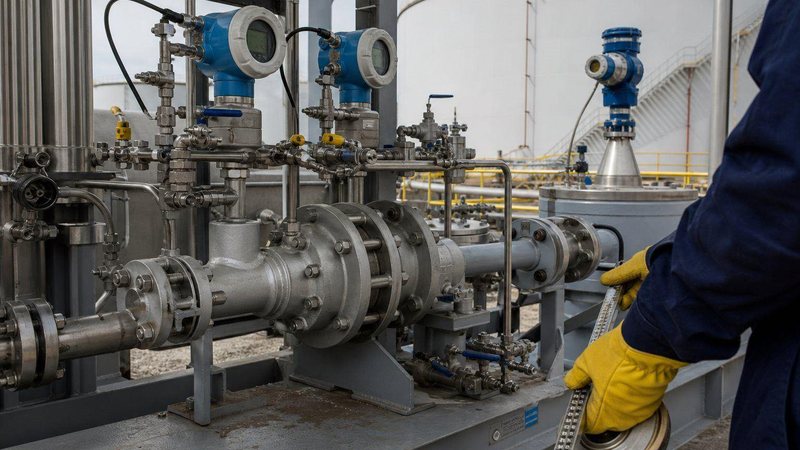
Custody Transfer, Explained
From TOV to NSV to metric tons: the quantity chain behind every invoice, with a worked example.
Read more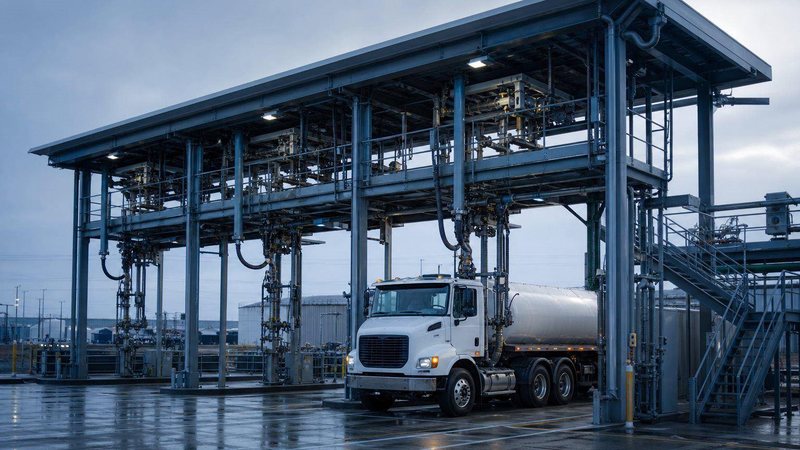
Tank Truck Transport
Cargo tank trucks and ISO tanks for rack loading, last-mile delivery and transload moves.
Read morePlan pipeline receipts
Tell us the line, origin, grades and monthly volume. We align tankage and onward movements with the cycle.