


Safe Operations, Verifiable Records
How we run storage and freight safely, which standards and rules we work to, and how to check that a document carrying our name is genuine.

A storage receipt or a tracking link is only worth the discipline behind it. Our terminal and freight teams work to written procedures for permits, gauging, transfers and emergency response, and to the API, ASTM and ISO standards our customers already name in their own contracts. When a regulator, an inspector or a buyer asks how something was done, the answer is in the record.
This section sets out that discipline in plain terms: how we manage health, safety, security and the environment, how we control vapors and leaks, which standards govern measurement and quality, which US rules apply to a terminal and freight operator, and how we protect counterparties from the advance-fee fraud that trades on terminal names.
Integrity & Fraud Prevention
Received a TSR, ATV or dip-test authorization in our name? Check it here before you pay anyone anything.
Read moreIn this section

Health, Safety, Security & Environment
Process safety, permit-to-work, overfill prevention, tank inspection, emergency response and contractors.
Read more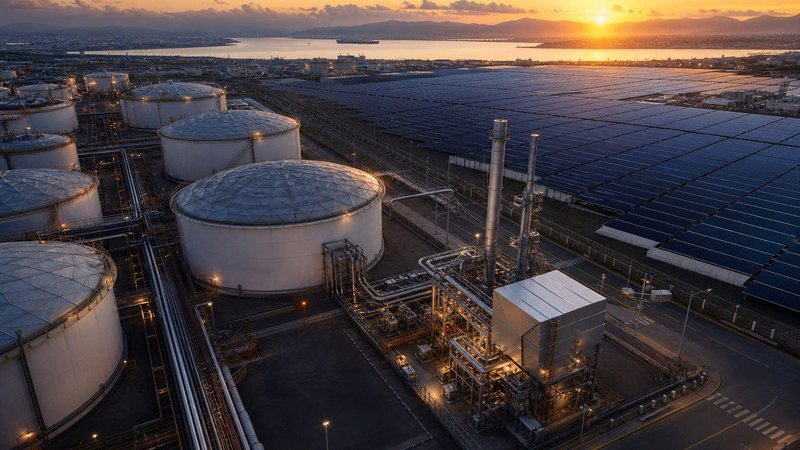
Sustainability at the Terminal
Vapor control, leak detection, energy use and renewable-fuel handling, described as practice, not targets.
Read more
Quality & Measurement Standards
API MPMS, API 650/653/2350, ASTM test methods, ISO 8217:2024 and independent inspection.
Read more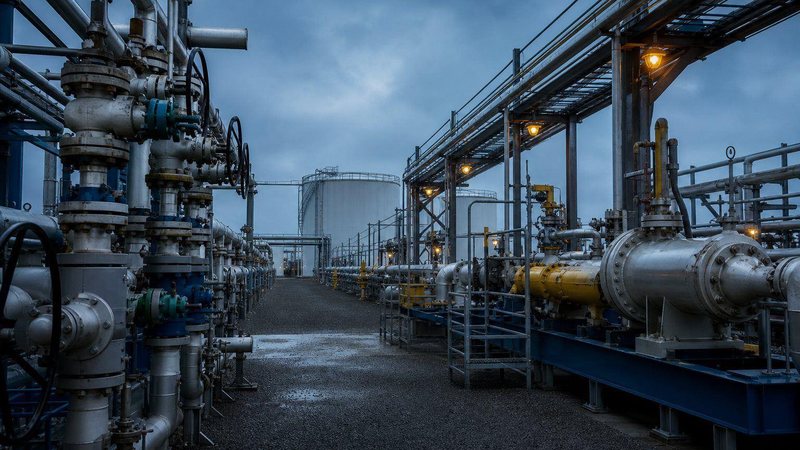
US Regulatory Framework
PHMSA, EPA, Coast Guard, OSHA, FMC and OFAC: the US rules behind our terminal and freight work.
Read moreIntegrity & Fraud Prevention
How advance-fee oil-trade fraud works, what we never do, and how to verify a CorEnergy document.
Read moreProcedures, not badges
We do not publish safety statistics or certification marks on this website. A number without context says little, and a badge says nothing about the tank your cargo will sit in. Instead we describe what we do and the standards we do it to. Verified counterparties can review the procedures, inspection records and audit findings behind those descriptions, and copies of any certificates held, on request.
One record for every barrel
Every movement leaves a trail: gauge tickets, temperatures, samples, inspector certificates, the Declaration of Inspection signed at the dock and, for freight, bills of lading and tracked waypoints. The same record answers a quality claim, a regulator's question and a buyer's check on a document. That is what "every barrel accounted for" means in practice.
- Opening and closing gauges taken to API MPMS
- Independent inspection on custody transfers
- Waypoints logged from origin to destination
- Stock released only on the depositor's written instruction
Counterparty checks come first
Before anyone books a tank, sees a stock position or receives a document from us, we verify who they are, who owns them and whether any party, bank or vessel in the chain appears on a US sanctions list. Buyer-portal access follows the same rule: KYC (know your customer) verification first, credentials second. It protects our customers as much as it protects us.
Frequently asked questions
Is CorEnergy certified to ISO 9001, 14001 or 45001?
We do not claim certifications on this website; we describe the standards we work to. Where a certificate is held for a particular site or activity, we provide a copy to verified counterparties on request, with the issuing body and scope, so you can check it with the certifier directly.
Can we audit a terminal before we store product?
Yes. Verified customers can arrange a pre-nomination visit or a vetting audit of the tankage and transfer systems they intend to use, escorted by the terminal team and under our site safety rules. Many customers also send their own surveyor for the first receipt.
Who do I contact with a compliance question?
Write to info@corenergylogistics.com or call +1 252 633 7061 and say whether the question concerns safety, environment, sanctions, quality or a document you want verified. It goes to the people who run that process, not to a general sales line.
Related
Integrity & Fraud Prevention
How advance-fee oil-trade fraud works, what we never do, and how to verify a CorEnergy document.
Read moreUS Regulatory Framework
PHMSA, EPA, Coast Guard, OSHA, FMC and OFAC: the US rules behind our terminal and freight work.
Read more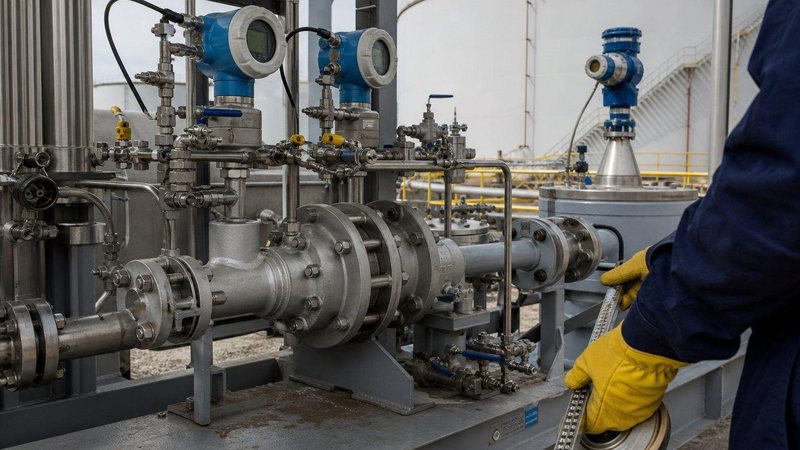
Custody Transfer Measurement
Tank gauging, meters and provers, sampling and volume correction to API MPMS standards.
Read more
Buyer / Receipt-Holder Portal
KYC-verified buyers see grade, quantity, tank, status and documents for the product they hold.
Read moreNeed documents for your vetting file?
Verified counterparties can request procedures, inspection records and insurance evidence through the desk.