


Utilities and Power Generation
Gas is the main fuel for many plants, until a cold snap curtails supply. We store and deliver the fuel oil and distillate that keep backup capacity real when it is needed.
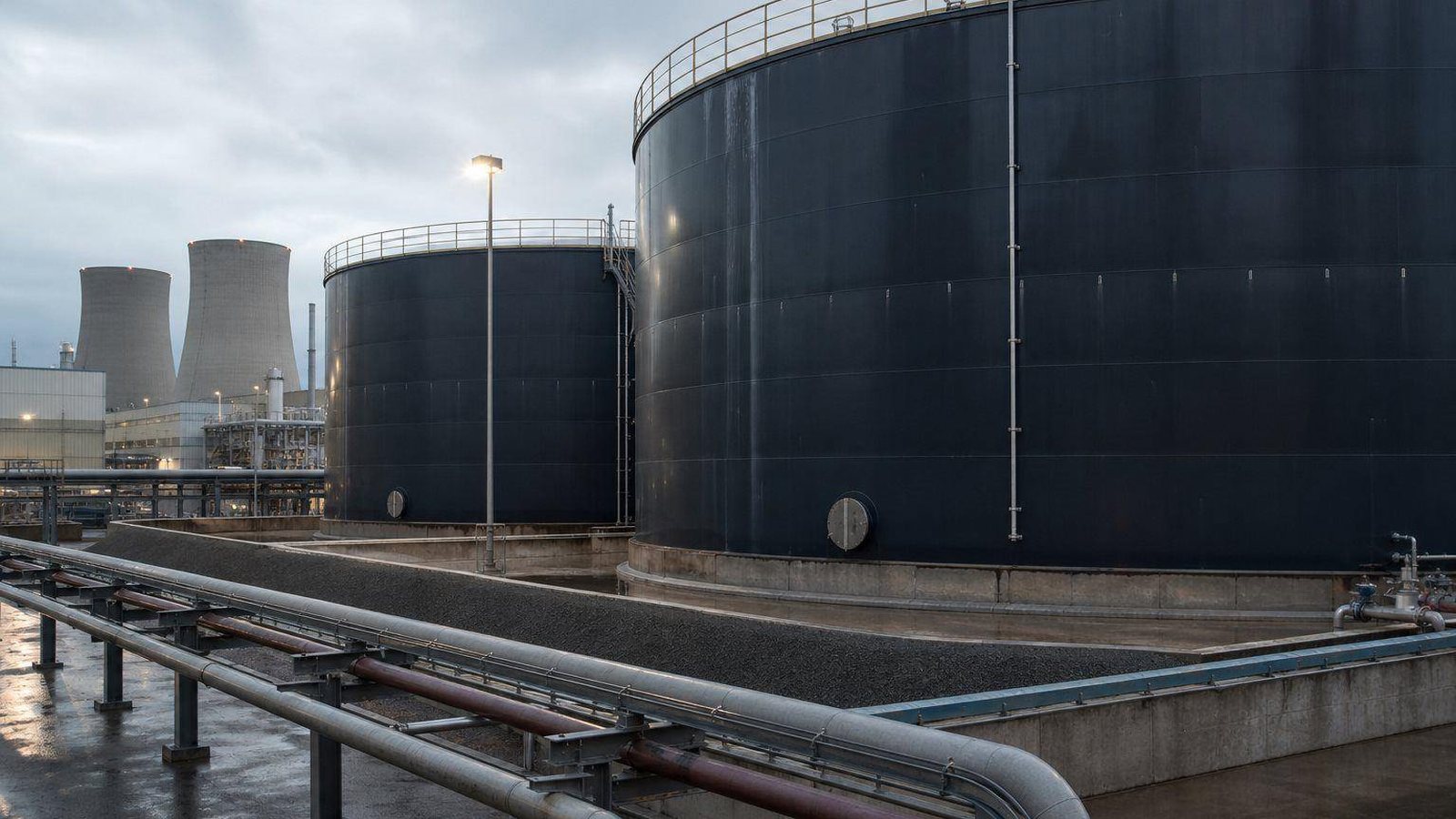
Many gas-fired plants are built to burn oil as well. Dual-fuel combustion turbines switch to distillate when gas is curtailed, and older steam units may still burn residual fuel oil. The backup only counts if the fuel is on site, on specification, and can be replenished while the plant runs. In a cold snap all three are tested at once, just when trucks, drivers and barges are hardest to find.
We hold backup fuel for generators and deliver it to plant tanks by truck, barge, rail or pipeline. We plan the season with the plant's fuel team: what must be in the plant tank before the peak, what we hold in reserve in our tankage, and how fast it can move when the call comes.
Why backup fuel needs a logistics plan
Interruptible gas transport costs less than firm transport, and plants that rely on it accept that gas may be cut at peak demand. Distillate is the insurance. On-site tanks often hold only a few days of full-load running, so the real backup is the resupply chain behind the plant tank. Grid operators increasingly expect generators to perform during scarcity events, and fuel logistics is part of that performance.
Fuels we handle for generators
Generators specify fuel by the equipment that burns it. Turbine manufacturers limit trace metals such as sodium, potassium, vanadium and lead, because they cause hot corrosion of turbine blades. Boilers care more about viscosity, sulfur and pumpability. We store each grade to the specification in your fuel contract and test it before delivery.
| Fuel | Typical use | Specification reference | Handling note |
|---|---|---|---|
| No. 2 fuel oil or ULSD | Combustion turbine and diesel engine backup | ASTM D396, D975, D2880 | Cold flow and water control |
| Kerosene (No. 1) | Winter blending into distillate | ASTM D396, D3699 | Lowers the cloud point of the blend |
| No. 6 residual fuel oil | Steam boilers | ASTM D396 | Heated storage to stay pumpable |
| Biodiesel blends | Where state rules or plant policy call for them | ASTM D975 (up to B5), D7467 (B6 to B20) | Stability and cold flow checks |
Peak-season draws
The pattern is predictable even when the weather is not. Plants fill before winter, draw hard during a cold snap, and need refills while roads are icy and every carrier is busy. We agree the plan before the season starts: target inventory in the plant tank, reserve volumes we hold for you, trigger levels for refills and the delivery route for each.
- Pre-season fill of plant tanks to an agreed target level
- Reserve volumes held in our tankage under a dedicated allocation
- Call-off procedure with named contacts on both sides
- Refill triggers based on plant tank level, not a fixed calendar
- Delivery plans by truck, barge or rail, with a fallback route
Keeping stored fuel fit to burn
Backup fuel can sit for months before it is burned. Distillate oxidizes slowly, picks up water as the tank breathes, and can support microbial growth at the fuel and water interface. We drain water bottoms routinely, sample on a set schedule, and test stored product for stability and contamination, using guidance such as ASTM D6469 for microbial risk.
When results trend the wrong way, the options are rotation, polishing or treatment. Rotation swaps aged fuel for fresh product while keeping your reserve volume intact. Heated residual fuel oil is held within an agreed temperature band: warm enough to pump, not so hot that it degrades.
Delivery to the plant
Every delivery is confirmed against plant tank ullage before it leaves, so a truck or barge never arrives with nowhere to discharge. Each load carries a bill of lading and quality documents, and its progress is visible on Cargo & Vessel Tracking. During a peak event we report deliveries made, volumes in transit and reserve remaining at agreed intervals.
Frequently asked questions
How much reserve should we hold off site?
It depends on plant burn rate, on-site tank capacity, delivery lead time and the obligations in your capacity or reliability agreements. We work through those figures with your fuel team, propose a reserve and delivery plan, and price it so you can compare it with building more storage on site.
Can you deliver during a declared emergency?
We deliver under the plan agreed before the season, and contracted reserve volumes come first. Road, waterway and weather restrictions still apply, which is why the plan includes a second delivery route wherever the plant can receive by more than one mode.
Who owns the reserve fuel while it is in your tanks?
Usually the utility or generator owns it from purchase, and we hold it under a Tank Storage Agreement as a dedicated allocation. Some contracts keep title with the fuel supplier until delivery. Either way, ownership and allocation are recorded and visible to verified parties in our portal.
Can you handle residual fuel oil for older boilers?
Yes, in heated tankage. No. 6 fuel oil must be held warm enough to pump and delivered in heated or insulated equipment. We agree the storage and delivery temperatures with the plant and record both for every load.
Related
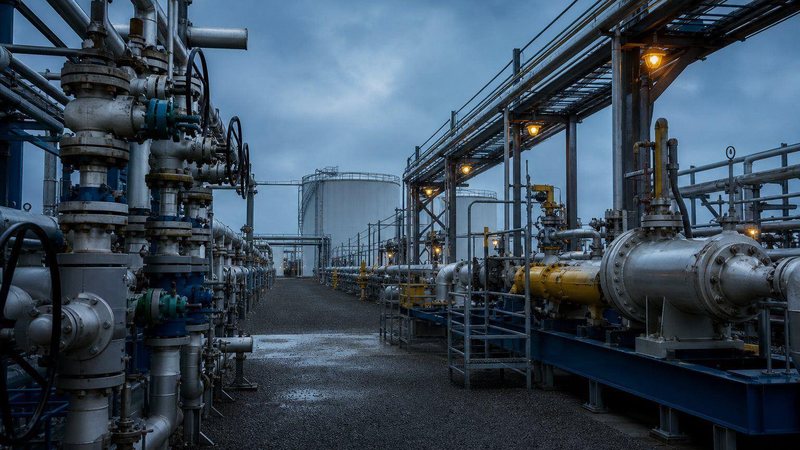
Tank & Line Heating
Steam, thermal oil and heat tracing for viscous products, with logged temperatures and clear pricing.
Read more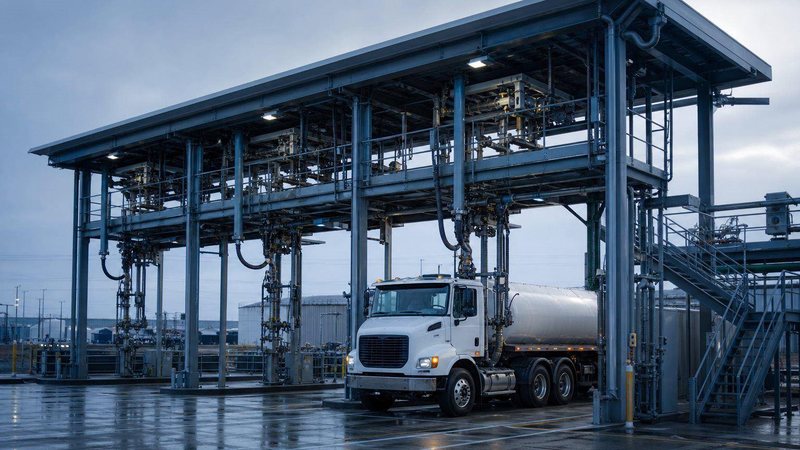
Tank Truck Transport
Cargo tank trucks and ISO tanks for rack loading, last-mile delivery and transload moves.
Read more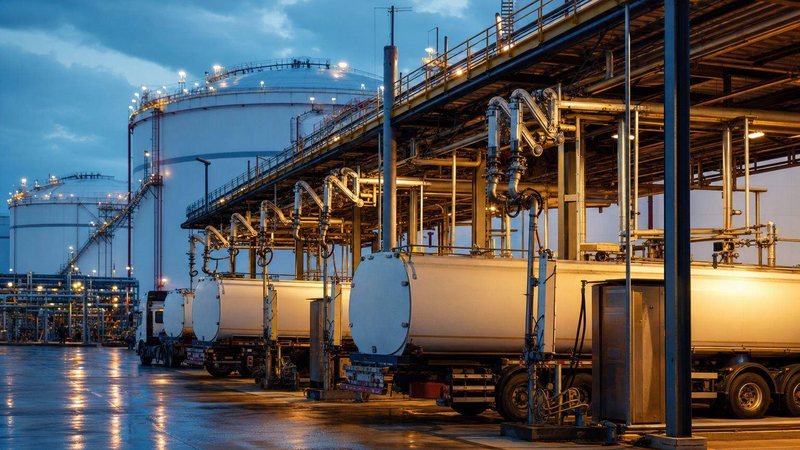
Refined Products Storage
Gasoline blendstocks, ULSD and jet fuel on segregated systems, with dye and additive injection.
Read more
Cargo & Vessel Tracking
Every waypoint on a map, A to Z, with a plain-language status from nomination to custody transfer.
Read morePlan for next winter now
Share your burn rates, tank sizes and delivery points. We will propose a reserve and delivery plan for the season.