


Petrochemical Feedstocks and Products
Crackers and aromatics plants run on tight feedstock specifications. We store and move naphtha, aromatics and other petrochemical liquids with compatibility and purity treated as hard limits.
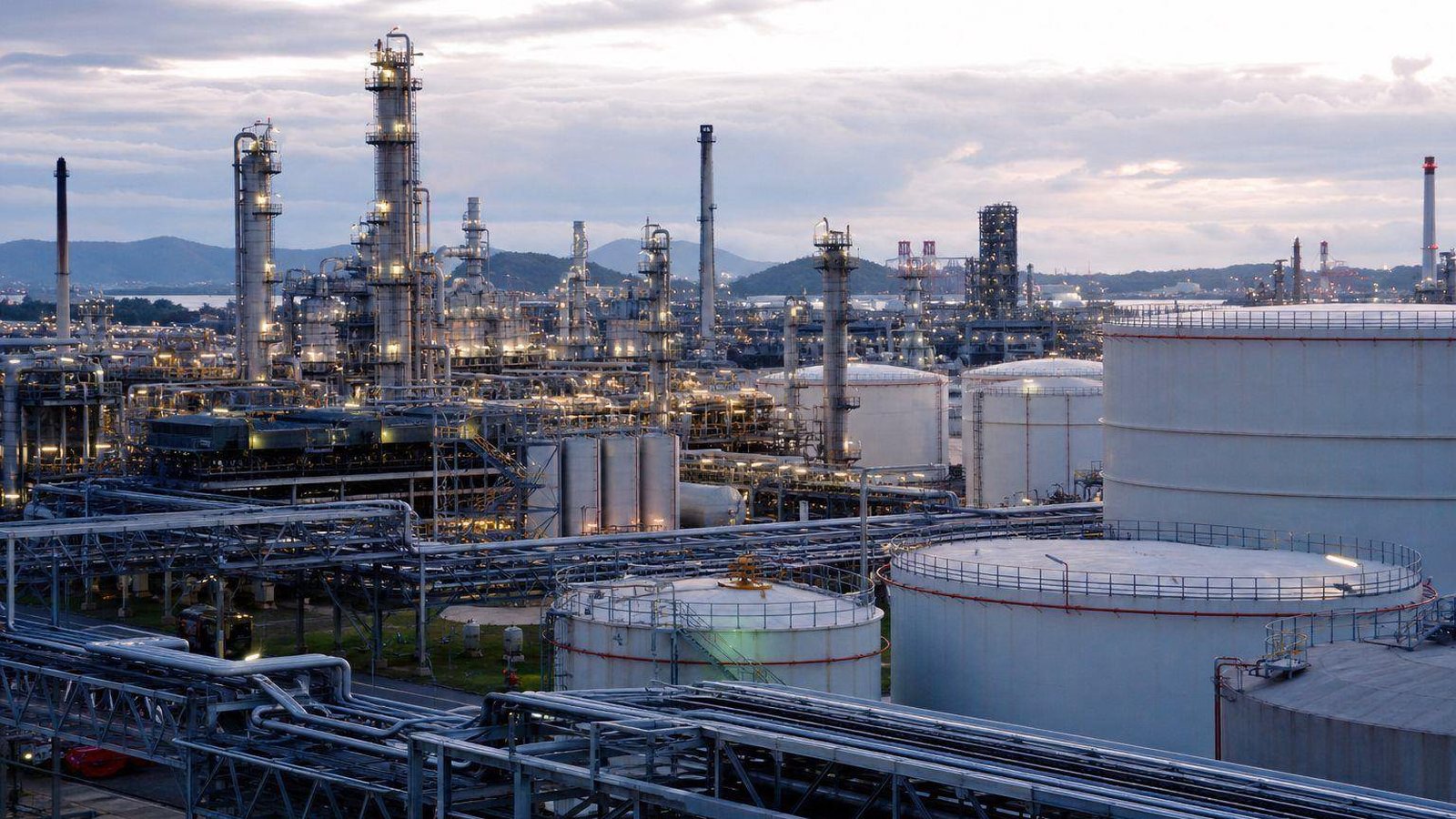
Petrochemical producers buy feedstock by molecule, not by barrel. A steam cracker's ethylene yield depends on how paraffinic its naphtha is. An aromatics buyer may reject product for a color reading or an impurity measured in parts per million. A few hundred gallons of the wrong material left in a line can contaminate a cargo worth far more than the storage contract.
We treat feedstock buyers and product sellers on the same basis: every grade has a defined home, a compatibility record and a sampling regime. Tank assignments are planned around what each tank and line has held before, not just around what happens to be free today. That history is recorded and available to the product owner.
Feedstocks for crackers and reformers
Naphtha is the main steam cracker feedstock in Europe and Asia, while US crackers run mostly on ethane. Naphtha also feeds the catalytic reformers that make aromatics. Buyers specify it by density, distillation range and PIONA content, the split between paraffins, isoparaffins, olefins, naphthenes and aromatics. Light paraffinic naphtha suits crackers. Heavier naphthenic grades suit reformers.
- Light, heavy and full-range naphtha kept in separate tanks
- Internal floating roofs to limit evaporation of light ends
- PIONA, density and distillation tested on receipt
- Segregation by origin where buyers pay for a specific quality
Product handling matrix
Each petrochemical liquid has its own failure mode. Some freeze in a mild winter, some polymerize if left warm, some absorb water from the air, and some are hazardous to the people who sample them. The table summarizes the main concern for common grades and how we address it in storage and at the dock.
| Product | Main handling concern | How we handle it |
|---|---|---|
| Naphtha | High vapor pressure and flammability | Floating-roof tanks and vapor control |
| Benzene | Toxicity; freezes at 5.5 °C | Closed sampling, exposure control, heated or insulated storage |
| Toluene | Purity and color | Dedicated tanks and lines, nitrogen blanket where specified |
| Mixed xylenes and paraxylene | Purity; paraxylene freezes near 13 °C | Dedicated lines, heated storage for paraxylene |
| Styrene monomer | Polymerization if inhibitor runs low or product warms | Inhibitor level and temperature checked on a set schedule |
| Methanol | Water pickup and low flash point | Dry nitrogen blanket and dedicated lines |
Compatibility and segregation
Two questions decide where a product can go: will it react with what is next to it, and will it be contaminated by what was there before. For marine transport, the US Coast Guard compatibility chart in 46 CFR Part 150 governs which cargo groups may sit in adjacent tanks. At the terminal, we check tank and gasket materials, coatings and previous product history before assigning a tank.
Changing a tank to a new grade means cleaning, inspection and a first-fill sample before the tank is released for its new service. For marine cargoes, buyers often ask for the last three cargoes carried and, on chemical tankers, a wall-wash test of the cargo tanks before loading.
Exposure and emissions
Aromatics and light feedstocks are regulated for worker exposure and air emissions alike. Benzene falls under the OSHA benzene standard, which sets a permissible exposure limit of 1 ppm over eight hours and sets out monitoring, regulated areas and medical surveillance duties. Storage tanks for volatile organic liquids are covered by EPA standards such as 40 CFR Part 60 Subpart Kb.
Moving petrochemicals
Chemical tankers are built and certified under the IMO IBC Code as ship types 1, 2 or 3, according to the hazard of the cargoes they may carry, and noxious liquids are categorized X, Y or Z under MARPOL Annex II. Our freight desk matches the vessel or barge to the product and checks cleaning certificates and previous cargoes before nomination. Rail and truck moves use equipment rated for the hazard class.
Frequently asked questions
Can a tank move from naphtha to aromatics service?
It can, but not quickly. The tank must be emptied, cleaned to a standard set by the incoming product's purity requirement, inspected and sometimes recoated. The first fill is sampled before the tank is released. Plan a change of service well before the first cargo is due.
Do you nitrogen-blanket tanks?
Where the product requires it, for example to keep moisture out of methanol. Styrene needs care, because common inhibitors such as TBC work only with some dissolved oxygen present, so a full nitrogen blanket can do harm. Blanketing is agreed per product before storage starts.
How do you prevent cross-contamination at the dock?
Dedicated lines where the grade justifies them, and displacement, flushing and sampling where lines are shared. We record what each line last carried. Where the buyer requires it, a first-foot sample, taken once the first foot of cargo is in the ship's tanks, is tested before loading continues.
Related
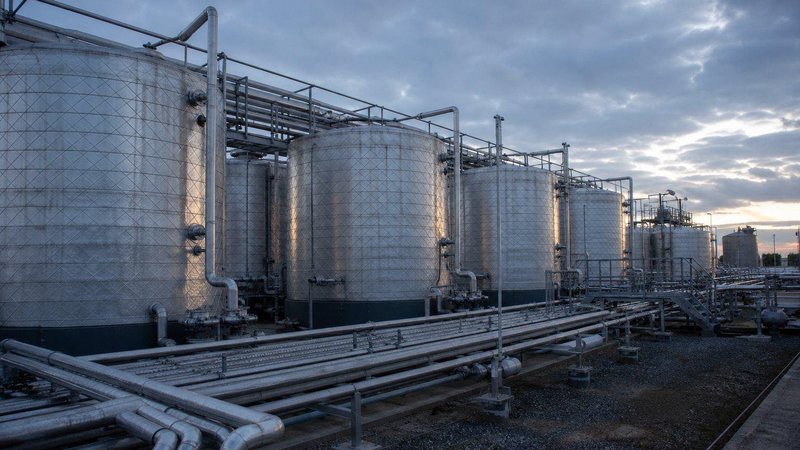
Chemical Storage
Tank material matched to product, nitrogen blanketing, dedicated lines and audited grade changes.
Read more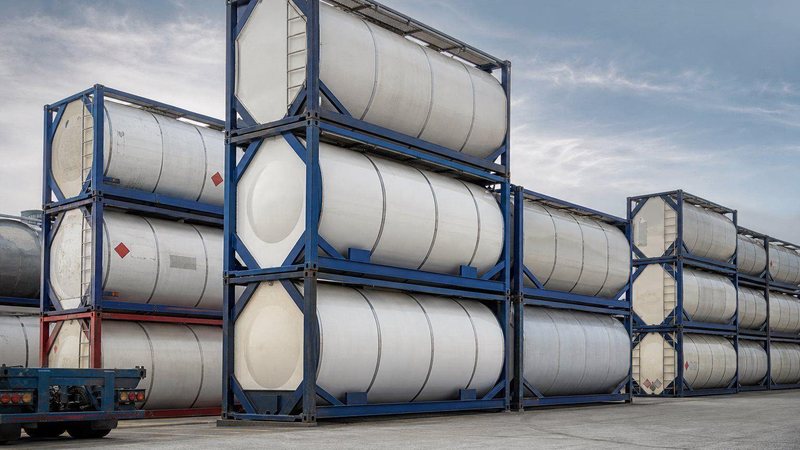
LPG & NGL Storage
Bullets, spheres and refrigerated tanks for propane, butane and NGL mixes.
Read more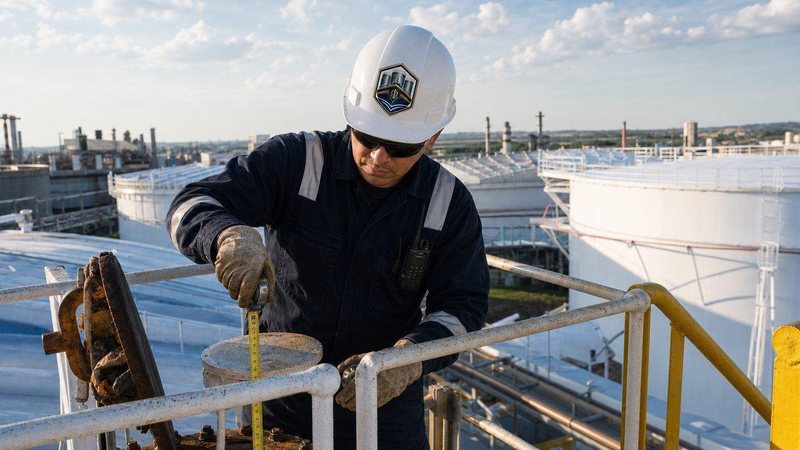
Health, Safety, Security & Environment
Process safety, permit-to-work, overfill prevention, tank inspection, emergency response and contractors.
Read more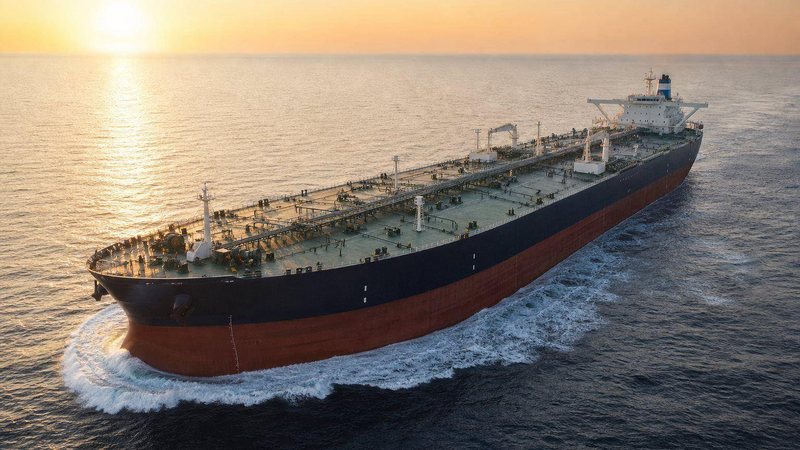
Marine Tanker Freight
Tanker size classes, SIRE 2.0 vetting and Jones Act rules, matched to your parcel and both berths.
Read moreDiscuss a feedstock or product
Send the product, specification and volumes. We will review compatibility and propose tankage and freight.