


West Africa
A crude-exporting region that imports much of its fuel. We arrange floating storage, ship-to-ship lightering, inspection and tracking for product cargoes into West Africa.
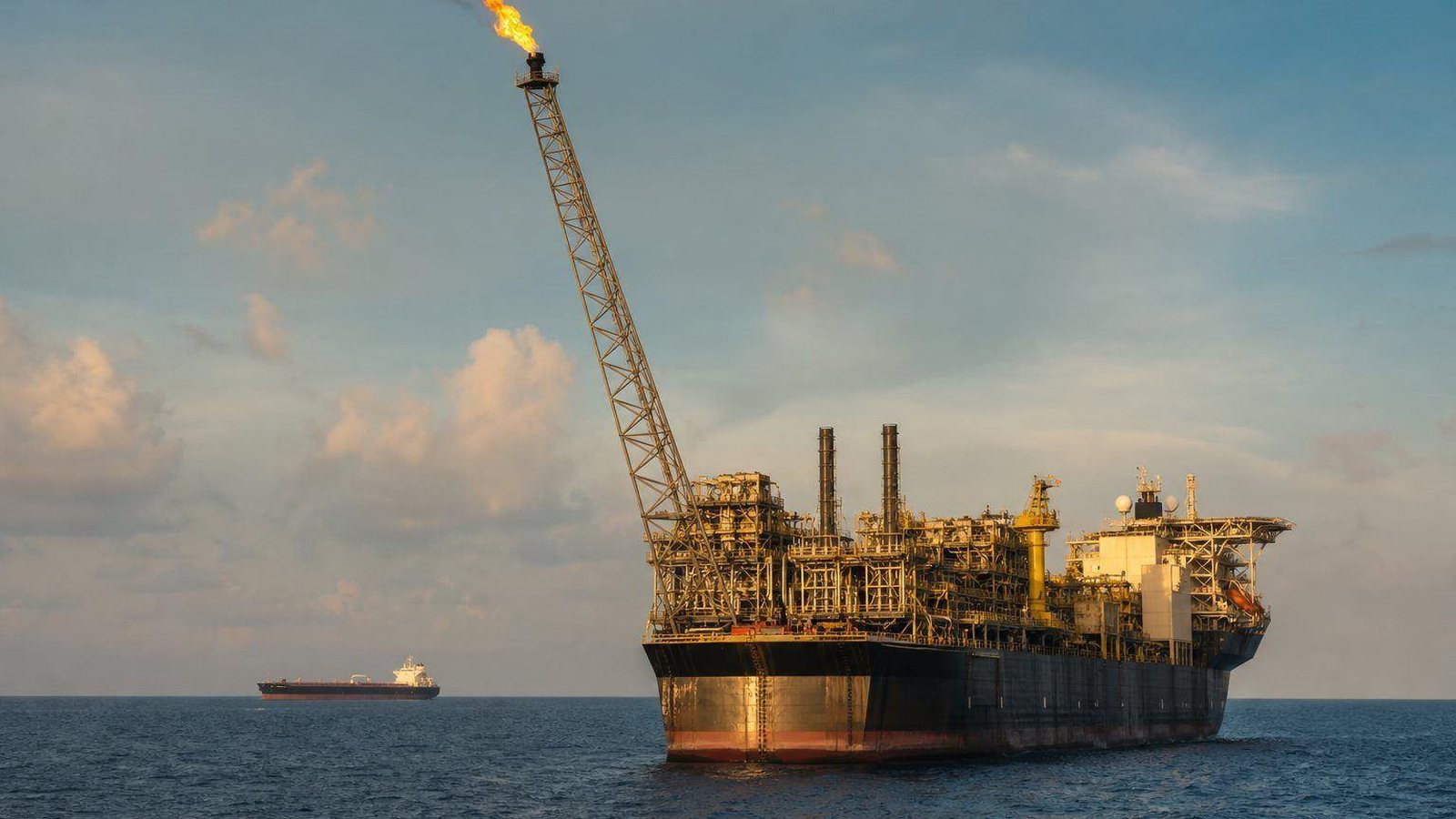
West Africa ships crude to the world from Nigeria, Angola and neighboring producers, much of it loaded at offshore terminals and floating production units. For decades the region has also imported a large share of the gasoline, diesel, jet and kerosene it burns, because local refining has not kept pace with demand. Large new refining capacity in Nigeria is beginning to change those import patterns, but imports remain a core trade.
Many West African ports have shallow drafts and limited tank capacity, so product cargoes are often stored offshore and lightered into smaller tankers for discharge. Every extra transfer adds cost, time and measurement risk. We arrange the floating storage, the ship-to-ship transfers, independent inspection at every transfer and tracking from the offshore anchorage to the shore tank.
The trade in local terms
West African product contracts use regional names that differ from those on a US or European spec sheet. Getting the name right matters less than getting the specification right: an import permit, a customs entry and an inspector's certificate all refer to the grade and its test limits, and many states now limit sulfur in imported gasoline and diesel to 50 ppm.
| Local term | Product | Typical use |
|---|---|---|
| PMS | Premium Motor Spirit | Gasoline for road transport |
| AGO | Automotive Gas Oil | Diesel for transport and generators |
| DPK | Dual Purpose Kerosene | Household kerosene |
| ATK | Aviation Turbine Kerosene | Jet A-1 for aviation |
| LPFO | Low Pour Fuel Oil | Industrial and power fuel |
Floating storage and lightering
A typical import cargo crosses the Atlantic or comes from the Mediterranean on an MR or LR tanker, too large for the discharge berth. It waits at an offshore anchorage, the waters off Lome in Togo being a long-established example, and acts as a floating store. Smaller daughter tankers then load from it by ship-to-ship transfer and carry parcels into the ports.
Each transfer is planned to OCIMF ship-to-ship guidance and each ship's MARPOL Annex I STS operations plan. Each one is also a measurement event, and losses in this trade are most often found between the mother ship and the shore tank.
Security in the Gulf of Guinea
Piracy and armed robbery remain a risk for ships at anchor and underway in the Gulf of Guinea. Owners follow the industry BMP West Africa security guidance, report to MDAT-GoG while in the region and may face war-risk insurance premiums. We take these factors into account when choosing anchorages, vessels and transfer windows.
- Vessel vetting that includes security preparedness
- Anchorage and transfer windows chosen with security advice
- Daily position reporting on the tracker
- War-risk premiums confirmed before fixing
Check before you pay
West African product deals are a frequent target of advance-fee fraud. The pattern is familiar: a cargo or tank said to be ready, a Tank Storage Receipt (TSR), an Authority to Verify (ATV) or a Dip Test Authorization (DTA) offered, and a fee requested before anything is verified. Genuine storage does not work that way.
How it works
- 1Verify the parties
KYC on buyer and seller, and contract terms checked before any vessel is fixed.
- 2Measure at anchorage
An inspector gauges and samples the mother vessel on arrival and confirms quality against the import specification.
- 3Lighter by STS
Daughter vessels load by ship-to-ship transfer, with both ships measured before and after each transfer.
- 4Discharge ashore
The daughter vessel discharges to the receiving terminal, and the shore tank is gauged for outturn.
- 5Reconcile
Quantities at each step are reconciled against the bill of lading and the result is posted to the tracking record.
Frequently asked questions
Why are cargoes lightered offshore instead of discharged directly?
Many West African berths cannot take a fully laden MR or LR tanker, and shore tank space is limited. Lightering lets a large economic cargo cross the ocean and then reach port in parcels sized to the berth and tank.
Where do losses usually occur?
Most disputes arise between the mother vessel and the shore tank, across several transfers. Independent measurement at every step, with vessel experience factors applied, shows which transfer produced the difference.
Can you verify a storage receipt someone sent me in your name?
Yes, and please ask before you pay anything. Send us the document and we will tell you whether we issued it. We never issue receipts to unverified counterparties, so a receipt that reached you before KYC is a warning sign in itself.
Which specification applies to imported diesel?
The one in your contract and the importing state's regulations. Many ECOWAS states have adopted a 50 ppm sulfur limit for imported gasoline and diesel. We test against both before discharge.
Related
Integrity & Fraud Prevention
How advance-fee oil-trade fraud works, what we never do, and how to verify a CorEnergy document.
Read more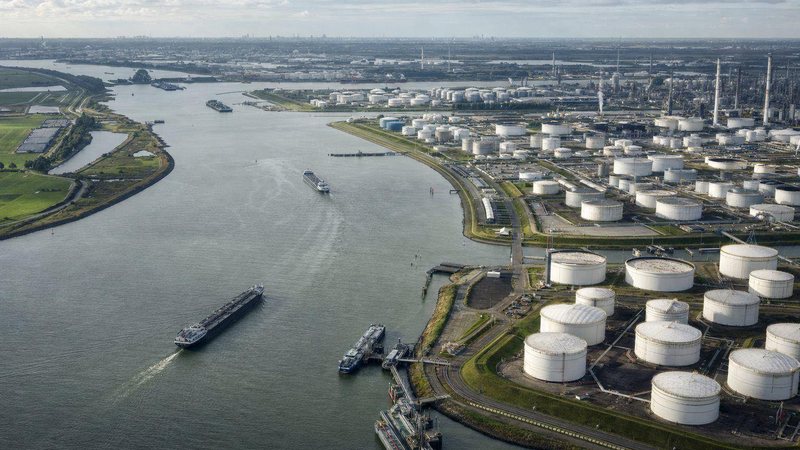
ARA: Amsterdam-Rotterdam-Antwerp
Storage, blending and Rhine barging across Amsterdam, Rotterdam and Antwerp.
Read more
Refined Products Storage
Gasoline blendstocks, ULSD and jet fuel on segregated systems, with dye and additive injection.
Read more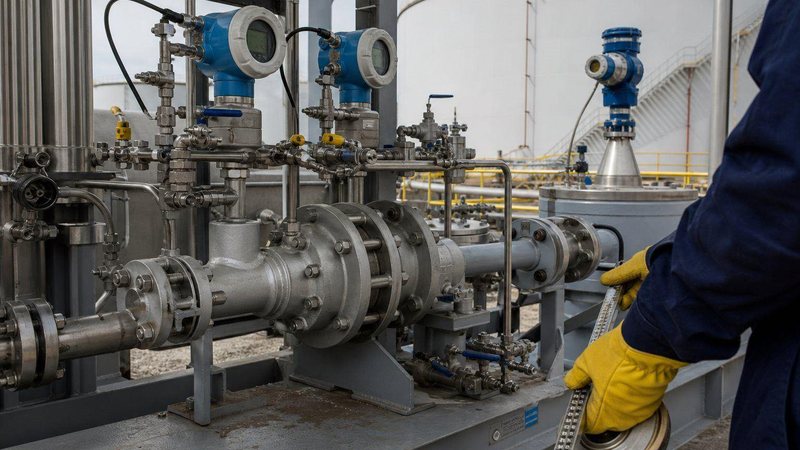
Custody Transfer, Explained
From TOV to NSV to metric tons: the quantity chain behind every invoice, with a worked example.
Read morePlan a West African import
Send the product, quantity, discharge port and timing. We will propose floating storage, lightering, inspection and tracking.