


Cargo & Vessel Tracking
One tracking number follows a cargo from the first nomination to the last custody transfer. Each waypoint sits on a map, A to Z, with a status and a plain explanation of what just happened.
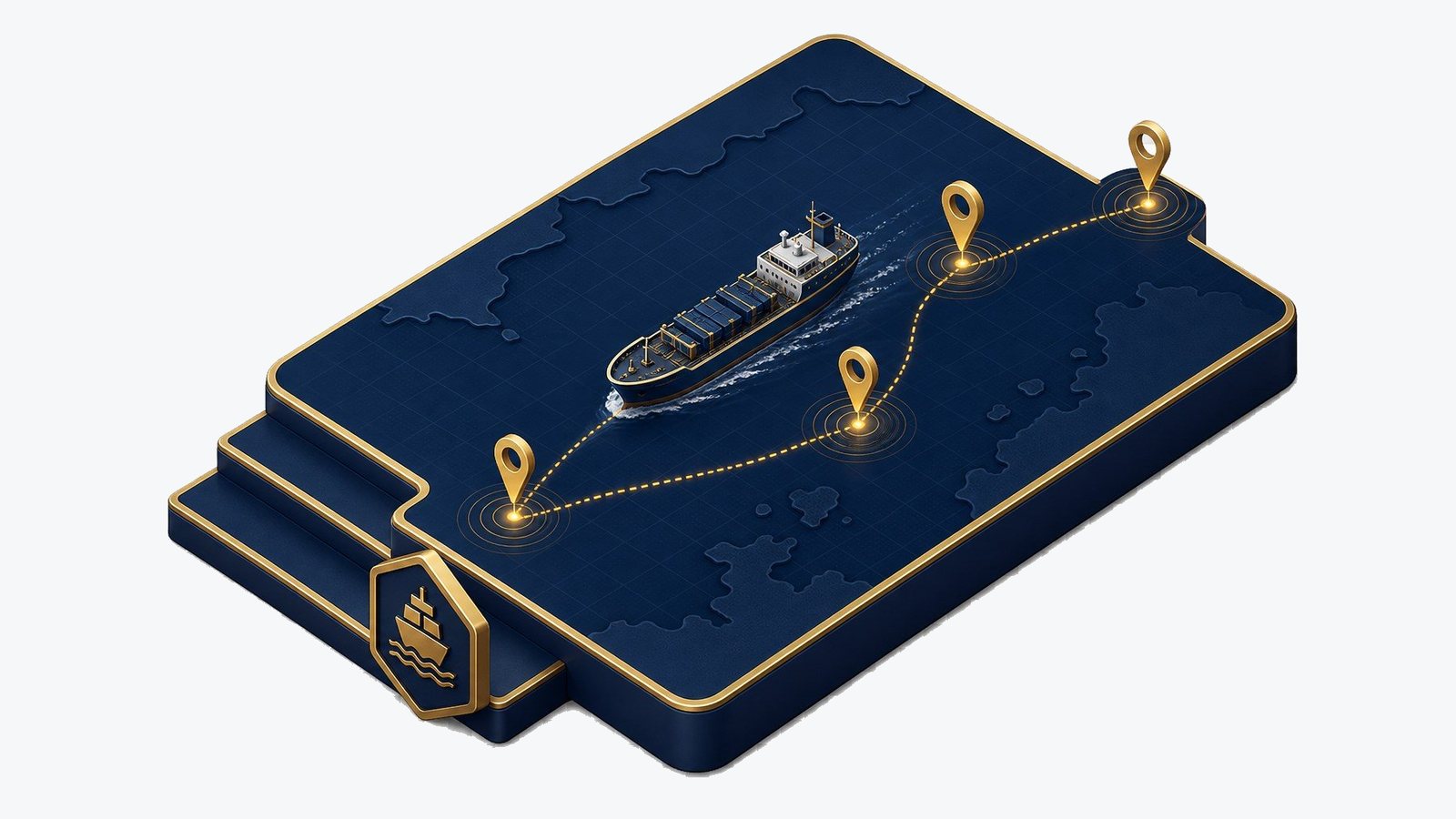
Parcel couriers taught everyone to expect a tracking page: a map, a line from origin to destination and a dated status at each stop. Bulk liquids have more steps and more jargon, but the same idea works. Our tracker shows each waypoint of a cargo in order, A to Z, with its place on the map, its current status and a short description written for someone who does not work in shipping.
Behind each status is an operational event: a nomination accepted, a vessel fixed, a notice of readiness tendered, hoses connected, a bill of lading issued. We record those events as they happen, so the tracker reads like the voyage log without the abbreviations, and a buyer, banker or receiver can see progress without asking for it.
Before the ship arrives
A cargo exists on paper before it exists on a ship. The first four milestones confirm that the commercial and shipping arrangements are in place: the terminal has accepted the cargo for planning, the supplier has confirmed it, a vessel has been chartered and vetted, and the loading window is agreed by all sides.
| Milestone | What it means |
|---|---|
| Nominated | The cargo, quantity and dates have been nominated to the terminal and accepted for planning. |
| Stem confirmed | The supplier has confirmed the cargo will be ready on the agreed dates. The stem is that confirmed loading allocation. |
| Vessel fixed | A ship has been chartered for the voyage and has passed vetting. |
| Laycan confirmed | The loading window, laydays to cancelling, is agreed with the terminal and the ship. |
At the load port
At the load port the independent inspector gauges the shore tanks and the ship's tanks, draws samples and issues the figures that go on the bill of lading. Those figures are the reference for everything that follows, including outturn at discharge and any claim for loss, so this stretch of the chain carries the most milestones.
| Milestone | What it means |
|---|---|
| Arrived / anchored | The ship has reached the port and is waiting at anchor or heading to the berth. |
| NOR tendered | The master has declared the ship ready to load. The laytime clock is about to start. |
| All fast | The ship is moored alongside the berth with all lines secured. |
| Hoses connected | Loading arms or hoses are connected to the ship's manifold and safety checks are complete. |
| Commenced loading | Product is flowing from the shore tanks to the ship. |
| B/L issued | Loading is complete and the bill of lading, the receipt and title document for the cargo, has been issued. |
| Sailed | The ship has left the berth and is outbound. |
Voyage and discharge
Barge, rail, truck and pipeline movements follow the same chain with the steps that fit the mode. A truck has no laycan and a pipeline batch has no NOR, so milestones that do not apply to a mode are left out of that cargo's chain. The ones that matter most to a buyer, outturn and custody transfer, appear for every mode.
| Milestone | What it means |
|---|---|
| In transit | The cargo is moving: at sea, on the river, on the rails, on the road or in the line. |
| Arrived discharge port | The conveyance has reached the destination port or terminal. |
| Commenced discharge | Product is flowing into the receiving tanks. |
| Discharge completed | Pumping has finished; final ship and shore measurements are being taken. |
| Outturn | The quantity received ashore has been measured and compared with the bill of lading figure. |
| Custody transfer complete | Quantity and quality are agreed and responsibility for the product has passed to the receiver. |
Reading the map
Each waypoint is a pin on the map, in the order the cargo reaches it, joined by the route line. The current position carries the symbol of the conveyance: a tanker, a barge, a railcar, a truck or a pipeline. Tap or click any pin to see its status, when it was recorded and the plain-language description for that step.
Public tracker and private links
Every tracking number works on the public tracker. We can also send a private link for the same cargo to named recipients, such as a buyer, a bank or an inspector. A private link stays active indefinitely by default, or until an end date set when the link is created. Public or private, the page displays in any language the reader selects.
Frequently asked questions
What is a stem?
A stem is the supplier's or terminal's confirmation that a cargo of a stated grade and quantity will be available for loading on given dates. In bunkering, the same word means a confirmed fuel delivery. Until the stem is confirmed, a vessel cannot be firmly scheduled to load.
Why does the tracker show NOR tendered but not loading?
NOR means the ship is ready, not that it is alongside. Ships often wait at anchor for a free berth, for tide or daylight, or for the cargo to be ready. Laytime may be running during that wait, which is why the time between NOR and all fast matters to both sides.
Can the tracker show a pipeline or rail movement?
Yes. The same tracking number format works for tankers, barges, railcars, trucks and pipeline batches. The terminal selects the conveyance type, which sets the symbol on the map and the milestones that fit that mode.
Who can see a private link?
Anyone who has the link. Treat it like any shared commercial document and send it only to people who need it. If a link should stop working on a certain date, ask us to set an end date for it.
Related
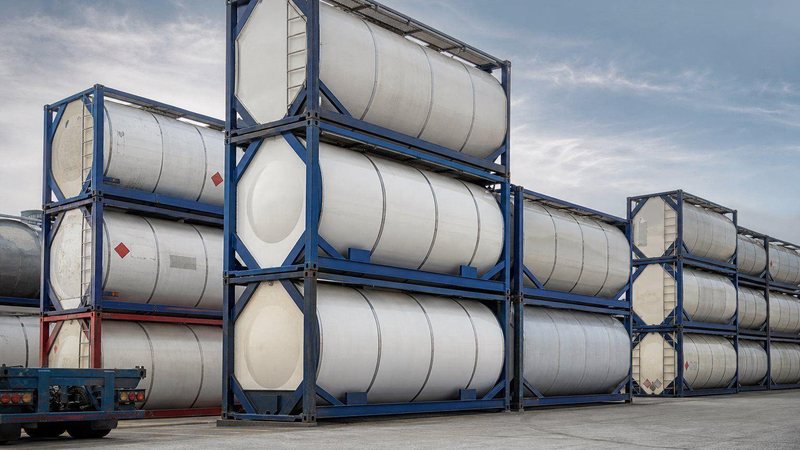
Conveyance Types
The full list of tankers, barges, railcars, trucks and pipelines a tracking link can show.
Read more
How the Tools Work
Step-by-step use of the tracker, tank availability and buyer portal, plus languages and sharing.
Read more
Chartering Desk
Voyage, time charter and COA fixtures, Worldscale freight, laytime and demurrage handled end to end.
Read more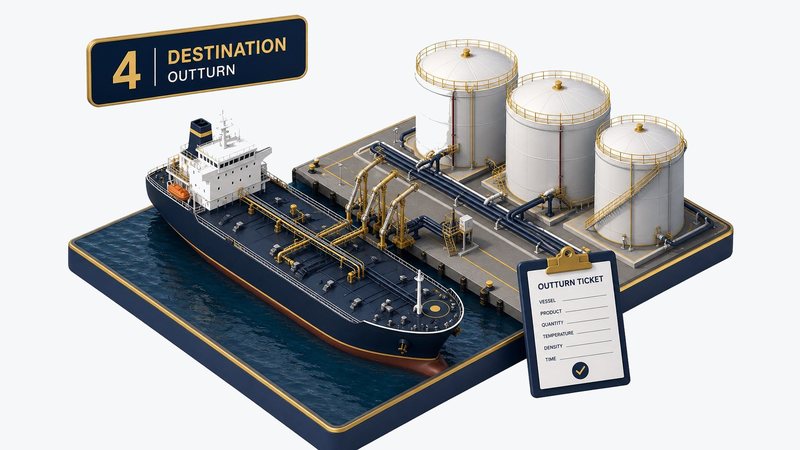
Laytime and Demurrage, Explained
NOR, laytime, demurrage and despatch, with a worked tanker claim using hypothetical figures.
Read moreOpen the tracker
Enter your tracking number to see each waypoint, status and description on the map.