


Tank & Line Heating
Some products only move when they are warm. We heat tanks and lines to the temperature each product needs, log every reading and bill heating on a basis you can check.
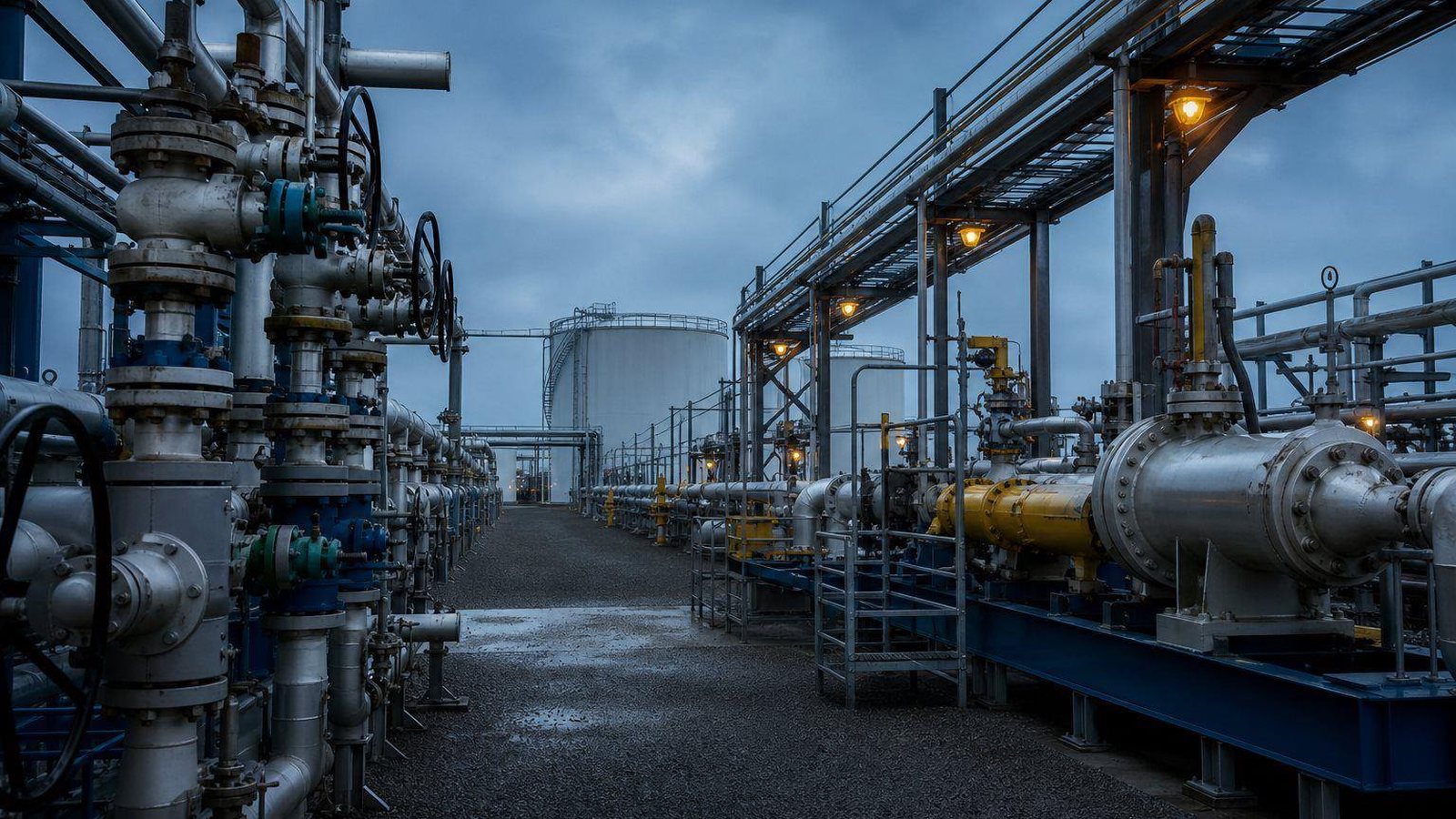
Heavy crude, residual fuel oil, bitumen, palm oil, B100 biodiesel and some chemicals need heat to stay pumpable, to stay above their pour or cloud point, or to stay on specification. Too little heat and a tank or line sets solid. Too much and the product degrades, gives off more vapor or simply costs more to hold than it should.
We heat to a written set-point for each product, choose the heating method by product and temperature, and log tank temperatures throughout storage. Heating is a separate service, quoted with its cost basis stated, so the owner can see exactly what keeping a product warm costs and can change the set-point knowing the effect.
Heating methods
Steam is efficient and common up to moderate temperatures. Thermal oil reaches the higher temperatures bitumen needs without high-pressure steam. Electric tracing suits lines and small equipment where steam is impractical. Whatever the method, insulation does most of the work: a well-insulated tank needs far less energy to hold its temperature than to regain it.
| Method | How it works | Typical use |
|---|---|---|
| Steam coils | Low-pressure steam through coils near the floor; condensate returned | Heavy crude, fuel oil, vegetable oils |
| Thermal oil (hot oil) | Heat-transfer fluid circulated through coils at high temperature and low pressure | Bitumen and other high-temperature products |
| Suction heaters | Heat only the product around the outlet | Large tanks where only the draw-off needs warming |
| Electric heat tracing | Self-regulating or constant-wattage cable on lines and valves | Lines, pumps and instruments |
| Steam tracing and jacketed pipe | Steam tubes or jackets along the line | Heavy product lines and loading arms |
| Insulation and cladding | Cuts heat loss from shells, roofs and lines | All heated service |
Protecting the product while heating
Heating coils can fail. A leaking steam coil puts water into the product; a leaking thermal oil coil puts heat-transfer fluid into it. We pressure-test coils when tanks are out of service, watch condensate for traces of product and check bottom water more often in heated tanks than in ambient ones.
Set-points respect each product's limits: well below flash point, below the temperature that damages vegetable oils or hardens bitumen, and above the point where wax or fat crystals form. Corrosion under insulation is a known risk on heated equipment, so inspection follows API 653 for tanks and API 570 for piping.
Temperature logging
A heating record is evidence. We read temperatures from multi-point averaging probes or automatic tank gauge elements where fitted, and by portable electronic thermometer to API MPMS Chapter 7 at custody transfer. Readings are logged with time and tank, and the same temperatures feed the correction of volumes to standard conditions.
- Readings at least daily for every heated tank
- Extra readings while raising temperature before delivery
- High and low set-point alarms
- Heating log available to the owner and to appointed inspectors
How heating is priced
Heating cost depends on the target temperature, the gap to ambient, the insulation, how often product moves and the price of fuel or power. We quote heating per barrel per month at a stated set-point, per degree-day, or as measured energy passed through with a handling charge. The basis is written into the agreement.
Frequently asked questions
Can a heated product sit at a lower temperature between movements?
Often, yes. A lower holding temperature cuts cost, and the tank is raised to delivery temperature ahead of loading. The limit is the product: it must stay pumpable and must not form crystals or deposits that are hard to redissolve.
Who pays if a coil leak contaminates my product?
Liability for contamination is set in the storage agreement. Our job is to prevent it through coil testing and monitoring, and to detect it early through water checks and sampling, so any affected volume is found and isolated quickly.
Do you heat lines as well as tanks?
Yes. A heated tank is of little use if the line to the dock or rack sets solid. Lines, pumps and loading arms in heated service are traced or jacketed and insulated, and warmed before a movement starts.
Related
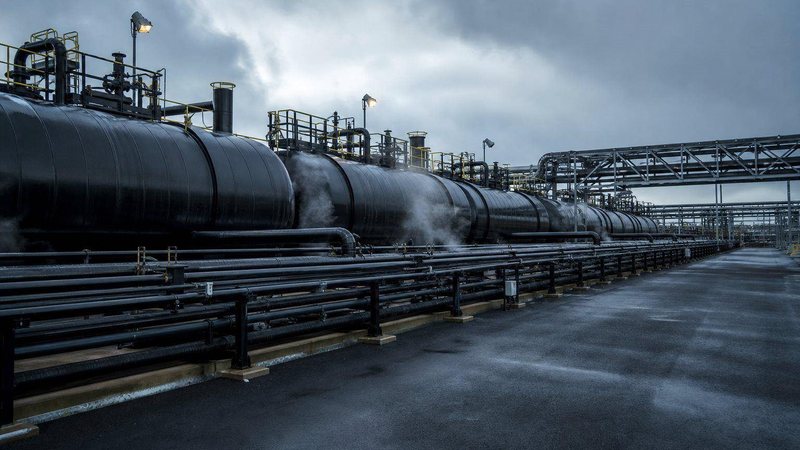
Bitumen & Asphalt Storage
Heated, insulated tanks at 150-180 °C for paving and polymer-modified binders.
Read more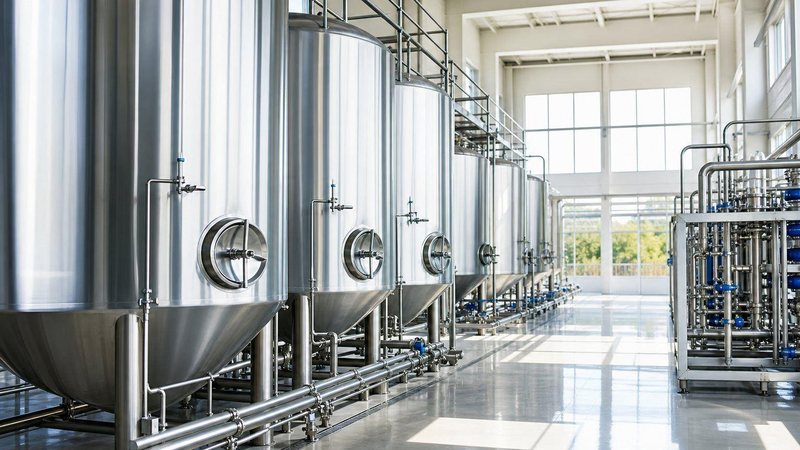
Vegetable Oil Storage
Food-grade tankage, previous-cargo control and gentle heating for edible and technical oils.
Read more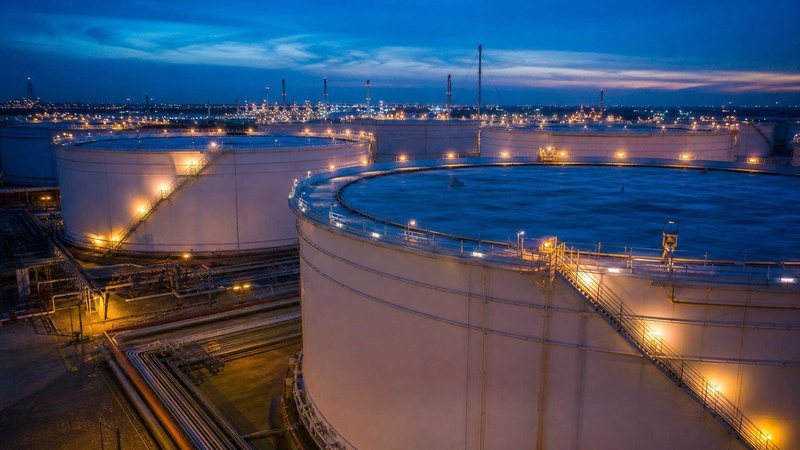
Crude Oil Storage
Floating-roof tankage, grade segregation, H2S control and blending to refinery spec.
Read more
Fuel Quality Specifications
ISO 8217, ASTM D975 and D1655, EN 590 and EN 14214: which spec governs which fuel.
Read moreNeed a heated tank?
Send the product, required temperature, volumes and season. We will propose a method and quote the cost basis.