


National Oil Companies
Lifting programs, term contracts and cross-border cargoes need a logistics partner that plans months ahead and documents every barrel. That is how we work with state-owned producers and importers.

A national oil company sells on behalf of a state. Its crude and products move under term contracts with lifting programs agreed months in advance, often priced off official selling prices, and every cargo can be examined later by auditors and ministries. Logistics partners are judged on two things: whether they hit the program, and whether their documents still hold up years afterward.
Many NOCs are also importers. Producing countries with limited refining buy gasoline and diesel for the home market, and some NOCs supply refineries they own abroad. We work on both sides of that trade: aggregating and loading exports, and receiving, testing, blending and forwarding imports in parcels sized for the destination.
Lifting programs, planned months out
A lifting program allocates cargoes to term buyers by month or quarter. Each lifting carries a laycan, the laydays and canceling window in which the buyer's vessel must arrive, and the window narrows as the date approaches. The program only works if tankage and berths are ready when each window opens.
We plan tank space against the published program, not against the month's receipts alone. When a buyer substitutes a vessel or a window moves, we re-run berth and tank availability the same day and confirm in writing what is possible.
Export logistics
Building an export cargo is an aggregation problem. Crude or product arrives by pipeline, barge or rail in parcels far smaller than the ship, and must be held, sampled and measured until a full cargo is ready. Draft is the next constraint. Most US Gulf Coast ports cannot load a fully laden VLCC alongside, so full cargoes are often completed by reverse lightering, with smaller vessels shuttling crude out to the larger ship offshore.
- Aggregation of inbound parcels into a cargo-sized stock
- Mixing to a homogeneous quality before the shore sample is drawn
- Loading to the nominated vessel and berth sequence
- Lightering coordination where berth draft limits the load
- Ullage reports, B/L figures and inspector certificates issued on completion
Import logistics for home markets
An NOC that imports fuel needs product that meets its national specification on arrival, in parcels sized for its own discharge ports. We receive larger cargoes, test them, blend or additize where the specification calls for it, and reload into smaller vessels or barges. Each outbound parcel is documented back to its source cargo, so a quality claim at destination can be traced to its origin.
The documents behind every cargo
Term contracts and letters of credit turn on documents. A cargo that is physically perfect can still go unpaid if the documents do not match the credit. We prepare and check the terminal-side documents against the contract and the credit terms before the vessel sails, not after the bank raises a discrepancy.
| Document | Usually issued by | What it proves |
|---|---|---|
| Bill of lading | Master or carrier | Cargo received on board and, if negotiable, title to it |
| Certificate of quantity | Independent inspector | Volume and weight loaded, from shore or ship figures |
| Certificate of quality | Independent inspector or laboratory | Test results against the contract specification |
| Certificate of origin | Chamber of commerce or competent authority | Country where the cargo was produced |
| Ullage report | Independent inspector | Ship tank measurements before and after loading |
| Time log and NOR | Master and terminal | Arrival, berthing and loading times used for laytime |
Sanctions and sovereign scrutiny
State-owned sellers and buyers deal with sanctions regimes, export controls and political attention that most private traders never see. We screen every counterparty, vessel and port call against applicable sanctions lists, including those published by the US Office of Foreign Assets Control (OFAC), before a nomination is accepted, and we keep that record with the cargo file.
How it works
- 1Program received
Your monthly or quarterly program and term-buyer allocations.
- 2Tank and berth plan
Tankage and berth windows reserved against each laycan.
- 3Vessel acceptance
Nominated vessel screened, cleared and confirmed for the berth.
- 4Loading and documents
Custody measurement, sampling, B/L and certificates.
- 5Outturn and reconciliation
Discharge figures compared with load figures and explained.
Frequently asked questions
Can you hold tankage for a full quarter's program?
Yes, once it is contracted. Program storage is usually agreed as dedicated capacity on take-or-pay terms for the program period. We do not hold tanks informally against an unsigned program, because that blocks space without a contract behind it.
Do you work with the inspector our buyers appoint?
Yes. Independent inspection is normally appointed by the buyer, the seller or both jointly under the contract. We give the appointed inspector access to tanks, meters, samples and records, and our own custody measurement is available for comparison.
Our cargoes are priced off an official selling price. Does that change anything?
Pricing stays between you and your buyer. What we provide is the physical and documentary evidence the price formula depends on, such as the B/L date, which often sets the pricing period, and the certified quantity loaded.
Do you load vessels for buyers you have not worked with before?
Only after the buyer, the vessel and its operator have been screened and the vessel has been accepted for the berth. New buyers go through KYC before a loading slot is confirmed, regardless of who introduced them.
Related
Marine Tanker Freight
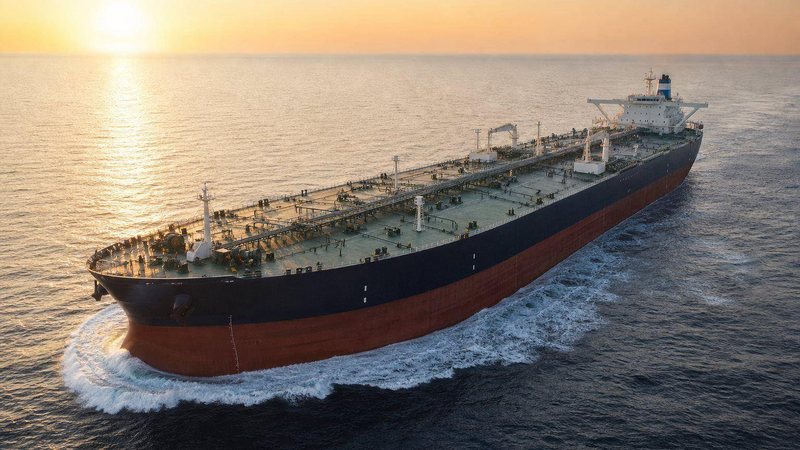
Tanker size classes, SIRE 2.0 vetting and Jones Act rules, matched to your parcel and both berths.
Read more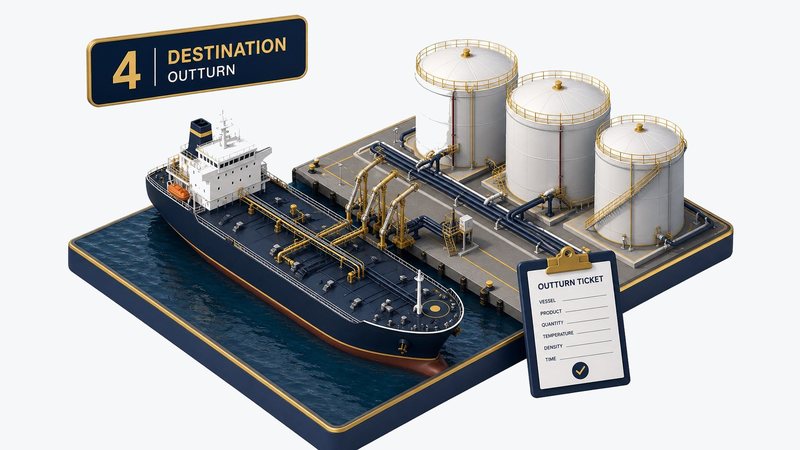
Laytime and Demurrage, Explained
NOR, laytime, demurrage and despatch, with a worked tanker claim using hypothetical figures.
Read more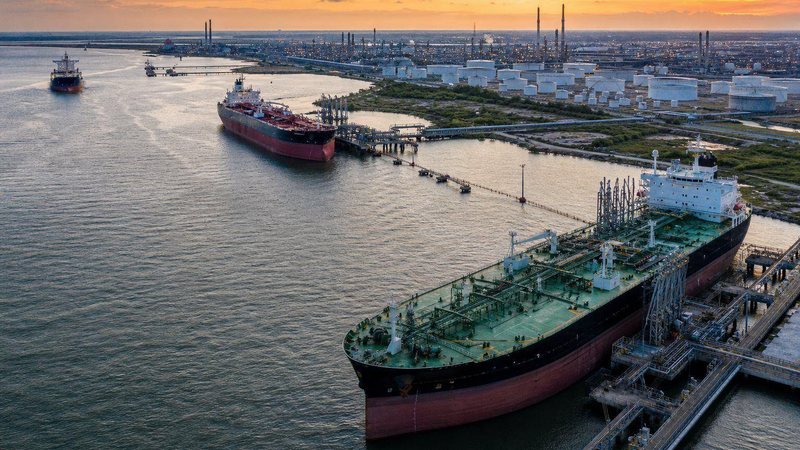
US Gulf Coast
Houston, Corpus Christi, LOOP and St. James: storage, freight and inspection we arrange on the Gulf.
Read more
Incoterms 2020 for Bulk Liquids
FOB, CFR, CIF and DAP for liquid cargoes, risk on board, and what replaced DES.
Read morePlan your next lifting program
Share the program period, grades and expected vessel sizes. We will set out the tankage, berth windows and freight options that fit.