


Biofuel and Renewable Fuel Producers
Renewable fuel value depends on paperwork as much as product. We store and move feedstocks and finished biofuels with a chain-of-custody record that stands up to audit.
A renewable fuel producer sells two things at once: a physical product and the environmental attributes attached to it. Credits and certificates under the federal Renewable Fuel Standard, state low carbon fuel standards and sustainability schemes such as ISCC often carry as much value as the fuel itself. Both depend on a record showing where each batch came from and where it went.
We handle the physical side with the record built in. Feedstocks such as used cooking oil (UCO), tallow and distillers corn oil arrive by truck, rail and barge. Finished biodiesel, renewable diesel, ethanol and SAF blending components leave the same ways. Every movement is measured, ticketed and tied to its certification references, so your auditor can follow a batch from receipt to delivery.
Feedstock logistics
Renewable feedstocks behave more like food oils than fuels. Tallow and some grades of used cooking oil solidify at ordinary temperatures and need heated storage and transport. Free fatty acid (FFA) content and MIU, the combined moisture, impurities and unsaponifiables, set the price and the pretreatment the plant needs. Feedstocks of different origin or certification status are kept apart, because mixing them can undermine the claims made on the finished fuel.
- Heated tanks for tallow, UCO and other high-melting feedstocks
- Segregation by feedstock type, origin and certification status
- FFA and MIU sampled on receipt and recorded per batch
- Receipts by truck, rail and barge into one batch record
Finished product handling
Each finished biofuel has its own handling profile. Some move almost exactly like conventional fuels; others need heat, dry storage or dedicated equipment. We store each to its specification and keep batch identity intact from receipt to outbound loading, so the product you sell is the product your records describe.
| Product | Specification | Storage notes |
|---|---|---|
| Biodiesel (FAME, B100) | ASTM D6751 | Heated in cold weather; cloud point and oxidation stability watched |
| Renewable diesel (HVO) | ASTM D975 | Handles like ULSD; kept segregated where credits depend on it |
| Fuel ethanol | ASTM D4806 | Absorbs water; internal floating roof and dry handling |
| SAF blending components | ASTM D7566 | Dedicated aviation handling and batch records |
Chain-of-custody models
Certification schemes recognize several ways of tracking sustainable material through a supply chain. Under identity preservation, a batch is kept physically separate from source to end user. Under segregation, certified material is kept apart from uncertified material but may be mixed with other certified batches. Under mass balance, the two may be physically mixed, and the sustainable share is tracked in a bookkeeping account.
The model is your decision, set by the scheme and by your customers. Our job is to run the tanks so that the model is physically true, and to keep records that let your auditor verify it without relying on our word. Where a tank serves a mass balance account, inputs and outputs are reconciled for each balancing period.
Records for credit and certification programs
Under the Renewable Fuel Standard, renewable identification numbers (RINs) are generated with the fuel and tracked through the EPA Moderated Transaction System (EMTS). Low carbon fuel standards assign each fuel pathway a carbon intensity score, and ISCC requires a sustainability declaration to travel with each delivery. The credits are yours to manage. We supply the physical evidence they rest on: volumes, dates, product identity and transfer documents.
How it works
- 1Receipt
Volume measured, sampled and logged with its sustainability declaration.
- 2Tank assignment
Batch placed in a segregated tank or booked to a mass balance account.
- 3Movements
Every transfer ticketed with batch and certification references.
- 4Outbound delivery
Loading documents carry the declaration reference forward.
- 5Period reconciliation
Inputs, outputs and stock reconciled for the balancing period.
Frequently asked questions
Can your storage sit inside our ISCC chain of custody?
Yes. We work to the chain-of-custody requirements of ISCC and similar schemes, keep the records they call for, and give your certification body access to audit them. Whether a storage site needs its own certificate depends on the scheme and on who owns the product, so confirm it with your certification body.
Can biodiesel and renewable diesel share a tank?
They can be blended, but sharing a tank merges two products with different specifications and often different credit values. We keep them apart unless you instruct a blend, and any blend is recorded with its component volumes so the credits can still be allocated correctly.
How do you store ethanol?
In tanks with internal floating roofs, kept as dry as possible, because ethanol absorbs water readily and wet ethanol can cause phase separation once blended into gasoline. Ethanol usually arrives by rail in DOT-117 tank cars or by barge.
Do you keep records for the RFS?
We keep the physical records that support your RFS compliance: product transfer documents, volumes, dates and the RIN information you provide for each transfer. RIN generation, separation and reporting in EMTS stay with the generating or obligated party.
Related
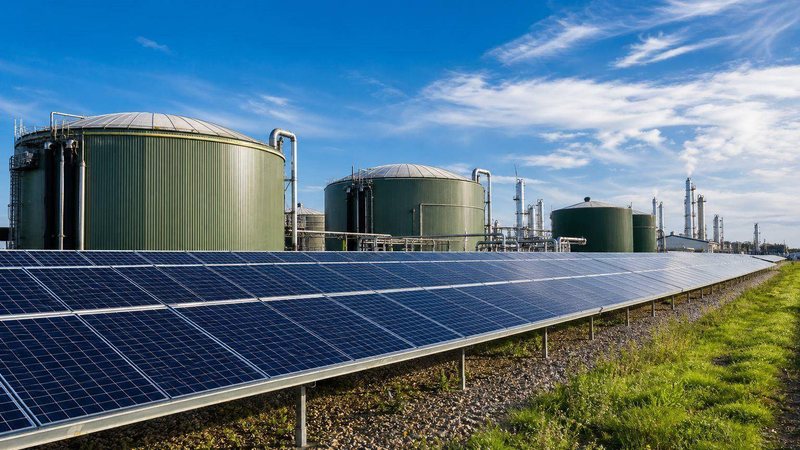
Renewables & Biofuels Storage
Ethanol, FAME, renewable diesel and SAF stored dry and warm, with records for ISCC and RINs.
Read more
Sustainability at the Terminal
Vapor control, leak detection, energy use and renewable-fuel handling, described as practice, not targets.
Read more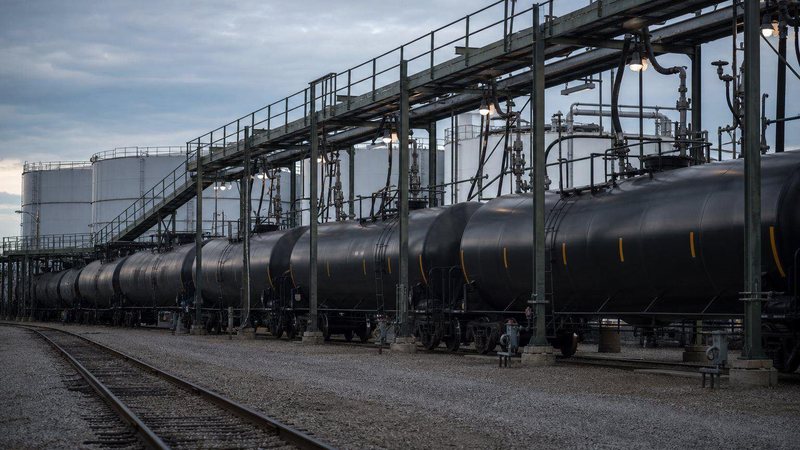
Rail Tank Car Transport
DOT-117 tank cars, unit trains, manifest service and transloading for crude, products and renewables.
Read more
Vegetable Oil Storage
Food-grade tankage, previous-cargo control and gentle heating for edible and technical oils.
Read moreBring your batches and your paperwork
Tell us the feedstocks, products, volumes and certification scheme. We will propose tankage and a record format that fits.