


Singapore
The bunkering and storage hub of Asia. We arrange tank capacity, product cargoes, ship-to-ship transfers and independent bunker and cargo inspection in Singapore.
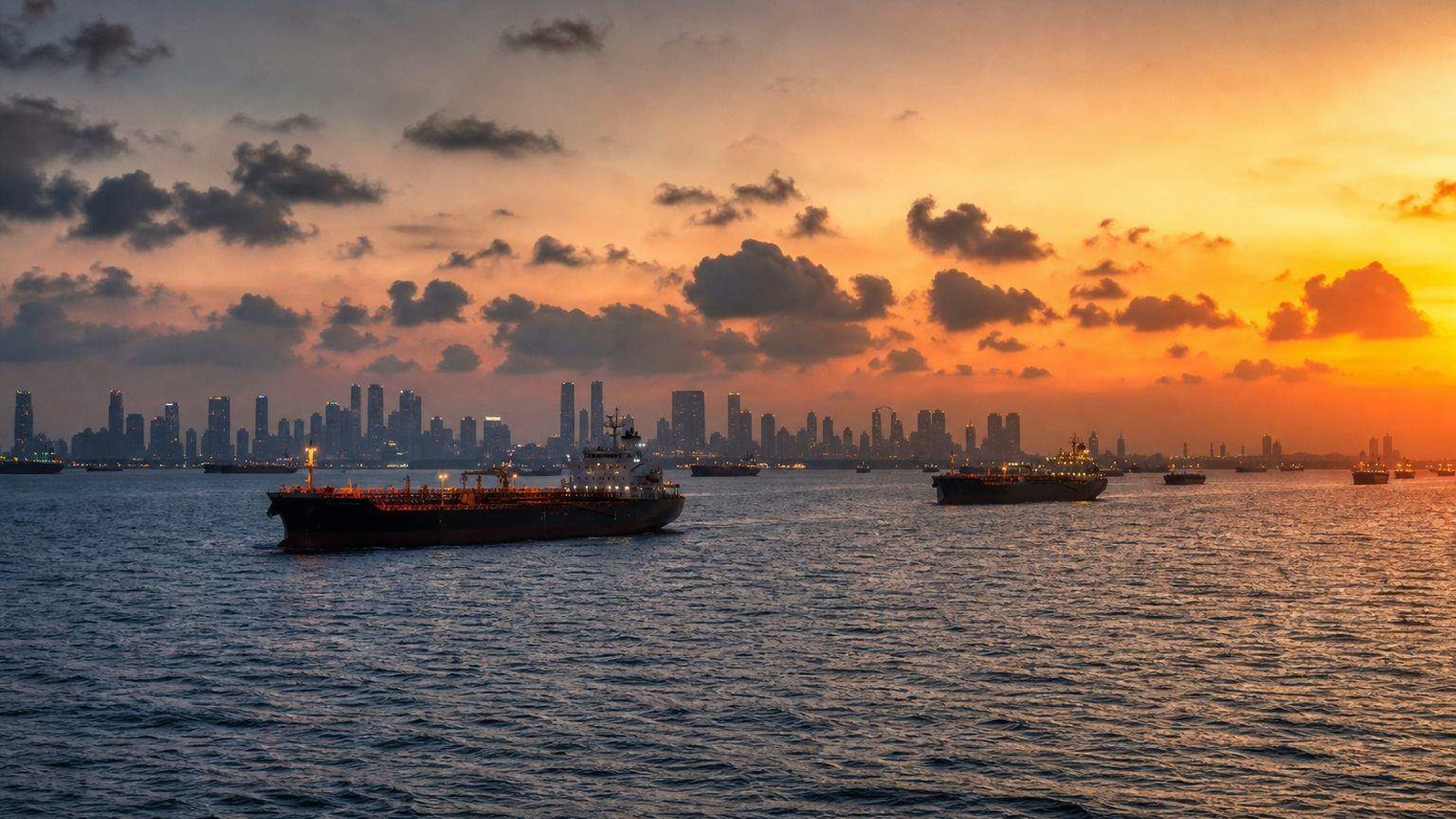
Singapore sits on the Singapore Strait, at the southern end of the Strait of Malacca, on the main sea route between the Middle East, Europe and East Asia. That position made it the largest bunkering port in the world by volume and the price reference for refined products in Asia: most regional product deals price against MOPS, the Mean of Platts Singapore assessment.
Behind the anchorages lies a dense storage and refining base. Jurong Island, built by joining smaller islands with reclaimed land, hosts refineries, petrochemical plants and independent terminals, and the Jurong Rock Caverns store liquid hydrocarbons underground. We arrange third-party storage here, fix product freight, coordinate ship-to-ship transfers and appoint independent inspectors for cargoes and bunker deliveries.
Bunkering: measured by mass flow meter
Bunker suppliers in Singapore are licensed by the Maritime and Port Authority of Singapore (MPA), and licensed bunker tankers deliver through mass flow meters rather than by tank soundings alone. A meter reduces the old disputes over cappuccino bunkers, where entrained air inflates a sounded volume. The ship still receives a bunker delivery note and a retained sample, as MARPOL Annex VI requires.
For clients who buy bunkers or blend marine fuel in storage, we appoint an independent surveyor to witness the meter readings, seals and sampling at the manifold, and we check the fuel against the ISO 8217 edition named in the contract, now commonly ISO 8217:2024.
Marine fuel grades in Singapore
Since the IMO 2020 sulfur cap, the bunker market has split into grades by sulfur content and by whether the ship has an exhaust gas cleaning system, known as a scrubber. Bio-blended fuels have joined the range, and ISO 8217:2024 adds categories for fuels containing FAME biodiesel. Each grade needs its own tank segregation in storage.
| Grade | Sulfur limit | Typical buyer |
|---|---|---|
| VLSFO | 0.50% maximum | Ships without scrubbers outside emission control areas |
| HSFO | Above 0.50%, commonly up to 3.50% | Ships fitted with approved scrubbers |
| Low-sulfur MGO | 0.10% maximum | Ships entering emission control areas |
| Bio-blends such as B24 | Set by the base fuel | Owners lowering lifecycle emissions |
Storage and transshipment
Independent terminals in Singapore store fuel oil, gasoline components, naphtha, jet and gasoil, much of it awaiting blending or re-export. Cargoes arrive from the Middle East and leave for Australia, East Asia and the Pacific, often on LR and MR tankers. Ship-to-ship transfers at designated anchorages let traders split, combine or relay parcels without berthing.
We arrange storage sized to the parcel and the duration, in segregated tanks where blending or quality control requires it. Transfers are planned to the OCIMF ship-to-ship transfer guidance and each vessel's MARPOL Annex I STS operations plan, with an inspector measuring both ships before and after.
- Storage sourcing in independent terminals
- MR and LR product freight to Asia-Pacific destinations
- Ship-to-ship transfer planning at designated anchorages
- Independent cargo and bunker inspection
- Tracking from load port through Singapore to final discharge
Frequently asked questions
Why do so many product contracts price on MOPS?
MOPS is the daily Platts assessment of refined product values in Singapore. Because so much Asian product is traded, stored or blended there, buyers and sellers use it as a transparent reference and negotiate a premium or discount to it.
Do mass flow meters remove the need for a bunker surveyor?
They remove most quantity disputes, but a surveyor still adds value. The surveyor witnesses meter readings, seals and sampling, checks documents and records any problem before the bunker tanker leaves.
Can you arrange floating storage near Singapore?
We can charter a tanker for floating storage when shore tanks are full or when the market favors holding cargo. We plan the anchorage, STS operations and inspection, and the vessel stays on the tracker throughout.
Which fuel specification applies to my bunkers?
The one named in your supply contract. Many contracts still cite ISO 8217:2017; newer ones cite ISO 8217:2024. We test against the edition you bought, not the one that happens to be current.
Related

Fuel Quality Specifications
ISO 8217, ASTM D975 and D1655, EN 590 and EN 14214: which spec governs which fuel.
Read more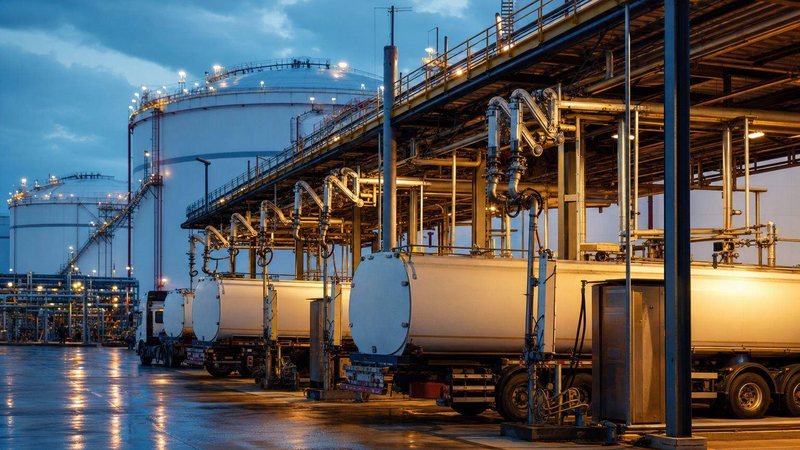
Refined Products Storage
Gasoline blendstocks, ULSD and jet fuel on segregated systems, with dye and additive injection.
Read more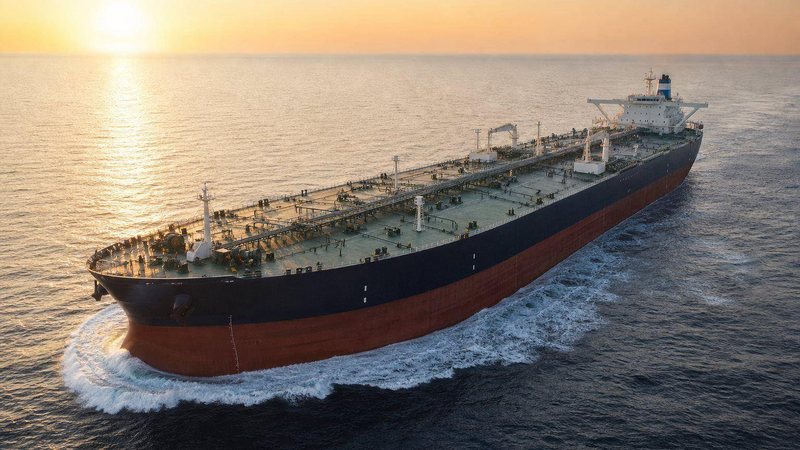
Marine Tanker Freight
Tanker size classes, SIRE 2.0 vetting and Jones Act rules, matched to your parcel and both berths.
Read more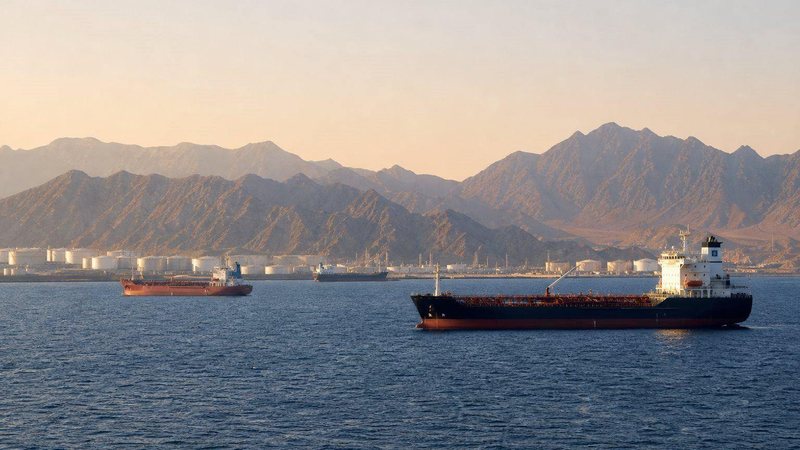
Fujairah
Storage, STS and freight on the Gulf of Oman, outside the Strait of Hormuz.
Read moreStore, ship or bunker in Singapore
Send product, grade, quantity and timing. We will propose storage, freight and inspection for your Singapore leg.