


Throughput Agreements
Storage fees pay for space. Throughput fees pay for movement. We set both out in writing, explain the commitments plainly and schedule the barrels through monthly nominations.
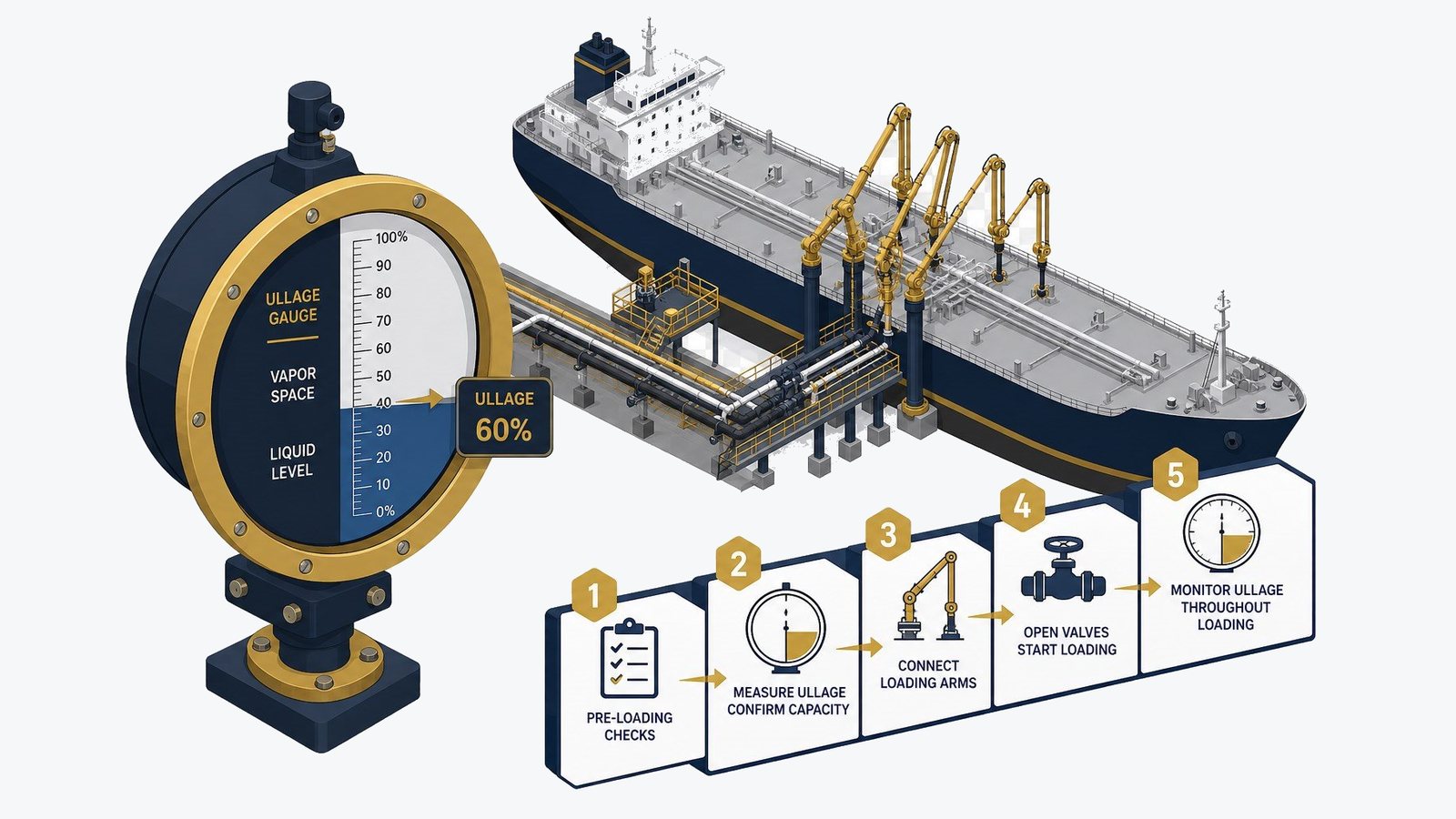
A terminal earns its keep in two ways: by renting space and by moving product through it. Most terminal contracts combine the two. A storage fee covers the capacity reserved for you, full or empty. A throughput fee covers each barrel received and delivered. The balance between them decides what a program costs per barrel, and who carries the risk if volumes fall short.
We write these terms plainly in the Tank Storage Agreement or a separate throughput agreement: committed volumes, included turns, fees, excess rates, shortfall terms and the nomination calendar. Each term is defined once and used the same way on every invoice and monthly statement. Nothing is reserved, invoiced or released outside a signed agreement with a verified counterparty.
Storage fees and throughput fees
Shell capacity is the full geometric volume of a tank. Working capacity is what can actually be received and drawn between the minimum and maximum operating levels. Fees are quoted on one or the other, and the difference can be material, so every quote and agreement we issue states which basis applies.
| Charge | What it pays for | Typical basis |
|---|---|---|
| Storage (capacity) fee | Reserved tank capacity, used or not | Per barrel of shell or working capacity per month |
| Throughput fee | Receipt and delivery handling | Per barrel moved |
| Included turns | Throughput covered by the storage fee | Turns per month or per year |
| Excess throughput fee | Volume above the included turns | Per barrel above the allowance |
| Deficiency payment | Shortfall against a take-or-pay commitment | Per barrel short of the minimum |
| Ancillary charges | Heating, blending, additives, nitrogen, cleaning | Per service, per barrel or per day |
Take-or-pay and shortfall
Under a take-or-pay throughput agreement, the customer commits to a minimum volume over a period and pays for that volume whether or not it moves. The terminal, in return, commits the capacity and service to handle it. A shortfall is billed as a deficiency payment at the agreed rate at the end of the measurement period.
Some agreements include make-up rights, so deficiency payments become credits against excess volumes later in the period. Others average volumes across a quarter or a year to smooth seasonal swings. Each option moves risk between the parties, and we show the effect in plain numbers before signature.
Excess throughput
When volumes run above the included turns, the extra barrels are billed at the excess throughput rate. A simple case shows how it works: if the monthly storage fee includes one turn and you move one and a half turns, half a turn is billed as excess throughput. This is an illustration of the mechanism, not our tariff, and actual rates are quoted per program.
Nominations and scheduling
Terminals run on nominations. A nomination states what product will arrive or leave, by which mode, in what quantity and in what date window. Pipeline nominations follow the pipeline's own cycle, and marine nominations tie to the laycan, the window in which a vessel may present for loading. We align the terminal calendar with each, so a conflict is flagged early.
How it works
- 1Monthly nomination
By the agreed cut-off, nominate next month's receipts and deliveries by product, mode and date window.
- 2Confirmation
We confirm tank, berth, rack or pipeline slots and flag any conflict.
- 3Revisions
Changes within the month are accepted where capacity allows and logged with time and reason.
- 4Movement
Each receipt and delivery is measured and posted to your inventory.
- 5Reconciliation
The month-end statement reconciles opening stock, movements, gains or losses and closing stock.
Frequently asked questions
Is throughput the same as storage?
No. Storage is the capacity reserved for you; throughput is the volume you move through it. A small tank turned often can generate more throughput than a large tank that sits full. Contracts usually price both, with some throughput included in the storage fee.
What happens to a deficiency payment if I move more later?
That depends on make-up rights. With them, deficiency payments become credits that offset excess throughput later in the defined period. Without them, the payment stands. We set out both cases before you sign.
Are product losses covered by the throughput fee?
No, loss allowance is a separate term. Most terminal agreements state a measured loss allowance and how gains and losses are shared. Our monthly statements show every receipt, delivery and measured difference, so the allowance can be checked.
Can I nominate at short notice?
Yes, where capacity and scheduling allow. Short-notice nominations are confirmed or declined quickly, with the reason, and the Tank-Farm Availability tool shows free and reserved tanks in the meantime.
Related
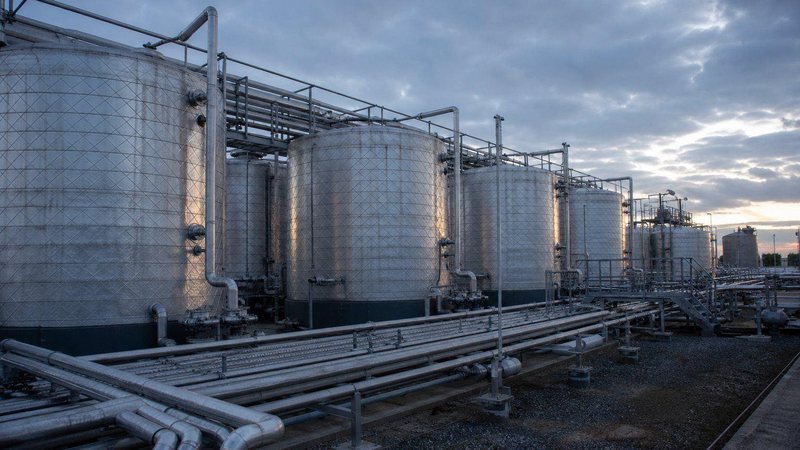
Tank Leasing: How Storage Deals Work
Dedicated or commingled, take-or-pay or throughput: how tank leases are priced and what to check.
Read more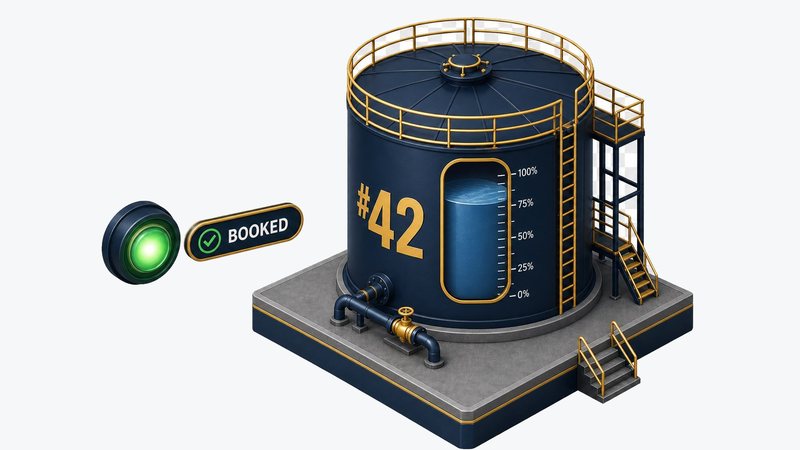
Tank-Farm Availability
Which tanks are free, reserved or booked, with days and price, and each tank farm on a map.
Read more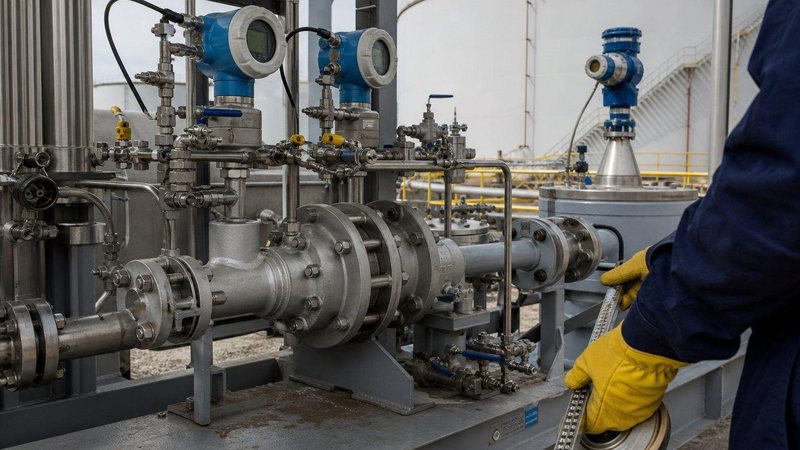
Custody Transfer Measurement
Tank gauging, meters and provers, sampling and volume correction to API MPMS standards.
Read more
Integrity & Fraud Prevention
How advance-fee oil-trade fraud works, what we never do, and how to verify a CorEnergy document.
Read morePricing a term program?
Send monthly volumes, products, modes and term. We will quote storage, throughput and excess rates side by side.