


Transportation & Chartering
We move crude, refined products, chemicals and renewables by water, rail, road and pipe, and we tie every leg back to the tank it left and the tank it reaches.
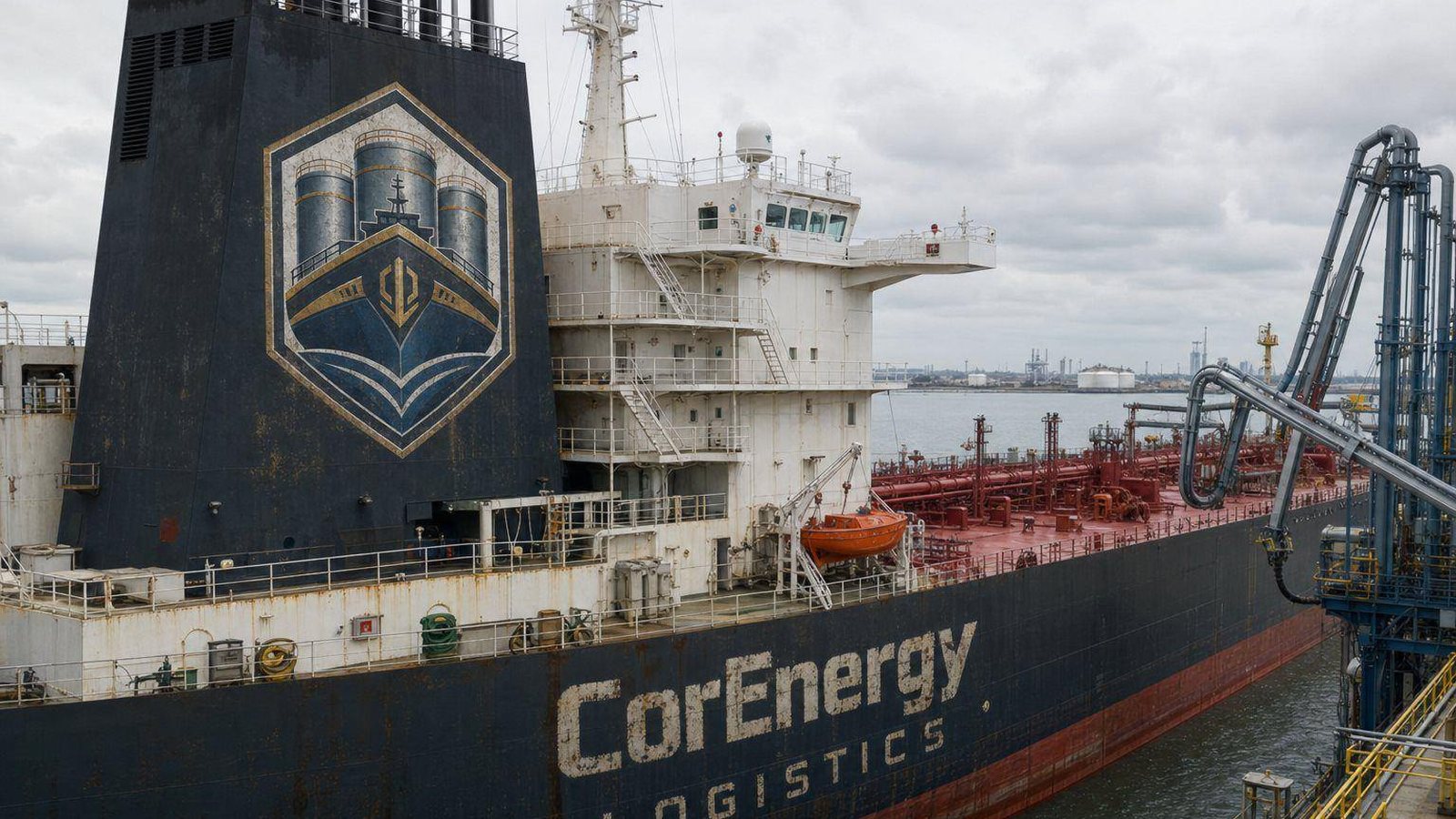
A barrel in storage earns nothing until it moves. We arrange the move: we fix tankers on the open market, book barge tows and tank cars, schedule truck loadings at the rack and nominate pipeline batches. Each leg is planned against the tank it leaves and the tank it reaches, so ullage is ready before the cargo arrives and quantity is measured at both ends.
One desk handles the paperwork that sits between the modes: charter parties, nominations, shipping papers, bills of lading and outturn reports. Every movement gets a tracking number that works on the public tracker and on a private link, in any language. That is how we hold to our motto: every barrel accounted for.
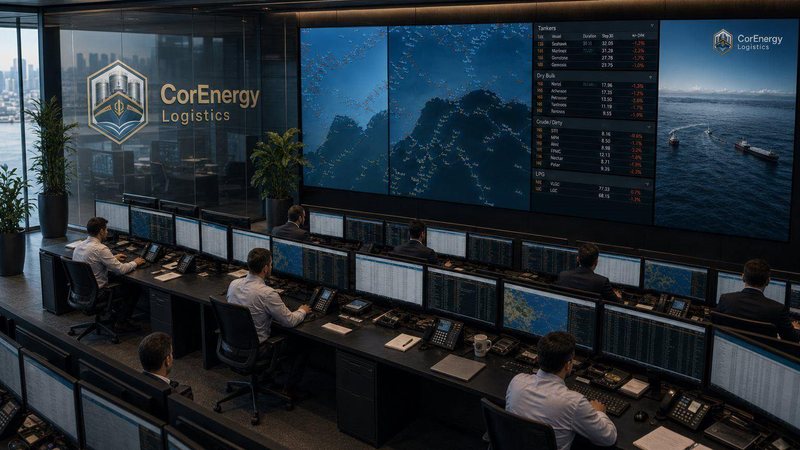
Chartering Desk
How we fix tonnage, read a charter party and keep laytime under control from enquiry to final claim.
Read moreIn this section
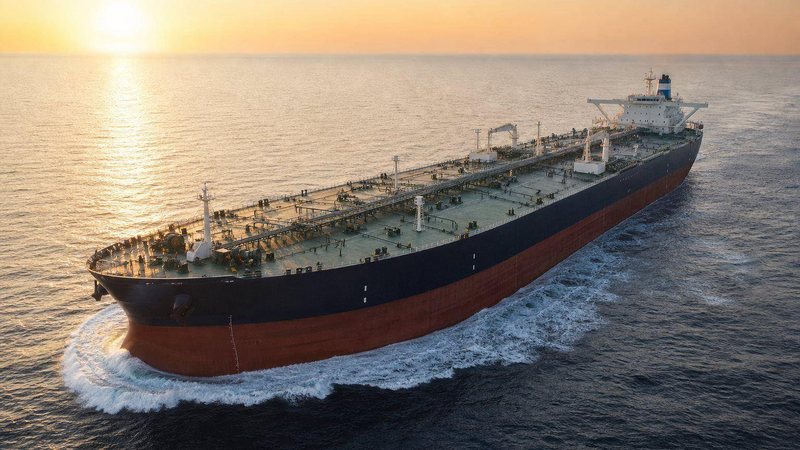
Marine Tanker Freight
Tanker size classes, SIRE 2.0 vetting and Jones Act rules, matched to your parcel and both berths.
Read more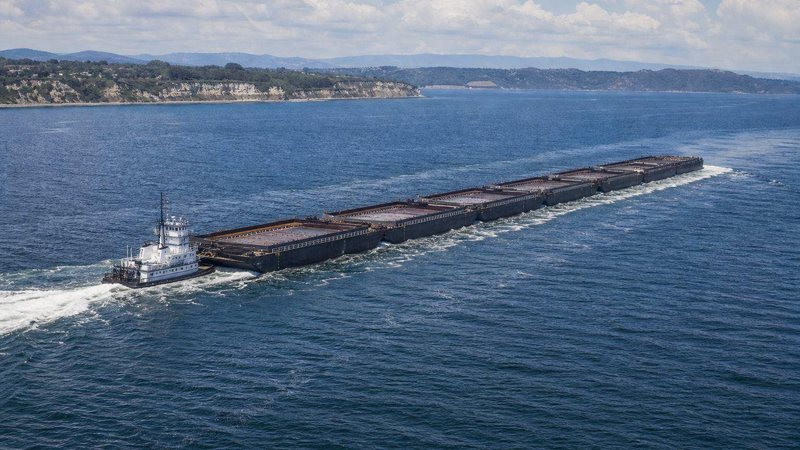
Tank Barge Transport
Inland tank barges, tows, ATBs and heated asphalt barges on US rivers, the Intracoastal and the coast.
Read more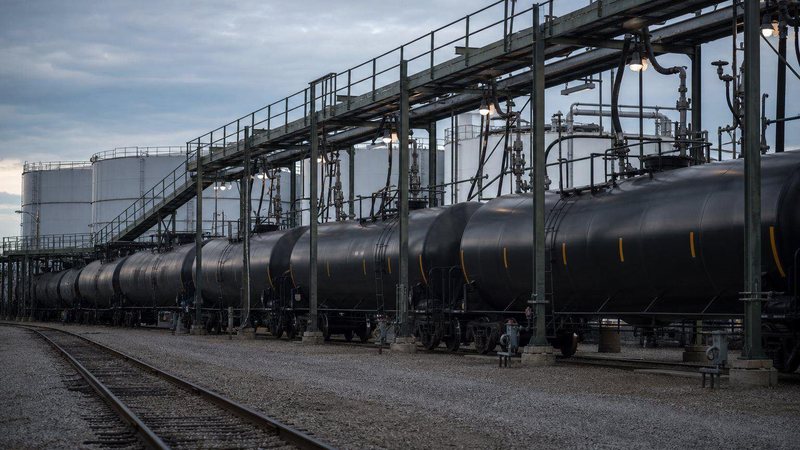
Rail Tank Car Transport
DOT-117 tank cars, unit trains, manifest service and transloading for crude, products and renewables.
Read more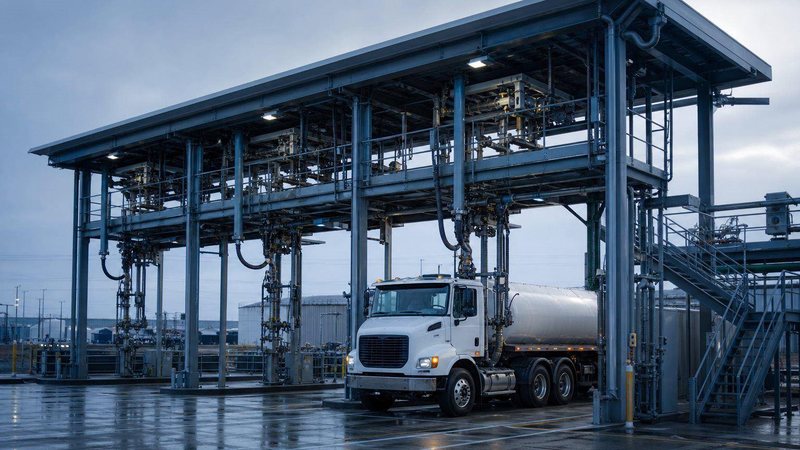
Tank Truck Transport
Cargo tank trucks and ISO tanks for rack loading, last-mile delivery and transload moves.
Read more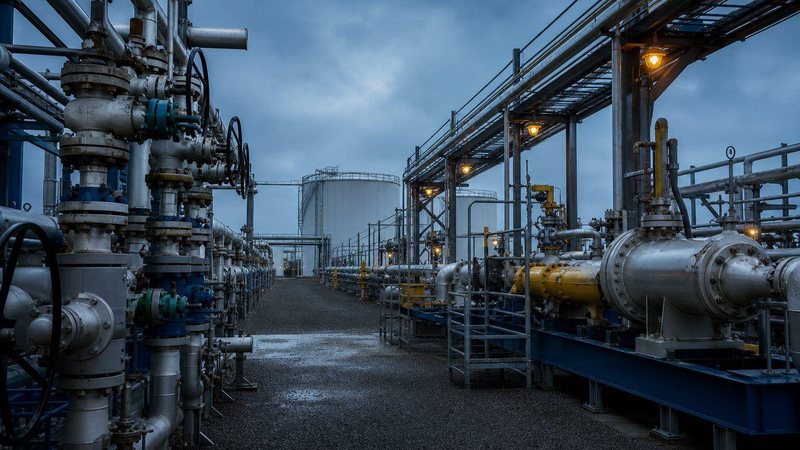
Pipeline Shipments
Common-carrier pipelines, FERC tariffs, nominations, batching and metered custody transfer.
Read moreChartering Desk
Voyage, time charter and COA fixtures, Worldscale freight, laytime and demurrage handled end to end.
Read moreFive modes, one chain of custody
Each mode suits a different distance, parcel size and product. Tankers carry the largest parcels across oceans. Barges serve rivers, the Intracoastal Waterway and coastal routes. Rail reaches inland origins and markets that pipelines do not. Trucks handle the last miles and small drops. Pipelines move steady volumes, usually at the lowest cost per barrel over land, once a shipper holds space on the line.
| Mode | Typical parcel | Where it fits |
|---|---|---|
| Marine tanker | Under 25,000 to over 320,000 DWT | Ocean and coastal trades, imports and exports |
| Tank barge | 10,000 to 30,000 bbl per inland unit | Rivers, Intracoastal Waterway, bunkering, coastwise ATBs |
| Rail tank car | About 700 bbl per DOT-117 car | Inland origins, unit trains, transloads |
| Cargo tank truck | About 8,000 to 9,500 gal | Rack loading and last-mile delivery |
| Pipeline | Batches set by tariff minimums | Steady flows between fixed points |
How we plan a movement
We start from the commercial terms. Under FOB the buyer usually arranges the vessel; under CFR or CIF the seller does. Once we know who carries the freight cost and risk, we match mode and size to the parcel, check terminal acceptance and vetting, confirm the load and discharge windows, and line up the independent inspector who will measure quantity and sample quality at each custody transfer point.
Tracked from the first nomination
Every movement we arrange appears on Cargo & Vessel Tracking, with each waypoint on a map and a plain-language status at each step. Buyers who have passed KYC can also see their allocation on the Buyer / Receipt-Holder Portal once product lands in tank. The same tracking number works on the public tracker and on a private link you can share.
Frequently asked questions
Which mode is cheapest for my cargo?
It depends on parcel size, distance, product and the infrastructure at each end. Pipelines are usually cheapest over land where space is available, barges compete well on waterways, and rail opens origins without pipe. We price the realistic options side by side, including terminal fees, demurrage exposure and inspection costs.
Can you combine modes on one cargo?
Yes. A common pattern is rail or barge into a terminal, storage in tank, then tanker or truck out. Each handover is a custody transfer point, so we arrange measurement and documents at every one and show each leg on the same tracking record.
Who arranges the vessel under FOB or CIF terms?
Under FOB the buyer nominates and charters the vessel and the seller loads it. Under CFR and CIF the seller contracts the freight, and under CIF also buys cargo insurance for the buyer. We can act for either side and work to the Incoterms 2020 rule written in your sales contract.
Related
Chartering Desk
Voyage, time charter and COA fixtures, Worldscale freight, laytime and demurrage handled end to end.
Read more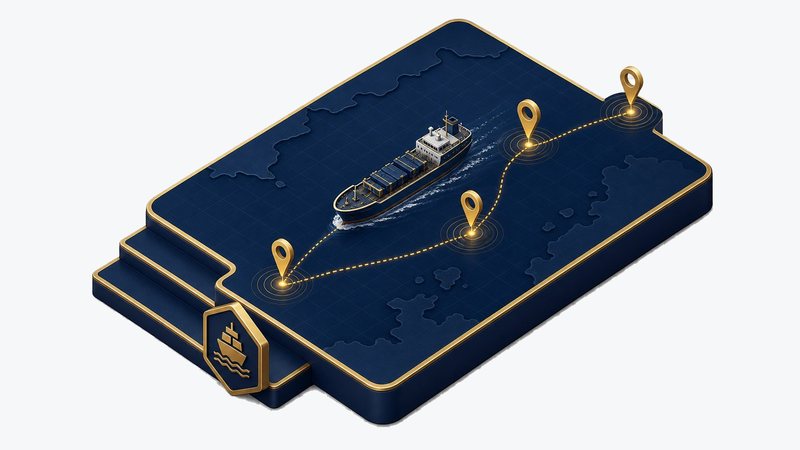
Cargo & Vessel Tracking
Every waypoint on a map, A to Z, with a plain-language status from nomination to custody transfer.
Read more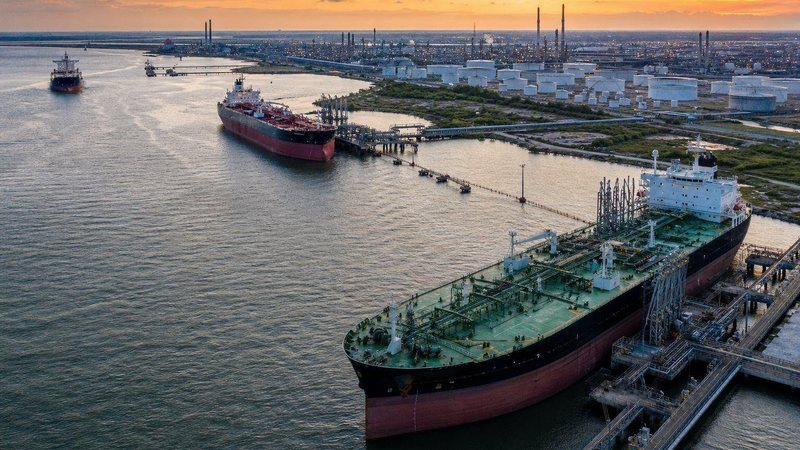
Incoterms 2020 for Bulk Liquids
FOB, CFR, CIF and DAP for liquid cargoes, risk on board, and what replaced DES.
Read more
Tanker and Conveyance Sizes
MR to VLCC, barges, ATBs, rail cars and trucks: typical sizes and what they carry.
Read morePrice a movement
Send us the product, quantity, origin, destination and dates. We come back with workable options by mode.