


Chartering Desk
We fix tankers for cargo owners, from first enquiry to final demurrage claim, on standard charter party forms, with every clock and cost written down before the ship arrives.
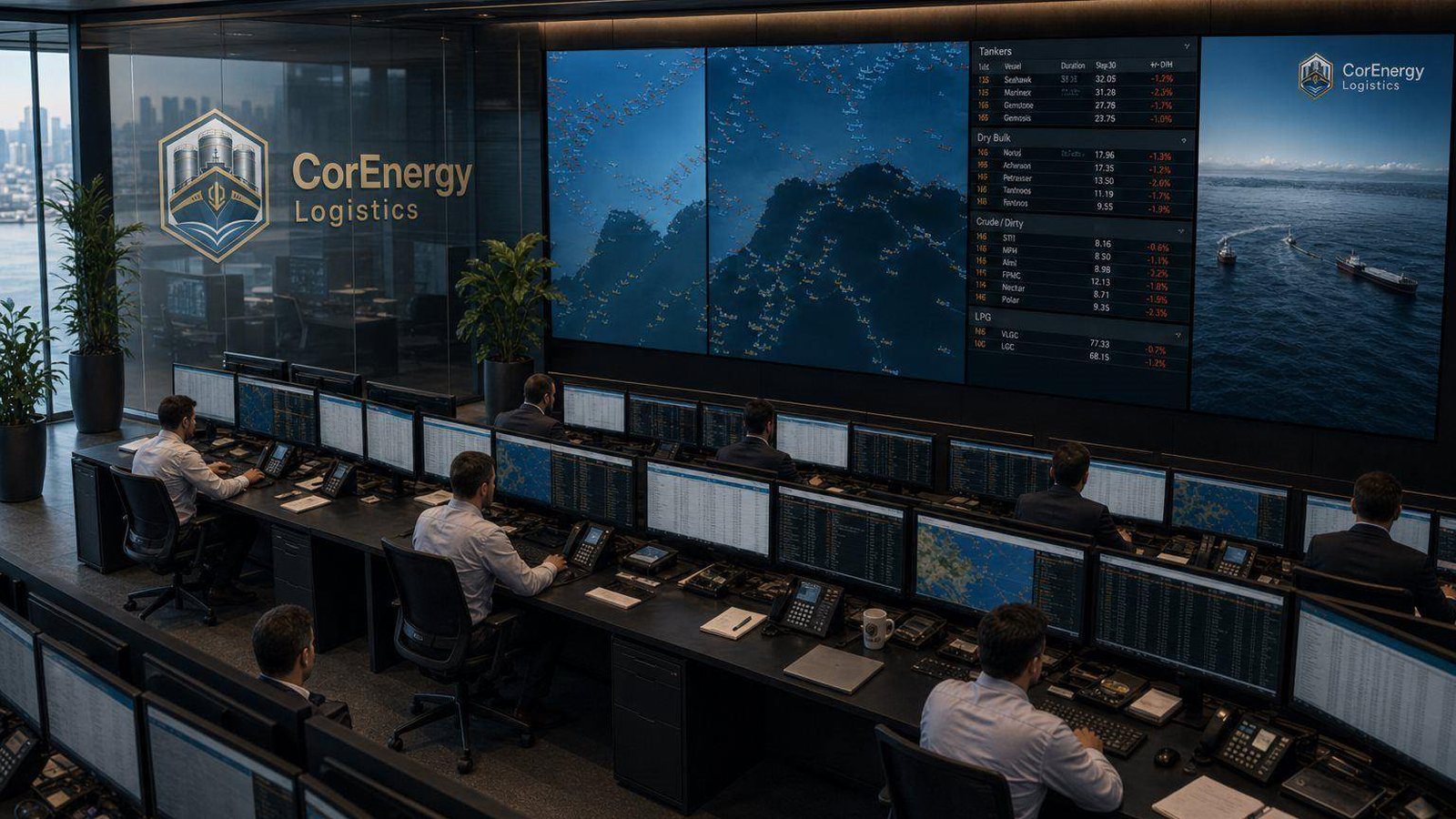
A tanker fixture is a short negotiation that sets a long list of obligations. The main terms, agreed between broker and owner, cover ship, cargo, ports, laycan, freight, demurrage and the charter party form. Everything else comes from the form and its riders. When those terms are vague or wrong, the cost appears weeks later as a demurrage or deadfreight claim.
Our desk works for cargo owners: refiners, traders, distributors and terminal customers who need a ship for a parcel. We fix tonnage on the open market, vet each ship before it is confirmed, run the voyage with owners and agents, and prepare laytime statements and demurrage claims when the voyage ends.
Voyage charter, time charter or COA
The charter type decides who carries the market and operating risks. Most spot cargoes move on voyage charters. Time charters suit customers with steady programs who want control of a ship. A contract of affreightment (COA) commits the owner to carry a set volume over a period, leaving the owner to choose which ship lifts each cargo.
| Term | Voyage charter | Time charter | COA |
|---|---|---|---|
| Paid as | Freight per ton, usually in Worldscale | Daily hire | Freight per ton for each lifting |
| Bunkers and port costs | Owner | Charterer | Owner |
| Speed and weather risk | Owner | Charterer, within the speed and consumption warranty | Owner |
| Time in port beyond laytime | Charterer pays demurrage | Charterer, as hire continues | Charterer pays demurrage |
| Common forms | ASBATANKVOY, BPVOY4, SHELLVOY 6 | SHELLTIME 4, BPTIME3 | Voyage form plus COA terms |
Worldscale and freight
Tanker voyage freight is usually quoted in Worldscale points. The Worldscale Association publishes a flat rate in US dollars per metric ton for each route, calculated for a notional standard tanker, and issues new rates every January. WS 100 is the flat rate itself; a fixture at WS 85 pays 85% of it. Because flat rates change each year, a WS figure means nothing without its year.
Freight is calculated on the bill of lading quantity, or on the minimum cargo quantity in the charter party if that is higher. If the charterer ships less than the agreed minimum, the shortfall is paid as deadfreight. Contracts of affreightment often carry a bunker adjustment clause, so freight follows fuel prices over the life of the contract.
Charter party forms
Most tanker voyage charters start from one of three printed forms, amended by the main terms and by long riders of standard clauses. The form matters most when something goes wrong: an invalid NOR, a ship waiting for a berth, cargo short on outturn. We read each charter party against the terminal rules at both ends and flag conflicts before fixing.
| Form | Origin | Character |
|---|---|---|
| ASBATANKVOY | Association of Ship Brokers and Agents (USA), 1977 | Short and widely used; usually extended with riders |
| BPVOY4 | BP voyage charter, fourth edition | Detailed oil-company form with its own laytime and claims provisions |
| SHELLVOY 6 | Shell voyage charter, sixth edition | Detailed form with full laytime, demurrage and time-bar clauses |
Laycan, NOR, laytime and demurrage
Laycan is the window of laydays and cancelling: laytime does not start before the first day without the charterer's consent, and the charterer may cancel if the ship is not ready by the last. Once the ship has arrived at the customary anchorage or berth and is ready in every respect, the master tenders notice of readiness (NOR). Under ASBATANKVOY, laytime starts six hours after NOR or on arrival in berth, whichever comes first.
Laytime is the time allowed for loading and discharging, often 72 running hours in total. Time beyond it is demurrage, paid at the daily rate in the charter party and pro rata for part days. Shifting from anchorage to berth does not count, and under ASBATANKVOY some causes, such as fire, explosion or storm, are paid at half rate. Claims must be filed with documents within the time bar, often 90 days.
Deviation, vetting and voyage orders
Deviation is departing from the agreed or customary route without permission. An unjustified deviation is a serious breach that can strip the owner of contractual protections, so any change in discharge port, ship-to-ship transfer or bunkering stop is agreed in writing and matched in the bills of lading.
- Vetting approval confirmed before subjects are lifted
- Voyage orders with terminals, grades, quantities and heating instructions
- Letters of indemnity only on standard wording, for discharge without original bills or at a changed port
- Daily position reports and ETA updates fed to the tracker
- Laytime statement and demurrage claim filed with supporting documents
How it works
- 1Enquiry
Cargo, quantity, ports, laycan and commercial terms received.
- 2Market and vetting
Suitable ships screened for size, berth fit and vetting status.
- 3Main terms
Freight, demurrage, laycan and form agreed, subject to listed conditions.
- 4Subjects lifted
Approvals confirmed and the fixture becomes clean.
- 5Recap and voyage orders
Full recap issued, voyage orders sent and tracking opened.
Frequently asked questions
What does "on subjects" mean?
Main terms are often agreed subject to conditions, such as management approval, vetting approval or shipper and receiver approval. Until those subjects are lifted, either side can walk away. A fixture is firm, or clean, only once every subject has been lifted.
When is a notice of readiness invalid?
An NOR tendered before the ship has arrived where the charter requires, before laycan opens without consent, or when the ship is not actually ready may be invalid. Whether and when laytime then starts depends on the form, the riders and the facts, which is why we record NOR times carefully.
Who pays demurrage when the receiving terminal is congested?
Under a voyage charter, waiting for a berth generally falls on the charterer once laytime has started, and the charterer may recover it from the seller or buyer under the sales contract. We align the demurrage terms in the charter party and the sales contract so the cost lands where the parties intended.
Related
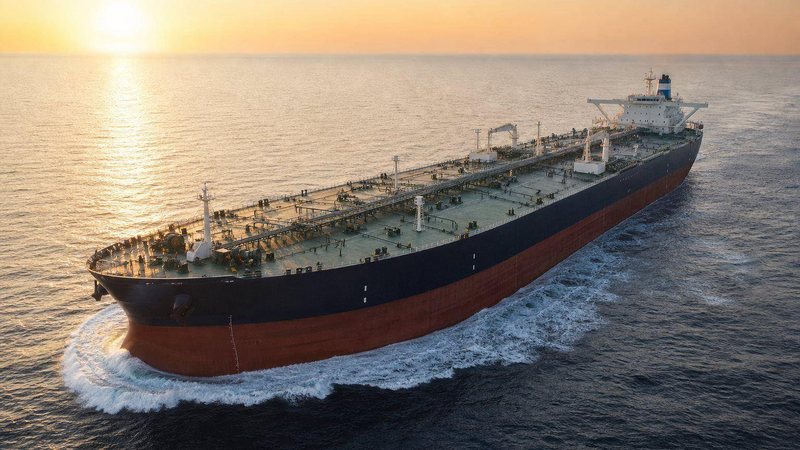
Marine Tanker Freight
Tanker size classes, SIRE 2.0 vetting and Jones Act rules, matched to your parcel and both berths.
Read more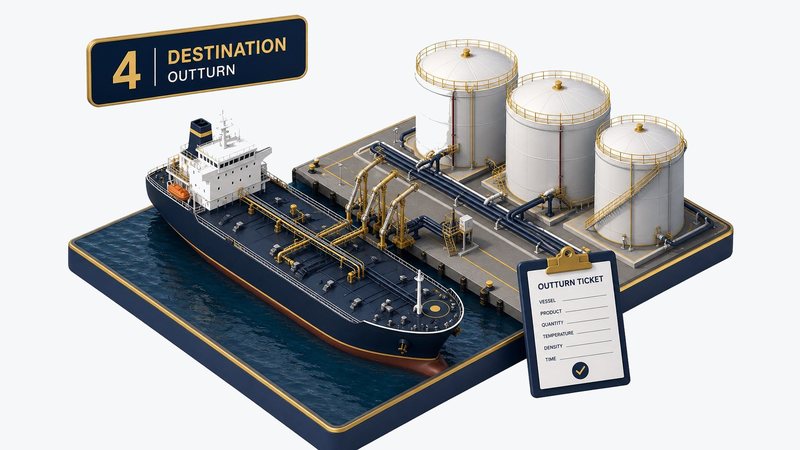
Laytime and Demurrage, Explained
NOR, laytime, demurrage and despatch, with a worked tanker claim using hypothetical figures.
Read more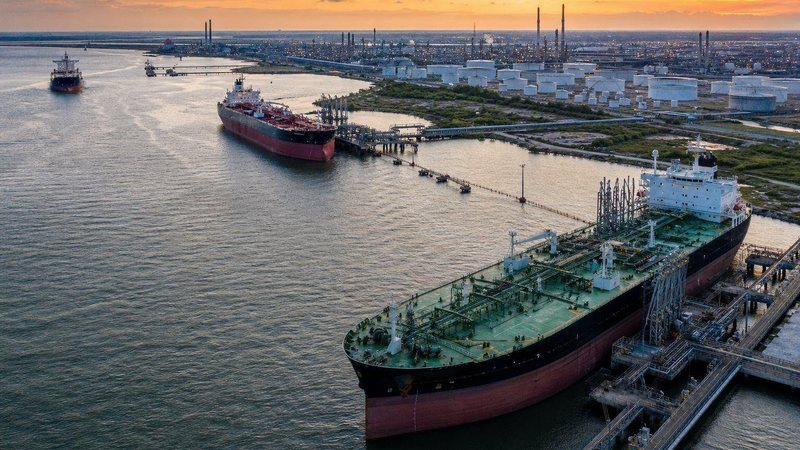
Incoterms 2020 for Bulk Liquids
FOB, CFR, CIF and DAP for liquid cargoes, risk on board, and what replaced DES.
Read more
Storage and Freight for Trading Houses
Optionality, contango storage, blending and quick turnarounds for physical oil traders.
Read morePut a cargo in the market
Send the cargo, ports, laycan and terms. Our desk replies with tonnage options and indicative freight.