


Network & Regions
One desk in Cheyenne, Wyoming. Six hubs where we arrange storage, freight, inspection and tracking for crude, refined products and other bulk liquids.

Our head office is at 1400 Dell Range Blvd, Cheyenne, Wyoming. Cheyenne sits on the Rocky Mountain crude and refined-products corridors, where barrels move by pipeline and rail toward the Midcontinent and the Gulf. That keeps our desk close to the questions inland shippers ask every day: line space, batch timing, railcar turns and tank room at the end of the line.
From Cheyenne the desk covers six hubs where much of the seaborne oil and bulk-liquid trade is stored, blended, bunkered or transshipped. At each one we arrange third-party storage, freight, independent inspection and tracking. Where a hub page says we arrange or cover something, our desk sources and manages it on your behalf; it is not a claim to a facility.
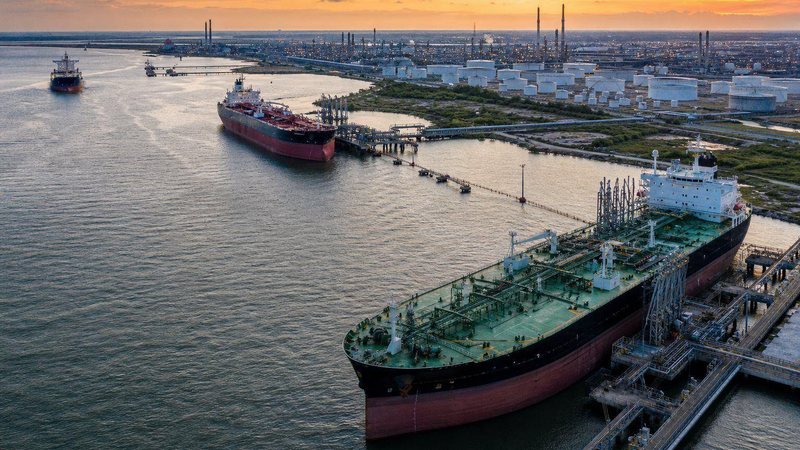
US Gulf Coast
The US Gulf Coast is the natural seaward exit for Rocky Mountain and Midcontinent barrels, and the hub our inland clients ask about most.
Read moreIn this section
US Gulf Coast
Houston, Corpus Christi, LOOP and St. James: storage, freight and inspection we arrange on the Gulf.
Read more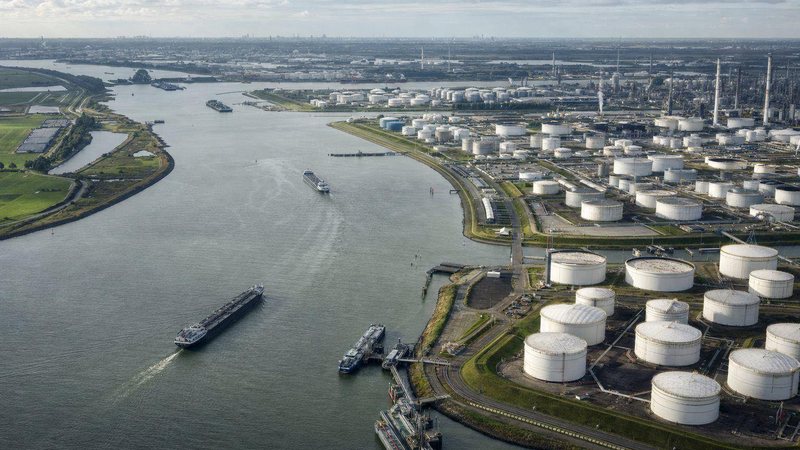
ARA: Amsterdam-Rotterdam-Antwerp
Storage, blending and Rhine barging across Amsterdam, Rotterdam and Antwerp.
Read more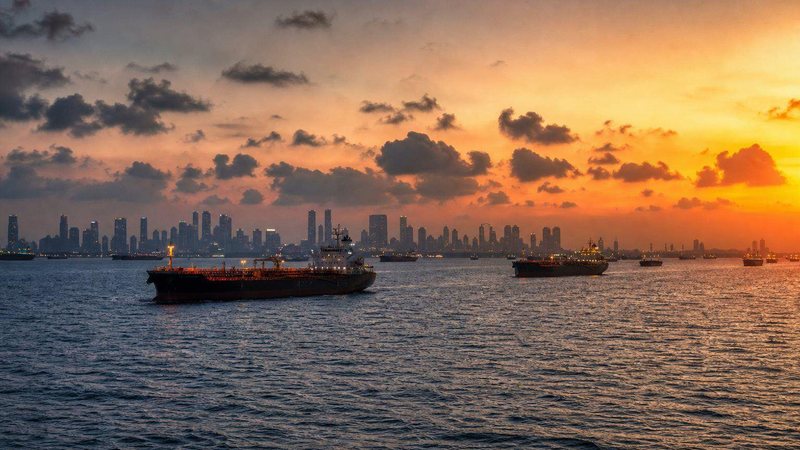
Singapore
Bunkering, storage and product cargoes in Asia's main oil hub, with independent inspection.
Read more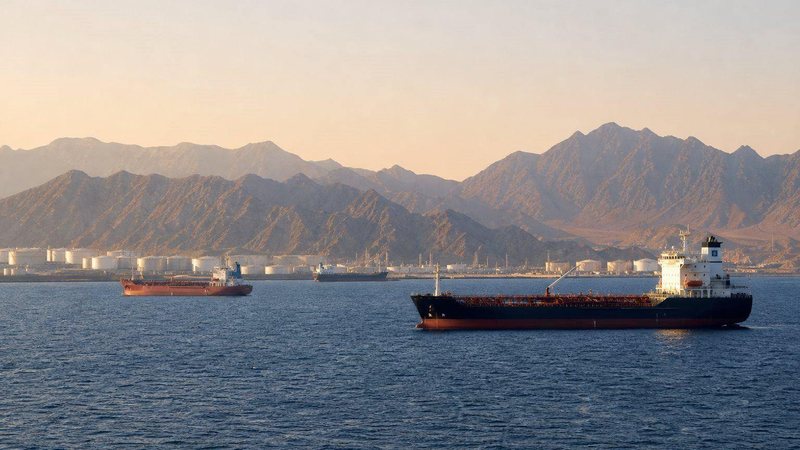
Fujairah
Storage, STS and freight on the Gulf of Oman, outside the Strait of Hormuz.
Read more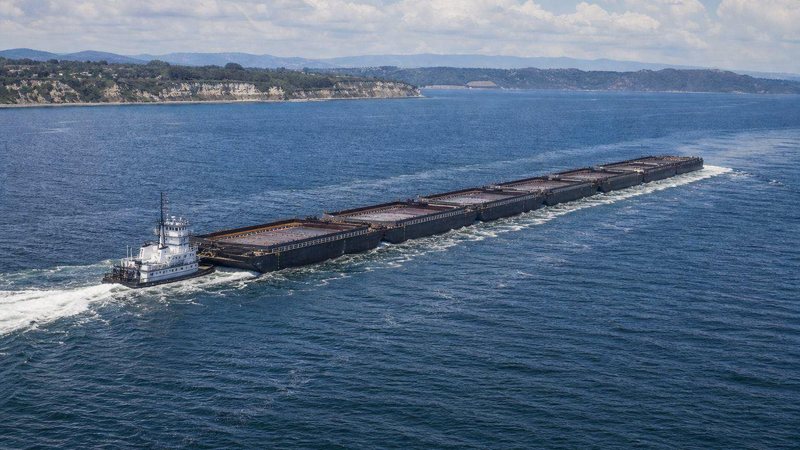
Caribbean
Transshipment, storage and island supply across the Caribbean basin.
Read more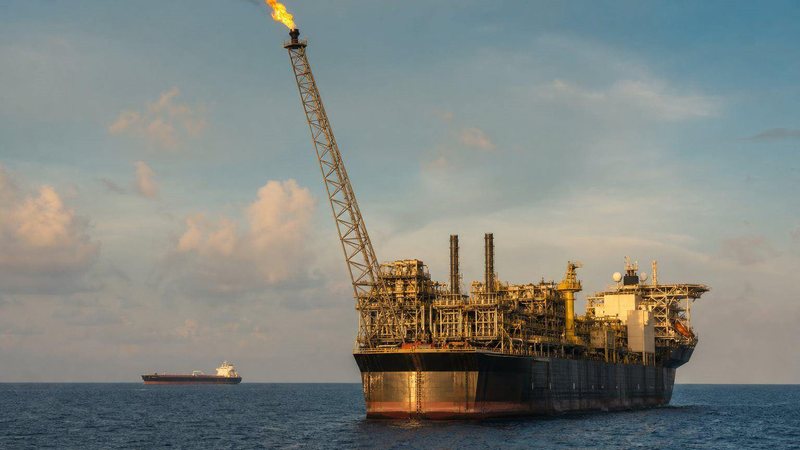
West Africa
Product imports, floating storage and lightering into West African ports.
Read moreWhy a Rocky Mountain head office works
Crude from the northern Rockies and Canada moves through Wyoming by pipeline, with Guernsey as a key interchange. Products reach Front Range markets by pipeline and truck, and rail main lines through Cheyenne run east toward the Midcontinent. An inland barrel's route to tidewater starts with line allocation and rail scheduling, not with a ship.
- Pipeline nominations and batch timing on Rocky Mountain systems
- Rail routing for crude and products toward Gulf and coastal terminals
- Truck dispatch for short-haul and last-mile deliveries
- A Mountain Time desk that overlaps the working day on both US coasts
What the desk arranges at every hub
The service is the same in every region; local rules, vessel sizes and weather change. We source tank capacity that fits the grade and duration, fix freight on vetted conveyances, appoint independent inspectors and put every movement on a tracking number that works on the public tracker and on a private link, in any language.
| Hub | Main role in the trade | What we arrange there |
|---|---|---|
| US Gulf Coast | Refining, crude and product exports | Storage, Jones Act and export freight, inspection |
| ARA | Northwest Europe storage and blending | Storage, Rhine barging, blending supervision |
| Singapore | Bunkering and Asian storage | Storage, product cargoes, bunker quality checks |
| Fujairah | Bunkering and storage outside Hormuz | Storage, STS, regional freight |
| Caribbean | Transshipment and island supply | Storage, relay freight, weather planning |
| West Africa | Product imports, floating storage | Offshore storage, lightering, inspection |
One movement, one record
A cargo that starts in a Wyoming tank and ends in a Rotterdam tank changes custody several times. Each change is a measurement event: a tank gauge, a meter ticket, a vessel ullage report, a shore outturn. We record each one against the same tracking number so the loss or gain at every hand-off is visible, not discovered at the end. Every barrel accounted for is a method, not a slogan.
Frequently asked questions
Does CorEnergy own terminals at these hubs?
Our hub pages describe what we arrange or cover: third-party storage, freight, inspection and tracking. Terminals where we hold owned or leased capacity appear on our Terminals page with live availability. We do not claim facilities at a hub unless they are listed there.
Why is the head office in Cheyenne rather than on the coast?
Many of our clients move inland barrels first. Cheyenne sits on the Rocky Mountain pipeline and rail corridors, so the desk handles line space, railcar scheduling and inland storage directly before cargoes reach tidewater.
Can I track a movement that crosses two regions?
Yes. One tracking number follows the cargo from origin to destination, including inland legs, ocean voyages and transshipment. Every waypoint appears on the map, on the public tracker or on a private link you share with your counterparties.
Related
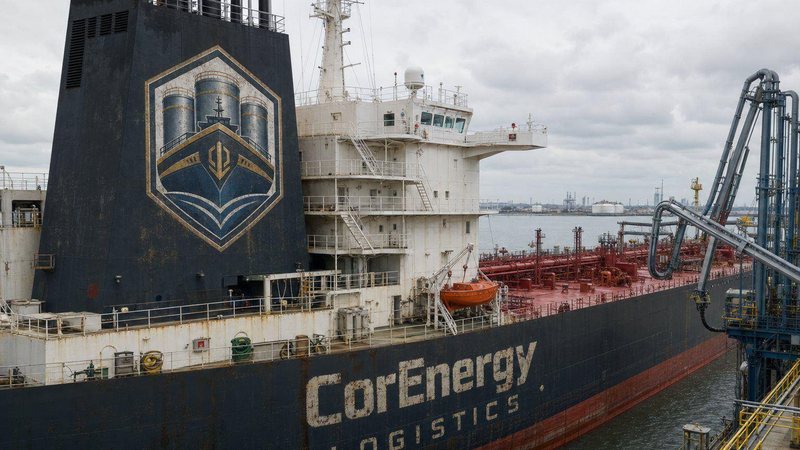
Transportation & Chartering
Tanker, barge, rail, truck and pipeline freight, arranged and tracked as one chain of custody.
Read more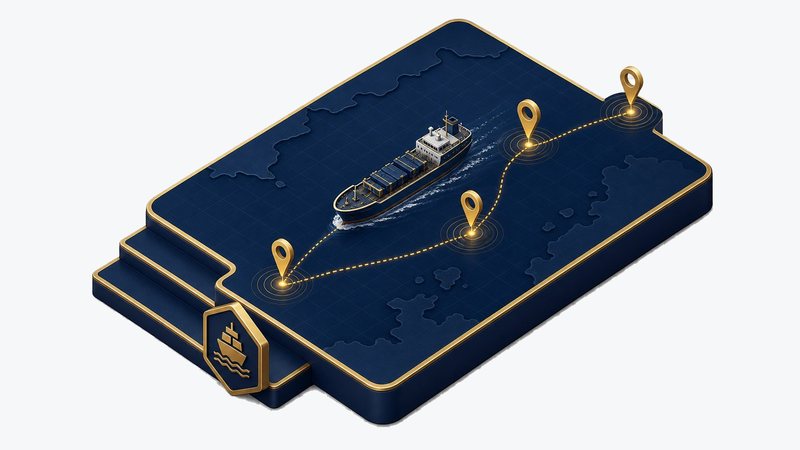
Cargo & Vessel Tracking
Every waypoint on a map, A to Z, with a plain-language status from nomination to custody transfer.
Read more
Our Terminals
Owned and leased tank capacity, segregated grades, heating and measurement, with live availability.
Read morePlan a movement across hubs
Send origin, destination, product, quantity and laycan. Our desk replies with routing options and the storage and freight we can arrange.