


Independent Refiners
A refiner without a trading arm or captive pipeline lives on logistics: crude in on time, intermediates parked during outages, products out before the tankage tops out.
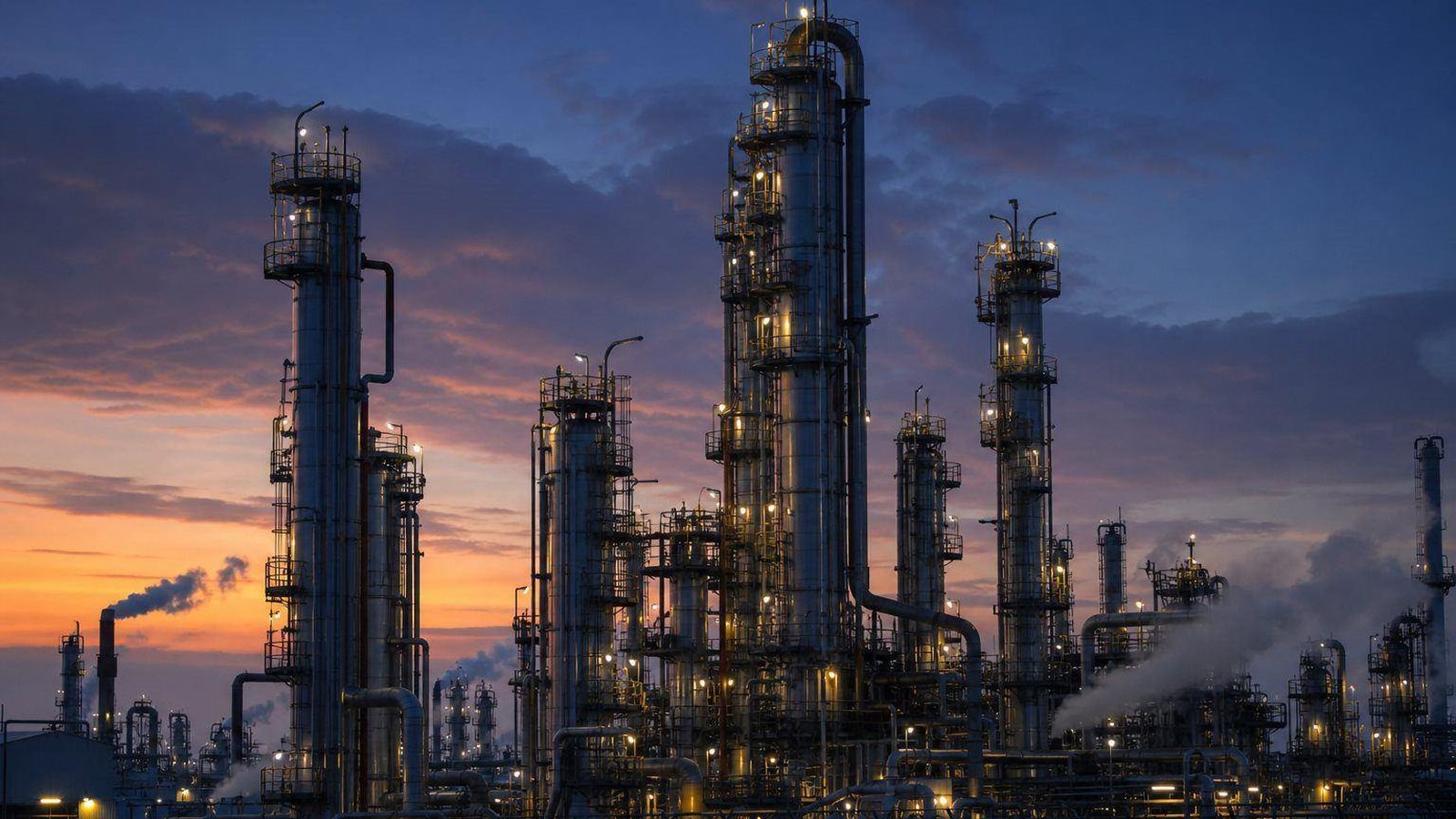
An independent refiner competes on margin, and margin depends on logistics as much as on process units. The crude slate is bought opportunistically, so cargoes arrive in mixed grades and at uneven intervals. Intermediates pile up whenever a downstream unit trips or goes into turnaround. Finished products must leave as fast as they are made, because a refinery whose product tanks are full has to cut runs.
We work as an extension of the refinery tank farm. We stage and blend crude ahead of the unit, park intermediates while the process unit that needs them is down, and take finished product away by barge, pipeline, rail or truck. The aim is simple: keep the crude unit at the rate your planner wants, whatever happens elsewhere in the plant.
Crude slate logistics
Merchant refiners buy the crude that makes money this month, which is often not the crude they ran last month. That brings three logistics problems: timing, quality and compatibility. A cargo bought at a discount may arrive before there is room for it. A heavy sour grade may need blending with a lighter crude to stay inside the unit's limits for sulfur, gravity and total acid number (TAN).
Some blends are also incompatible. Mixing a light paraffinic crude with a heavy asphaltenic one can precipitate asphaltenes, which foul preheat exchangers and build tank sludge. We stage cargoes in segregated tanks, check the compatibility of the blend you specify before it is made, and deliver the blended feed to the refinery gate on your schedule.
- Segregated staging for high-TAN, high-sulfur or high-H2S grades
- Blending to target API gravity, sulfur and TAN
- Compatibility testing before blending, not after
- Delivery by pipeline, barge or rail to match the run plan
Intermediates: parking feed during outages
When a process unit is down, the units upstream of it keep making its feed. Without somewhere to put that material, the crude unit has to slow down too. Third-party tankage for intermediates lets the rest of the refinery keep running through a turnaround or an unplanned outage, and the stored feed goes back to the unit when it restarts.
| Intermediate | Typical route in the refinery | Storage needs |
|---|---|---|
| Straight-run naphtha | Crude unit to reformer or isomerization unit | Internal floating roof, vapor control |
| Vacuum gas oil (VGO) | Vacuum unit to FCC or hydrocracker | Heated tank, high pour point |
| Atmospheric residue | Crude unit to vacuum unit, coker or fuel oil blending | Heated and insulated tank |
| Light cycle oil (LCO) | FCC to distillate hydrotreater | Segregated to protect diesel sulfur |
| Reformate and alkylate | Reformer and alkylation unit to gasoline blending | Internal floating roof, quality segregation |
| Unfinished distillate | Crude unit to hydrotreater for ULSD | Kept apart from finished ULSD |
Product evacuation before tank tops
"Tank tops" is the point at which product tankage is full. A refinery that reaches it must cut throughput, whatever the margin. Evacuation capacity is therefore worth paying for even in months when it goes unused. We hold contracted space and transport so that gasoline, diesel, jet and fuel oil can leave when the refinery's own outlets are constrained.
- Pipeline receipts from the refinery into terminal tankage
- Barge loading for inland and coastal delivery
- Rail and truck loading for regional customers
- Short-notice storage when a pipeline cycle or vessel slips
Frequently asked questions
Can you store VGO and residue hot?
Yes, in heated tankage. VGO and atmospheric residue often have pour points above ambient temperature and must be kept warm enough to pump. We agree a temperature range with you, record it daily and charge heating separately, because the cost depends on product, season and dwell time.
Will you blend crude to our recipe?
Yes. You specify the components, ratios and target properties. We check compatibility, blend in tank or in line, and test the result before delivery. The recipe remains yours, and we report as-blended quality and volumes so your planners can update the refinery LP model.
What happens if our turnaround overruns?
Turnarounds often run long, so outage storage contracts should include an extension option at agreed rates. If one is not in place, we tell you as early as possible whether the tank can stay allocated or is committed elsewhere, so you can plan the alternative.
Can you handle our products for export?
Yes. Finished products can be aggregated in our tankage and loaded onto tankers for export. Our freight desk arranges the vessel if you need one, and the cargo documents, laycans and inspections are handled the same way as for any export cargo.
Related
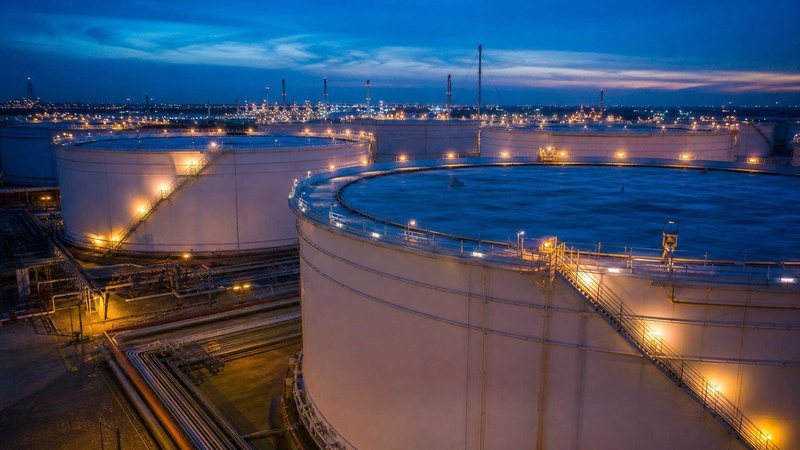
Crude Oil Storage
Floating-roof tankage, grade segregation, H2S control and blending to refinery spec.
Read more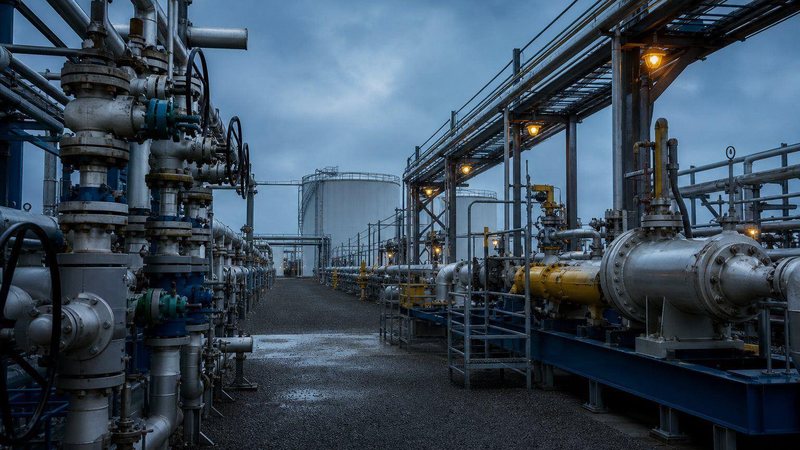
Tank & Line Heating
Steam, thermal oil and heat tracing for viscous products, with logged temperatures and clear pricing.
Read more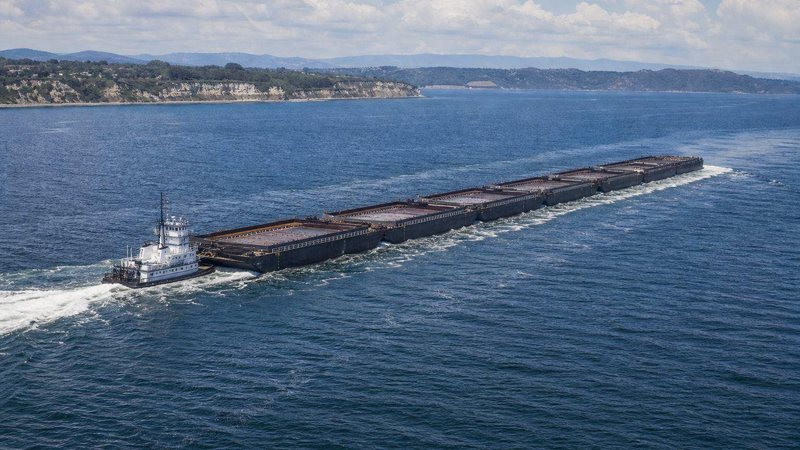
Tank Barge Transport
Inland tank barges, tows, ATBs and heated asphalt barges on US rivers, the Intracoastal and the coast.
Read more
Blending & Additization
In-tank and inline blending and additive injection, verified by ASTM testing before release.
Read moreCover your next turnaround
Tell us the dates, the streams and the volumes. We will propose tankage, heating and transport to keep your crude unit running.