


Base Oil Storage
Base oils are sold on cleanliness and consistency. We keep each grade in its own dry, clean tank and move it to blenders and packers without adding water, dirt or a trace of the last grade.
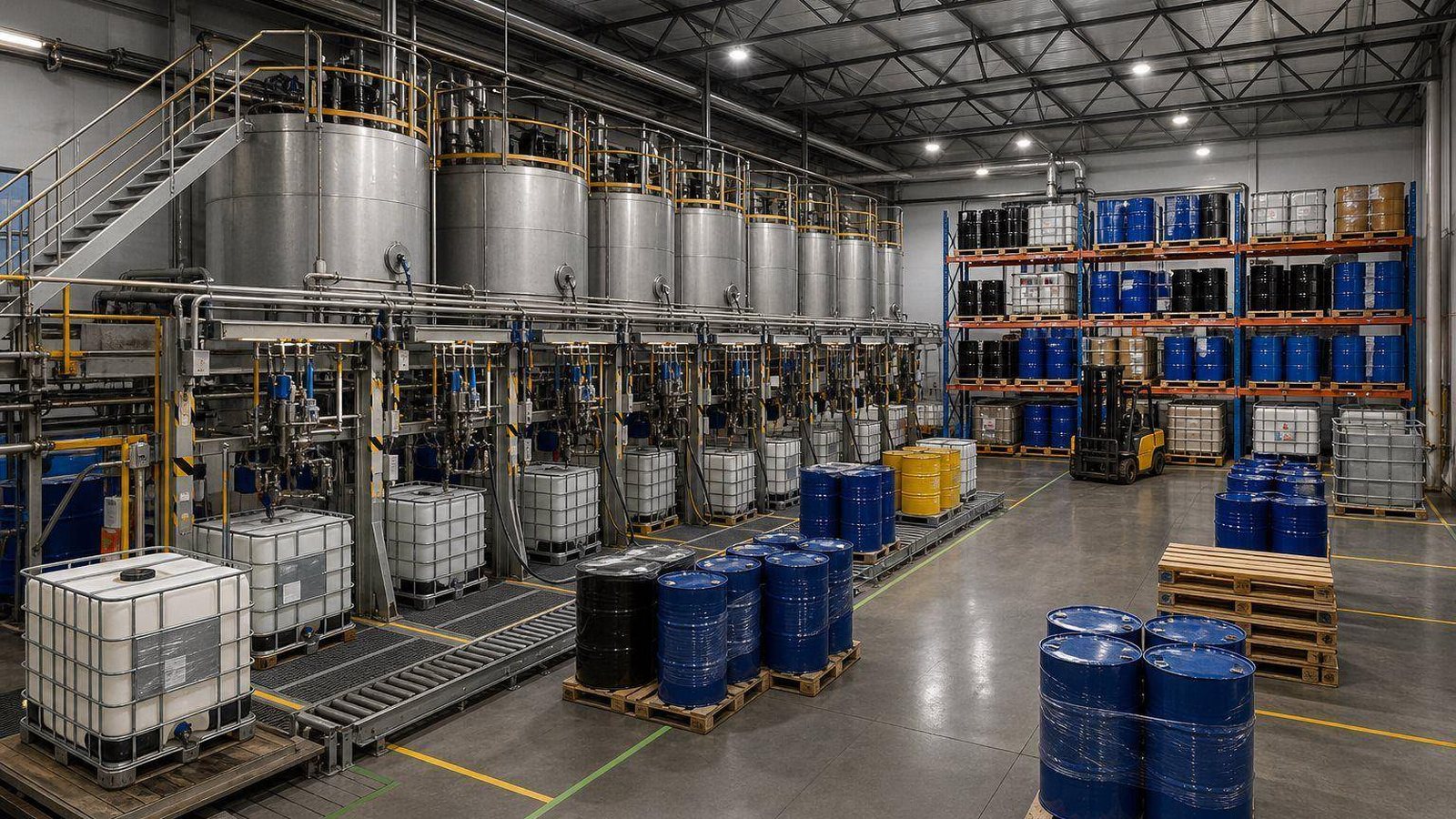
Base oils are the main ingredient in finished lubricants, and blenders buy them on a narrow set of properties: viscosity, viscosity index, color, appearance, water and cleanliness. A base oil that picks up water, particles or a few percent of another viscosity grade in storage may still look fine, but it can push a finished engine or hydraulic oil off specification.
We keep each base oil grade in a dedicated tank with its own line, pump and hose, protect the vapor space from moisture and filter on transfer where the buyer's specification calls for it. From storage, base oils move on to blending plants and packers by truck, rail, ISO tank and flexitank, or into IBCs and drums.
The API base oil groups
The API groups, defined in API 1509 Appendix E, describe how a base oil was made and what it contains, not its viscosity. Within each group, blenders buy distinct viscosity grades, from light neutrals to heavy neutrals and bright stock. Each grade is a separate product in storage, and mixing two grades of the same group is still contamination.
| Group | Definition | Typical make-up |
|---|---|---|
| I | Saturates below 90% and/or sulfur above 0.03%; VI 80 to below 120 | Solvent-refined mineral oils |
| II | Saturates 90% or more; sulfur 0.03% or less; VI 80 to below 120 | Hydroprocessed mineral oils |
| III | Saturates 90% or more; sulfur 0.03% or less; VI 120 or more | Severely hydrocracked or isomerized oils |
| IV | Polyalphaolefins (PAO) | Synthetic hydrocarbons |
| V | All base oils not in Groups I to IV | Esters, naphthenics, polyalkylene glycols and others |
Keeping base oils clean and dry
Moisture is the most common storage defect. Tanks breathe as they fill, empty and warm, and humid air leaves water that shows up as haze and a Karl Fischer result over limit. We use desiccant breathers or nitrogen blankets, drain tank bottoms and keep hatches closed. Particles come from rust, hoses and dirty connections, so transfers run through filters sized to the buyer's cleanliness target.
- One grade per tank, line, pump and hose
- Line flush and first-flow sample after any change of service
- Heated storage for bright stock and heavy grades in cold weather
- Samples at the tank, the line end and the loading point
Moving base oils on
Many base oils leave storage in smaller lots than they arrive. We arrange loading into tank trucks, railcars, ISO tank containers and flexitanks, and move bulk product to packers who fill drums and IBCs. Each loading point uses dedicated or verified-clean hoses, and receiving equipment is checked for previous cargo and cleanliness before loading starts.
Transloading between rail and truck is common for base oils bound for inland blenders. We plan these moves so product spends as little time as possible in shared equipment, and so each lot stays traceable to its tank and certificate through to the packed drum.
Quality checks
We test base oils on receipt and before release for the properties that drift in storage. Kinematic viscosity by ASTM D445 confirms the grade. ASTM D1500 color and visual appearance show contamination and oxidation. Karl Fischer titration measures water. Viscosity index, calculated under ASTM D2270, confirms the group where the buyer asks for it.
Frequently asked questions
Can Group II and Group III share a tank?
Not without the owner's instruction. Mixing them creates a new product that matches neither certificate. We keep each group and viscosity grade in its own tank and treat any change of service as a full grade change, with cleaning and verification.
Do you store additized oils?
Finished and additized oils go in separate tanks from base oils. Additive chemistry, including silicone antifoam, can contaminate base oil at very low levels, so the two never share lines, pumps or hoses.
Can you deliver in drums or IBCs?
We arrange drum and IBC filling with packers, moving bulk product to them by truck or ISO tank. The base oil stays traceable to its tank and certificate of quality through to the packed lot.
Related
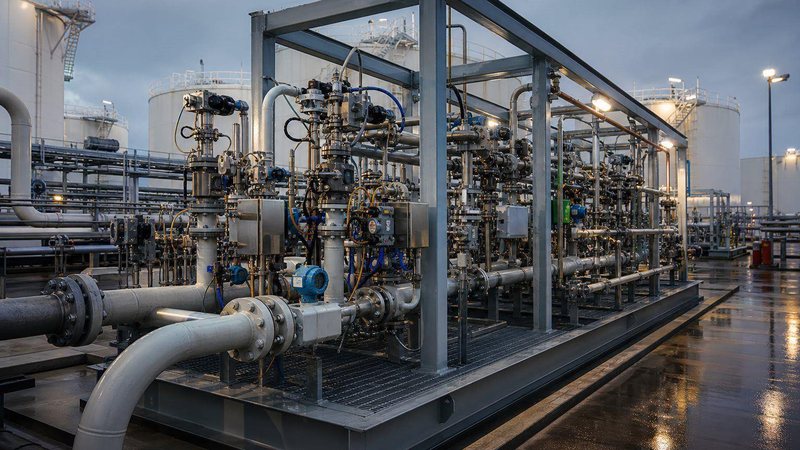
Blending & Additization
In-tank and inline blending and additive injection, verified by ASTM testing before release.
Read more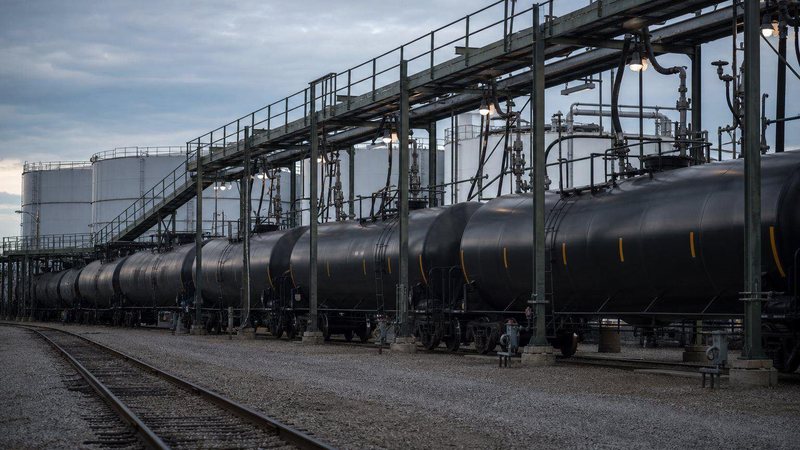
Rail Tank Car Transport
DOT-117 tank cars, unit trains, manifest service and transloading for crude, products and renewables.
Read more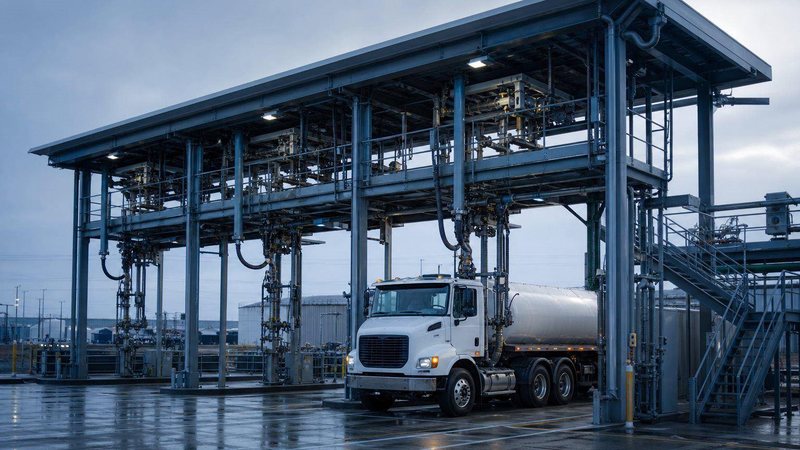
Tank Truck Transport
Cargo tank trucks and ISO tanks for rack loading, last-mile delivery and transload moves.
Read more
Quality & Measurement Standards
API MPMS, API 650/653/2350, ASTM test methods, ISO 8217:2024 and independent inspection.
Read moreNeed clean storage for base oils?
Send the grades, monthly volumes and cleanliness targets. We will set out tankage and delivery options.