


Chemical Storage
Chemicals are stored on the terms the molecule sets: the right tank material, the right blanket gas, dedicated lines and a cleaning record you can audit.
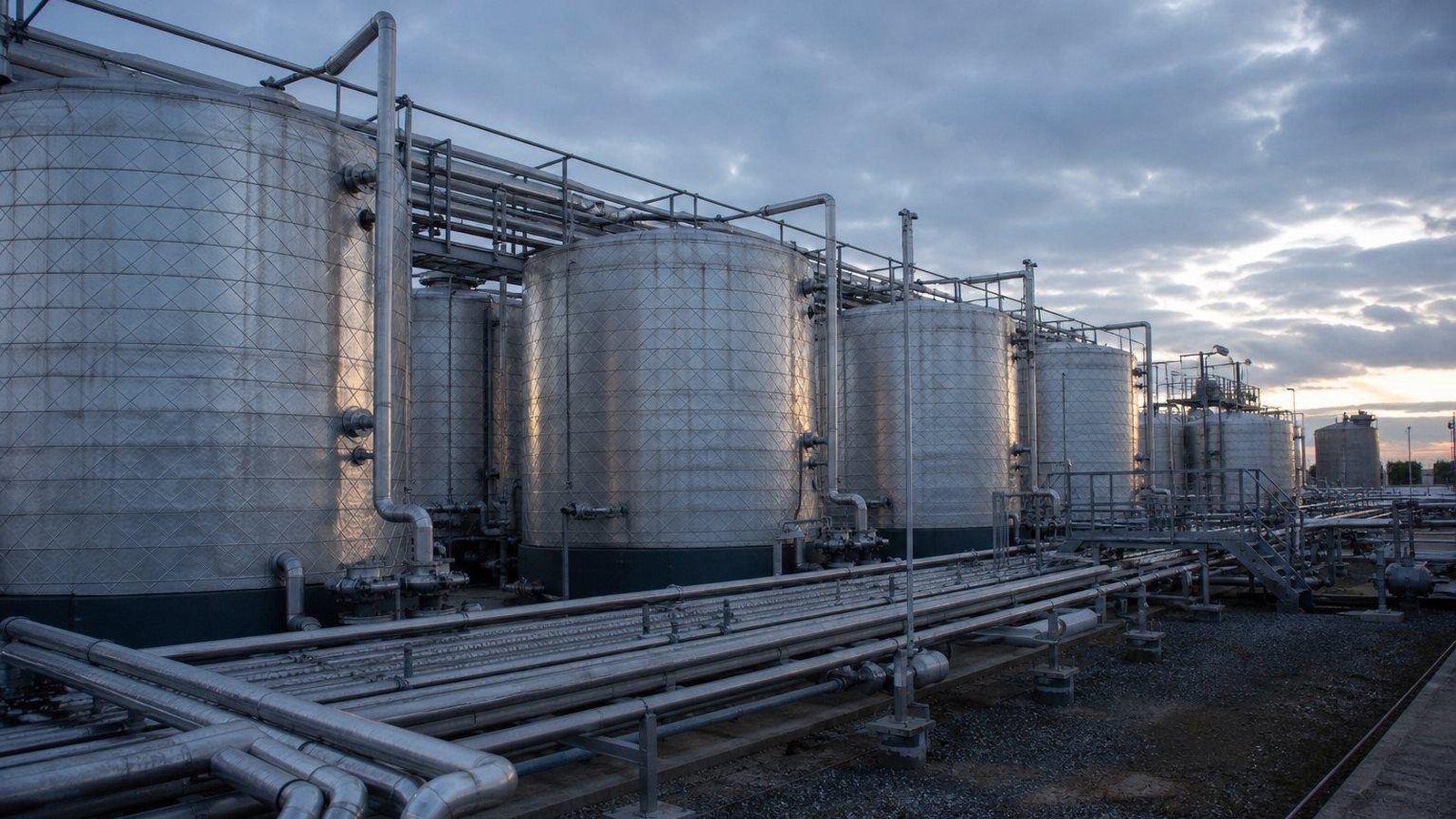
Chemical buyers care about limits that fuel buyers rarely see: color on the platinum-cobalt scale, water in parts per million, iron pick-up and purity by gas chromatography. A tank that holds diesel perfectly well can ruin a glycol cargo. We choose the tank, the lining, the gaskets and the blanket gas from the product's Safety Data Sheet and the buyer's specification before we accept the first receipt.
Each chemical grade runs on its own line and pump wherever possible. When a tank changes service, we clean it to a written procedure, inspect it and record the previous cargoes and the cleaning method, so the next owner can check the history before committing product to it. Where a buyer needs a tank that has only ever held one product, we say so plainly if we do not have one free.
Matching the tank to the product
Tank material is chosen for compatibility and for purity. Carbon steel suits many hydrocarbons and solvents. Stainless steel protects products where iron pick-up or color matters. Coated carbon steel is a middle path, but every lining has a chemical resistance list that must cover the product, and the coating must be intact. The table shows typical starting points; the producer's guidance decides.
| Product family | Common tank material | Handling notes |
|---|---|---|
| Aromatics (benzene, toluene, xylenes) | Carbon steel | Floating roof or vapor control; OSHA benzene rules apply |
| Methanol and other alcohols | Carbon steel or coated | Keep dry; nitrogen blanket; methanol flame is hard to see in daylight |
| Glycols (MEG, DEG) | Stainless or coated | Blanket to protect color and limit water pick-up |
| Caustic soda, 50% | Carbon steel at moderate temperatures | Heat in cold weather; crystallizes near 12 °C (54 °F) |
| Styrene and acrylic monomers | Set by producer guidance; kept cool | Inhibited; needs some dissolved oxygen, not pure nitrogen |
| Strong acids | Set by acid and concentration | Dilution can change corrosion rates sharply |
Nitrogen blanketing
A nitrogen blanket replaces the air in the vapor space with an inert pad held slightly above atmospheric pressure. It keeps oxygen and moist air away from products that oxidize, absorb water or form flammable mixtures. A blanketing regulator adds nitrogen as the level falls, and a pressure-vacuum valve sized under API 2000 relieves pressure as the tank fills.
Vapor displaced from a blanketed tank still carries product, so it goes to a vapor control system where the rules require it. Nitrogen consumption depends on tank size, movements and weather, and we bill it as a separate line with the basis stated.
SDS-driven handling
OSHA's Hazard Communication Standard (29 CFR 1910.1200) requires a Safety Data Sheet for every hazardous chemical, and it is our starting point. Section 7 covers handling and storage, Section 8 exposure limits and protective equipment, Section 9 properties such as flash point and vapor pressure, and Section 10 the incompatible materials that must never share a bund, a drain or a hose.
- Incompatible products kept in separate bunds and drain systems
- Gaskets, hoses and pump seals checked against the product
- Exposure monitoring where OSHA limits apply
- Emergency response information at the tank and the loading point
- PSM and RMP thresholds reviewed before a new product is accepted
Cleaning between grades
A grade change is a controlled job. Before a tank or line moves to a new product, we confirm the new product is an acceptable successor to the previous cargoes, choose the cleaning method from the residue's properties and record the result. Tank entry follows OSHA's permit-required confined space rules in 29 CFR 1910.146.
How it works
- 1Compatibility check
Confirm the new grade can follow the previous cargoes and agree the cleanliness standard with the owner.
- 2Drain and wash
Strip the tank and lines, then wash with water, steam or solvent as the residue requires.
- 3Gas-free and inspect
Ventilate, test the atmosphere and inspect internally under a confined-space permit.
- 4Verify
Take wall-wash or rinse samples and test them against the agreed limits.
- 5First-foot sample
After a small first receipt, sample and test before the tank is filled.
Frequently asked questions
Can my chemical go into a tank that held fuel?
Sometimes, after cleaning, and only if your specification and the previous cargoes allow it. For products sensitive to color, iron or hydrocarbon traces we recommend a dedicated tank. We show you the cargo history and the cleaning record before you decide.
Do you store chemicals covered by PSM or RMP?
Some chemicals, above threshold quantities, bring a site under OSHA Process Safety Management or the EPA Risk Management Program. We review each product and quantity against those rules before accepting it, and decline where a site is not set up for it.
How is quality checked on receipt?
We sample on receipt and test the properties your specification names, such as purity, color, water and acidity, at the terminal laboratory or an independent laboratory. Results are compared with the supplier certificate before the product joins a dedicated or shared tank.
Related
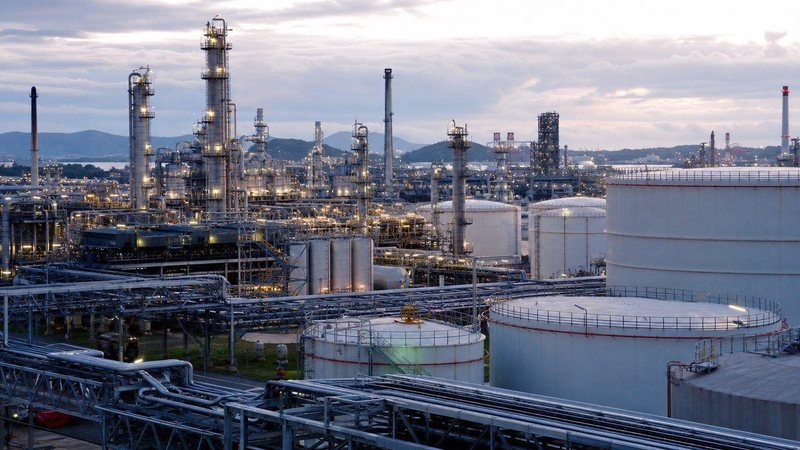
Petrochemical Feedstocks and Products
Naphtha, aromatics and other petrochemical liquids, handled with strict segregation and purity control.
Read more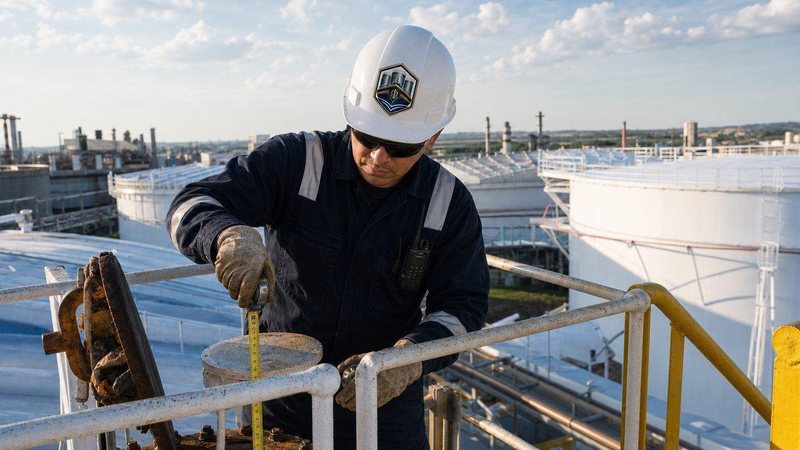
Health, Safety, Security & Environment
Process safety, permit-to-work, overfill prevention, tank inspection, emergency response and contractors.
Read more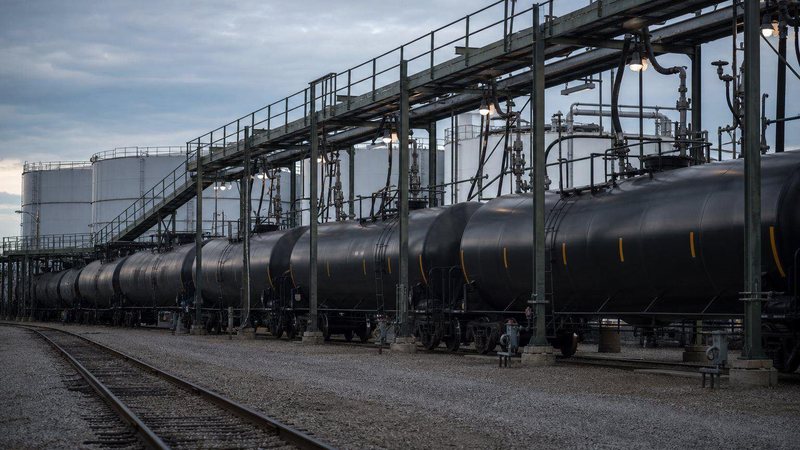
Rail Tank Car Transport
DOT-117 tank cars, unit trains, manifest service and transloading for crude, products and renewables.
Read moreHave a chemical you need stored?
Send the SDS, the specification and the volumes. We will tell you which tank fits and how we will handle it.