


Rail Tank Car Transport
Rail reaches the origins and markets that pipelines miss. We arrange tank car moves from a single car in manifest service to a full unit train, with transloading at either end.
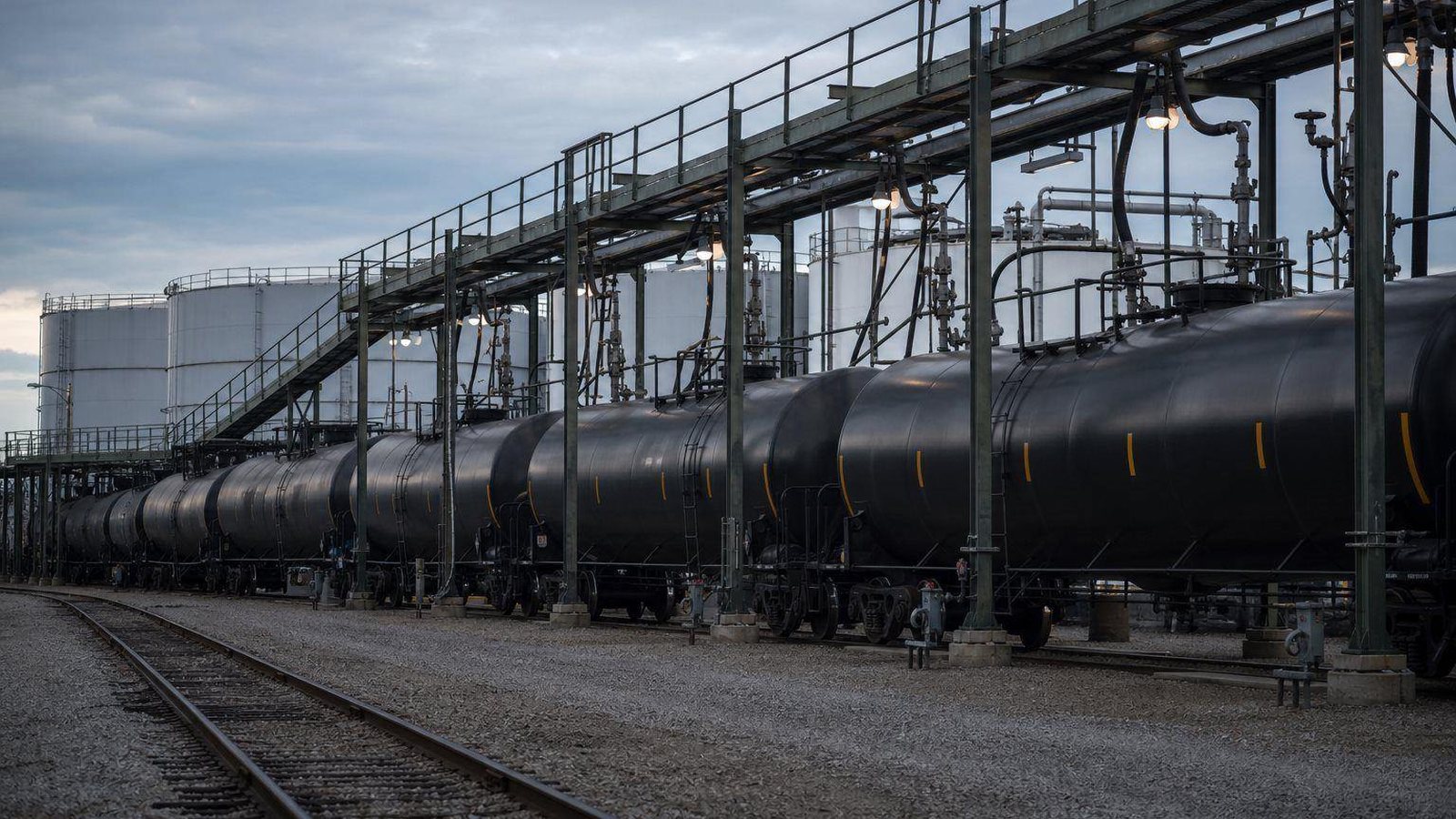
Rail is the flexible overland mode for bulk liquids. Where no pipeline runs, or the line is full, a tank car can carry crude from a production basin, renewable diesel from a biorefinery or asphalt from a refinery to almost any rail-served terminal. The trade-off is cost per barrel and handling: every car must be loaded, inspected, placarded, switched, unloaded and returned empty.
The modern tank car for flammable liquids is the DOT-117, which holds about 30,000 gallons, roughly 700 barrels. A crude unit train of around 100 cars therefore carries some 70,000 barrels, about the cargo of a small coastal tanker. Most tank cars in North America are owned by leasing companies or shippers rather than by the railroads, so car supply is planned as carefully as the train itself.
The DOT-117 tank car
PHMSA, working with the Federal Railroad Administration, created the DOT-117 specification in its 2015 HM-251 rule on flammable liquids by rail. The design adds protection at the points where older cars failed in derailments: the shell, the heads, the top fittings and the bottom outlet. Before we nominate any car, we check its specification, qualification dates and lining against the product.
- Shell of 9/16-inch TC-128 Grade B normalized steel
- Full-height head shields, 1/2 inch thick, at both ends
- Steel jacket over a thermal protection system to resist pool-fire exposure
- Top fittings protection to shield valves in a rollover
- Bottom outlet valve handle designed not to open in a derailment
- DOT-117R: an older car retrofitted to the DOT-117 performance standard
Unit trains and manifest service
A unit train runs one commodity from one origin to one destination as a single block, without being broken up in classification yards. Manifest service moves single cars or small blocks mixed with other freight and switched through yards on the way. Unit trains are faster and cheaper per barrel at scale; manifest service suits smaller or irregular volumes and receivers without long track.
Under HM-251, a train carrying 20 or more loaded tank cars of a Class 3 flammable liquid in a continuous block, or 35 or more anywhere in the train, is a high-hazard flammable train. Extra operating rules then apply, including speed restrictions and routing analysis, so the train plan is set before the first car is loaded.
| Factor | Unit train | Manifest service |
|---|---|---|
| Typical size | Often around 100 cars | One car to a small block |
| Routing | Origin to destination, no yard switching | Switched through classification yards |
| Transit | Faster and more predictable | Slower; depends on yard dwell |
| Track needed | Loop or long track at both ends | Standard spur and local switching |
| Fits | Steady high volumes | Smaller or occasional volumes |
Transloading
Transloading moves product between rail and another mode where there is no direct connection: rail to truck, truck to rail, or rail into a storage tank and onward by barge or ship. A transload site can be a full terminal with tanks and pumps or a track-side setup with hoses, a pump and secondary containment.
Each transfer is a custody point. We arrange for each car to be gauged or weighed at origin, for seals and shipping papers to be checked on arrival, and for the received volume to be measured by meter or tank gauge. Heavy products such as asphalt and some renewable feedstocks need coiled and insulated cars and steam or hot oil at the unloading point.
Railcar demurrage and storage
Railroads publish demurrage and storage charges in their tariffs, and the terms differ from one railroad to the next. Demurrage generally applies when cars are held beyond free time for loading or unloading. Because most tank cars are private, carrying reporting marks that end in X, the charge shippers often meet is private-car storage, billed when cars wait on railroad track.
- Free time: the allowance before charges start, set by tariff or contract
- Actual placement: the car is spotted on the receiver's track for unloading
- Constructive placement: the car cannot be delivered because the receiver cannot take it, and the clock runs
- Release: the clock stops when the empty or loaded car is released to the railroad
Frequently asked questions
How many barrels are in a rail tank car?
A DOT-117 holds about 30,000 gallons, roughly 700 barrels, but the actual load is set by weight as well as volume. Dense products reach the car's gross rail load limit, commonly 286,000 pounds, before the shell is full, so a car of heavy crude carries fewer barrels than a car of light product.
Who supplies the tank cars?
Most tank cars are owned by leasing companies or shippers, not railroads. We arrange cars on lease or work with cars a customer already controls, and we check each car's specification, qualification dates, lining and last commodity before it is loaded.
What is a high-hazard flammable train?
Under HM-251 it is a train with 20 or more loaded tank cars of a Class 3 flammable liquid in a continuous block, or 35 or more anywhere in the train. Such trains are subject to additional operating requirements, including speed limits and route analysis.
Can renewable fuels move by rail?
Yes. Ethanol, biodiesel and renewable diesel all move in tank cars. Ethanol is a Class 3 flammable liquid under the same tank car rules as crude. Some renewable feedstocks, such as tallow, need coiled and insulated cars and heated unloading.
Related
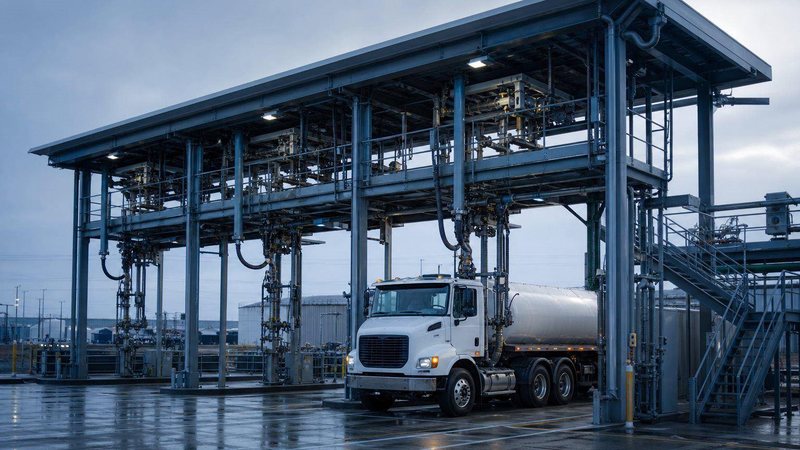
Tank Truck Transport
Cargo tank trucks and ISO tanks for rack loading, last-mile delivery and transload moves.
Read more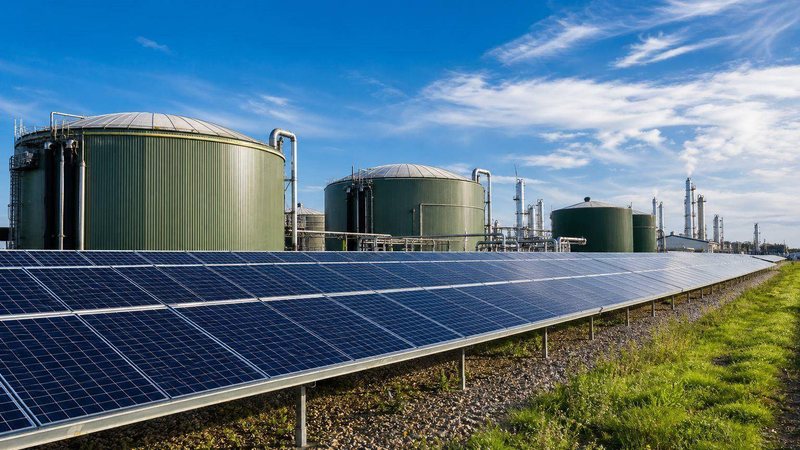
Renewables & Biofuels Storage
Ethanol, FAME, renewable diesel and SAF stored dry and warm, with records for ISCC and RINs.
Read more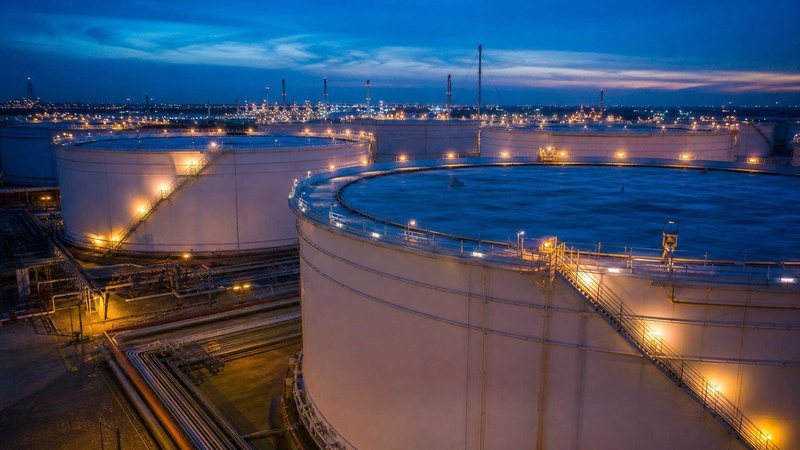
Crude Oil Storage
Floating-roof tankage, grade segregation, H2S control and blending to refinery spec.
Read more
US Regulatory Framework
PHMSA, EPA, Coast Guard, OSHA, FMC and OFAC: the US rules behind our terminal and freight work.
Read morePlan a rail program
Give us origin, destination, product and monthly volume. We size the car supply, the track time and the transload.