


Storage and Freight for Oil Majors
Integrated companies use third-party tankage to absorb imbalances, stage cargoes and cover outages. We fit into your scheduling, vetting and reporting rather than asking you to fit ours.
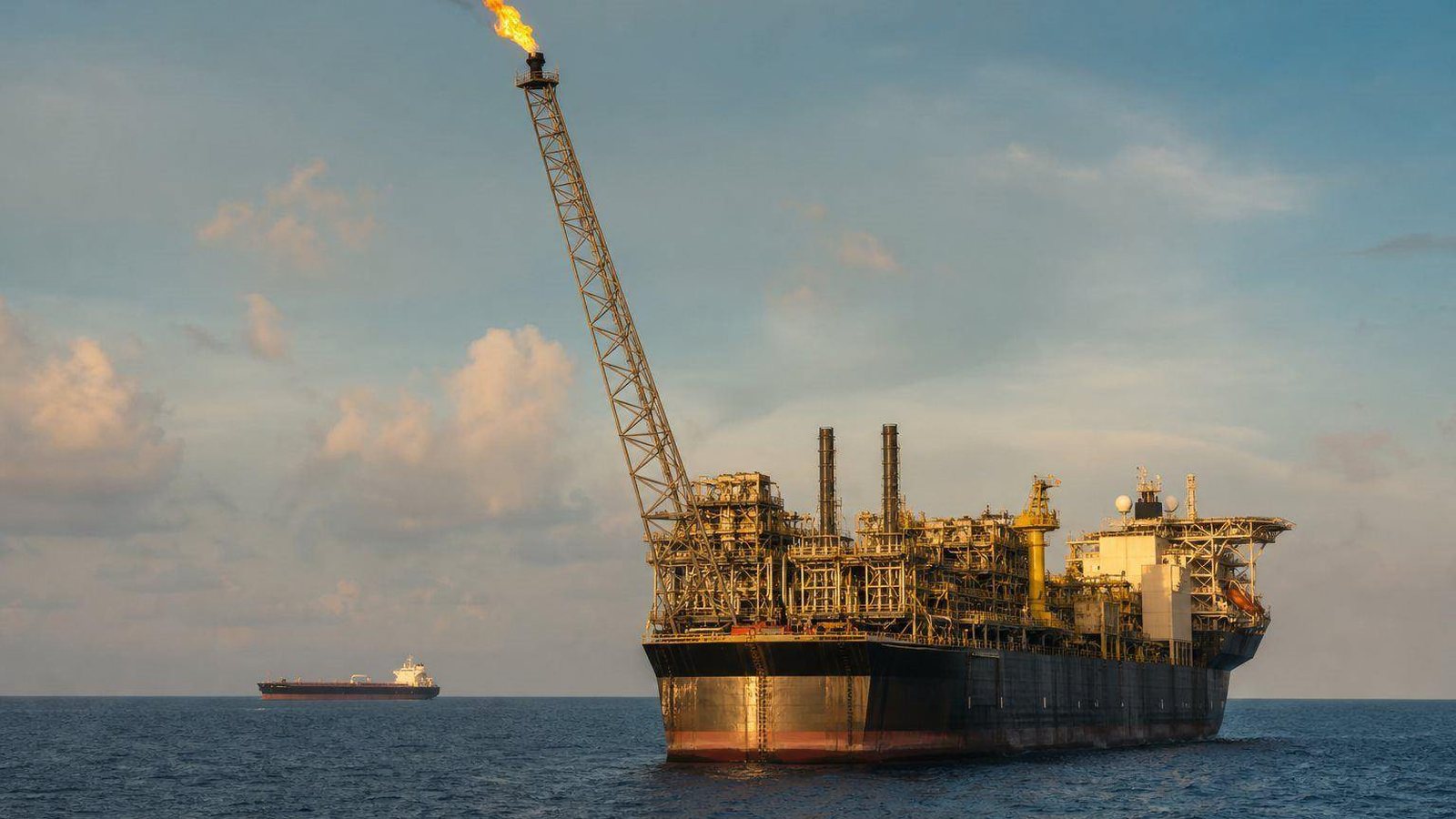
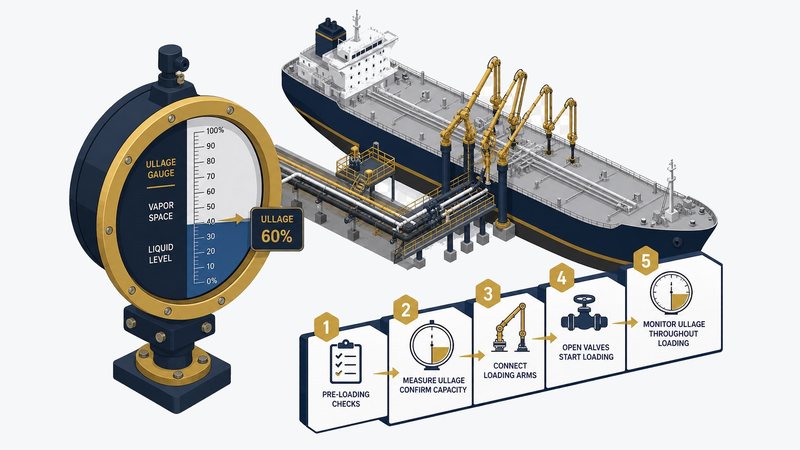
An integrated oil company already owns refineries, pipelines and terminals. What it wants from a third party is flexibility at the margin: extra tankage while a refinery unit is down, somewhere to stage a cargo that arrived ahead of its own ullage, a segregated tank for a new grade, or freight when its own system is tight. The test is whether the third party plugs into the existing supply plan without creating work for the scheduler.
We work that way. We take nominations in your cycle, report inventory daily in gross and net standard volume, and measure custody transfer to API MPMS so our numbers reconcile with yours. We expect your vetting team to inspect our berths and your auditors to read our tank records, and we prepare for both before they arrive.
Where third-party tankage fits your system
Majors rarely need a third party for base load. They need one when the system moves away from plan. A refinery turnaround leaves feed or product with nowhere to go. A cargo lands early. A seasonal changeover needs a clean tank for summer-grade gasoline before the volatility season starts. In each case the value is in being ready before the call, with the right tank, lines and berth time available.
- Outage cover for crude, intermediates and finished products during turnarounds
- Cargo staging when a vessel arrives ahead of available ullage
- Seasonal grade changeovers, including summer and winter gasoline volatility
- Dedicated segregations for new grades, export blends or trial volumes
- Aggregation of pipeline or barge receipts into a full export cargo
- Balancing tankage for exchange and swap agreements
Scheduling on your cycle
Your schedulers plan in monthly cycles, sometimes in pipeline batch cycles inside the month, and confirm vessels against laycans. We plan the same way. Tank allocations, berth windows and line availability are confirmed against your nominations, and every change is logged so both sides work from one version of the plan.
| Planning item | What we provide | When |
|---|---|---|
| Monthly nomination | Confirmed tank allocation and berth windows | Before the month opens |
| Vessel line-up | Laycan confirmation and berth sequence | Rolling, updated daily |
| Daily inventory | Gross and net volume, ullage, free water and heel | Every day at an agreed cut-off |
| Movement tickets | Tank or meter tickets for each receipt and delivery | After each movement |
| Month-end statement | Closing stock and loss/gain reconciliation | At month-end close |
Ready for vetting and audit
Majors vet terminals as carefully as ships. Expect us to be asked about berth compatibility, mooring arrangements, the ISGOTT ship-shore safety checklist, overfill prevention under API 2350 and tank integrity records under API 653. We answer those questions with documents, not assurances, and we host site inspections against your own protocol.
Where your system uses the OCIMF Marine Terminal Management and Self Assessment (MTMSA) approach, we work through its elements with your team. Findings from your audit go into a tracked action list with owners and dates, and we report closure the same way your own sites would.
Loss control and reconciliation
A major measures loss and gain across the whole chain, and a third-party terminal is one link in it. We measure each custody transfer by calibrated meter or by tank gauging to API MPMS, correct volumes to 60 °F, and compare our figures with the B/L, the vessel figures and the independent inspector's report. Differences outside the agreed tolerance are investigated and explained in writing, not netted off at month-end.
Freight that respects your vetting rules
When we arrange freight for a major, the major's vessel acceptance rules apply. We propose tonnage with its particulars in the OCIMF Harmonised Vessel Particulars Questionnaire (HVPQ) format and do not fix a ship your vetting team has not cleared. The same applies to barges and to rail and truck carriers: if they are not on your approved list, we do not use them for your product.
Frequently asked questions
Can tanks be dedicated to us rather than commingled?
Yes. A dedicated tank holds only your product and is measured as your stock. Commingled storage, where several owners share a tank of fungible product, costs less but makes your barrels an accounting entitlement rather than a specific volume. The right choice depends on grade, quality risk and your own inventory rules.
Will you report in our format?
Usually, yes. Daily inventory, movement tickets and month-end statements can be produced to your template and delivered by the method your system expects. Tell us early, so the format is agreed and tested before the first movement rather than fixed after it.
Do you accept our own terminal audit protocol?
Yes. We expect majors to audit against their own standards. We provide access to the site, the records and the people responsible for each area, and we track findings to closure. Scope and timing are agreed in advance so that the inspection does not disturb live operations.
How is dedicated storage usually priced?
Most dedicated storage is contracted on a take-or-pay basis: you pay for the shell capacity of the tank whether or not you fill it. Throughput above an agreed number of turns may carry a separate handling fee. We quote both elements clearly so your planners can compare utilization against cost.
Related
Throughput Agreements
Throughput fees, take-or-pay, excess throughput and the nomination cycle explained.
Read more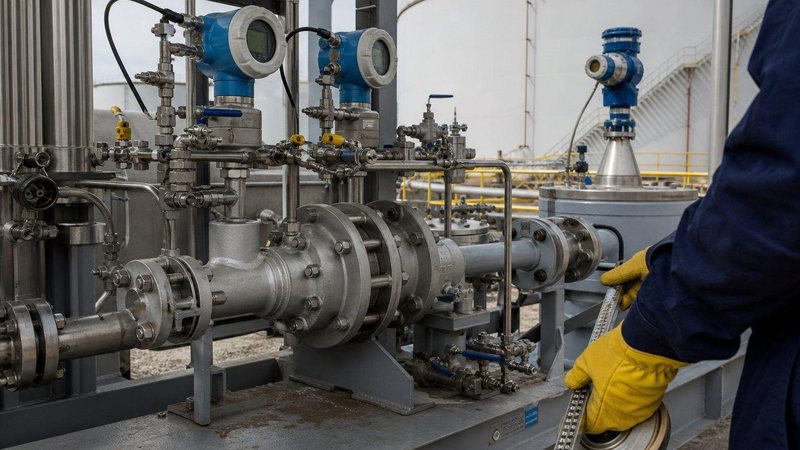
Custody Transfer Measurement
Tank gauging, meters and provers, sampling and volume correction to API MPMS standards.
Read more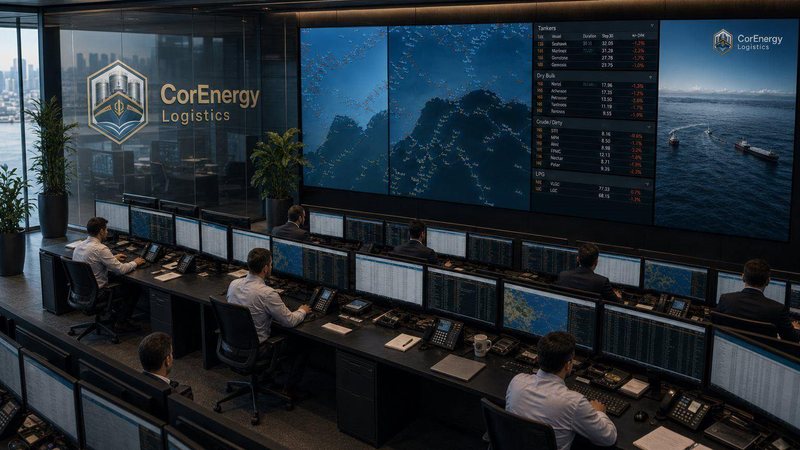
Chartering Desk
Voyage, time charter and COA fixtures, Worldscale freight, laytime and demurrage handled end to end.
Read more
Health, Safety, Security & Environment
Process safety, permit-to-work, overfill prevention, tank inspection, emergency response and contractors.
Read morePlan around your next outage
Send us the dates, grades and volumes. We will show which tanks, lines and berth windows can be held for your plan.