


Tank Barge Transport
Barges move refined products, crude, chemicals and asphalt along US rivers, the Intracoastal Waterway and the coast, often straight from a refinery dock into a terminal.
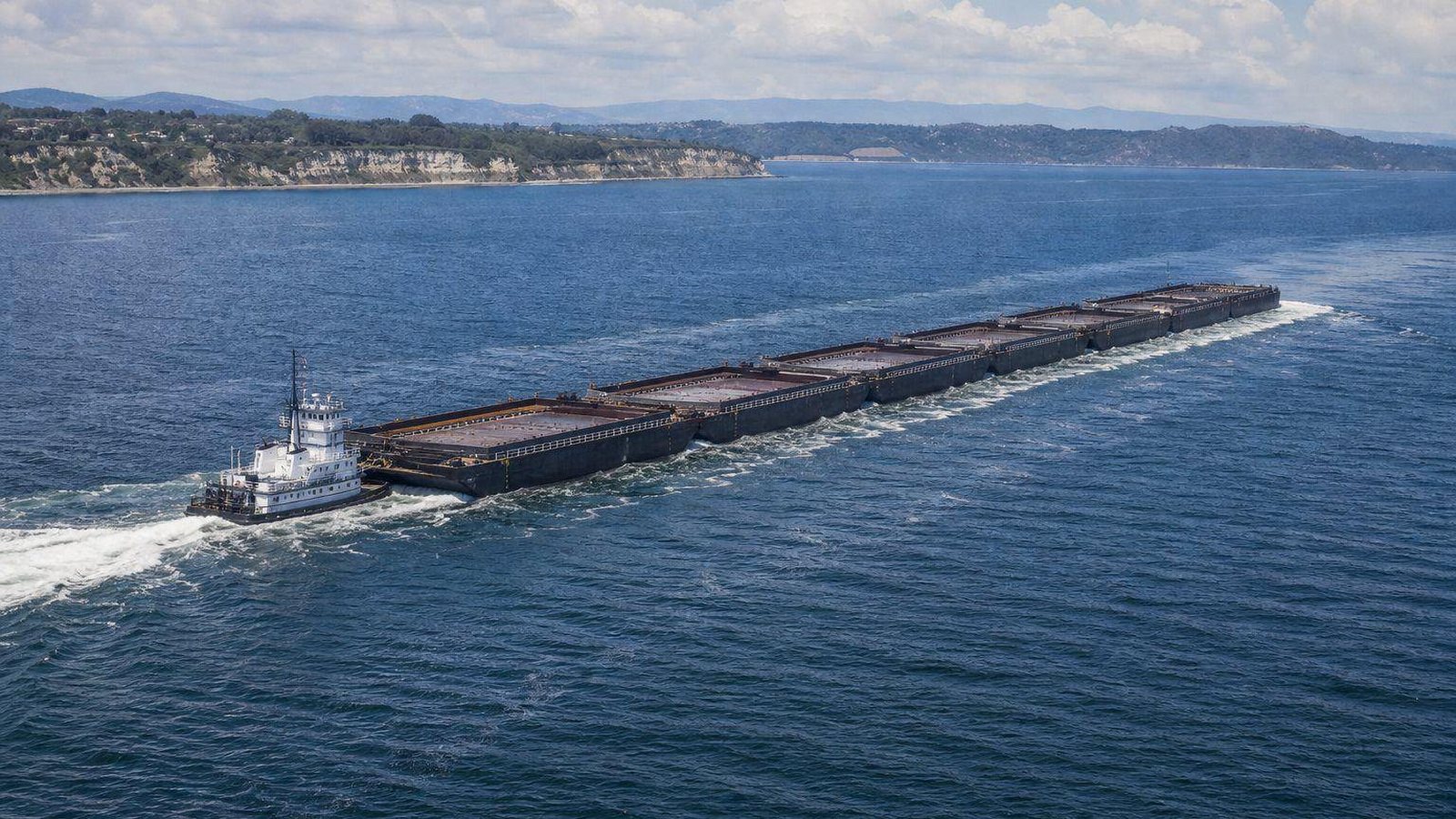
A tank barge has no engine of its own. Inland, one towboat pushes a tow of barges lashed together; offshore, a tug either tows a barge on a hawser or locks into a notch in its stern. That simple arrangement makes barges a low-cost way to move bulk liquid between refineries, chemical plants and terminals that sit on navigable water.
US inland tank barges come in a few standard sizes, and the trade refers to them by capacity: the 10,000-barrel and 30,000-barrel units are two of the most common. One 30,000-barrel barge carries roughly what 40 DOT-117 rail tank cars or more than 130 truckloads carry, which is why so much product moves along the Gulf Intracoastal Waterway and the Mississippi River system by barge.
Barge types we arrange
Choosing a barge comes down to route, product temperature and dock limits. Inland barges are built for sheltered water and cannot work the open sea. Ocean barges and ATBs run the coast from the Gulf to the Atlantic seaboard. Coastwise units must meet the same Jones Act tests as tankers, and they are a common alternative to a Jones Act product tanker.
| Type | Typical service | Notes |
|---|---|---|
| Inland tank barge, 10,000 bbl | Smaller docks and shallower channels | Easy to place at small terminals |
| Inland tank barge, 30,000 bbl | Gulf Intracoastal and Lower Mississippi | Main unit for refined products and crude |
| Heated barge | Asphalt, residual fuel, heavy crude | Insulated, with heating coils or a thermal-oil system |
| Chemical barge | Chemicals and specialty liquids | Coated or stainless tanks; may fall under 46 CFR Part 151 |
| Bunker barge | Marine fuel delivery in port | Delivers to ships at anchor or alongside |
| Ocean barge | Coastwise and short-sea routes | Towed on a hawser by an ocean tug |
| ATB | Coastwise products and crude | Tug pinned into a notch in the barge stern, free to pitch |
| ITB | Coastwise trades | Tug rigidly locked in; the pair sails as one unit |
How a tow moves
Inland, a towboat makes up a tow from barges that may belong to several shippers and drops them at docks along the way. Tow size is set by the river: open stretches of the Lower Mississippi take large tows, while lock chambers on the upper rivers limit how many barges pass at once. Weather and water level add time, so we plan barge transits as windows rather than exact hours.
- High water: stronger current, plus tow-size and daylight limits on some reaches
- Low water: draft restrictions mean lighter loading per barge
- Fog: channel closures in ports such as the Houston Ship Channel
- Locks: queues and scheduled closures on lock-and-dam rivers
- Fleeting: barges held at a fleet area while a tow is built or broken
Inspection, hull and transfer rules
Tank barges carrying oil or hazardous liquids in bulk are inspected by the US Coast Guard and carry a Certificate of Inspection that lists the cargoes they may carry. The Oil Pollution Act of 1990 phased single-hull tank vessels out of US oil trades by 2015, so oil barges today are double-hulled. Towing vessels now fall under their own inspection regime in 46 CFR Subchapter M.
Every oil transfer between a barge and a dock starts with a Declaration of Inspection signed by the person in charge on each side, under 33 CFR 156.150. It confirms that hoses, connections, communications, scupper plugs and emergency shutdown have been checked. Where the dock collects vapors, the barge must be fitted and certified to connect to the vapor control system.
Bunker barges and port delivery
In port, bunker barges deliver marine fuel to ships at anchor or alongside. The supplier issues a bunker delivery note, required under MARPOL Annex VI, and a sealed sample is retained for the ship. Fuel is specified to ISO 8217:2024 or the edition named in the supply contract, and sulfur is capped at 0.50% outside emission control areas and 0.10% inside them.
Jones Act on the water
Moving cargo by barge between two US points is coastwise trade under the Jones Act, on a river as much as at sea. The barge must be US-built, US-flagged, US-owned and crewed by US citizens, and the towing vessel moving it must also be coastwise-qualified. Barge freight therefore follows the domestic market rather than international rates, and the supply of qualified units changes slowly because new barges must come from US shipyards.
How it works
- 1Nominate
Product, quantity, load and discharge docks, dates and any heating needs.
- 2Match the barge
We check last cargoes, the Certificate of Inspection, coating and dock fit.
- 3Load and gauge
Declaration of Inspection signed, barge loaded, inspector gauges and samples.
- 4Tow and track
The tow sets off and each waypoint appears on the tracker.
- 5Discharge and outturn
Shore receipt measured; the outturn report closes the movement.
Frequently asked questions
How much does a 30,000-barrel barge actually load?
It depends on product density, river draft and the dock. On low water a barge may be restricted to a lighter load. We confirm the expected load in barrels and metric tons before the tow is booked and report the inspected figure after loading.
Can a barge discharge straight into storage?
Yes, where the terminal has a barge dock. Product is pumped from the barge into the receiving tank, and the independent inspector compares the barge figures with the shore tank figures to produce the outturn report.
What is the difference between an ATB and an ITB?
Both are tug-and-barge units built to work at sea. In an ATB the tug sits in a notch at the barge stern and is pinned so the two can move independently in pitch. In an ITB the tug is locked rigidly in place, so the pair behaves like a single ship.
Do barge movements carry demurrage?
Yes. Barge contracts set free time for loading and discharging, and waiting beyond it is charged per barge per day. Free time and rates vary by carrier and contract. We plan dock time and receiving space so barges are not left waiting.
Related
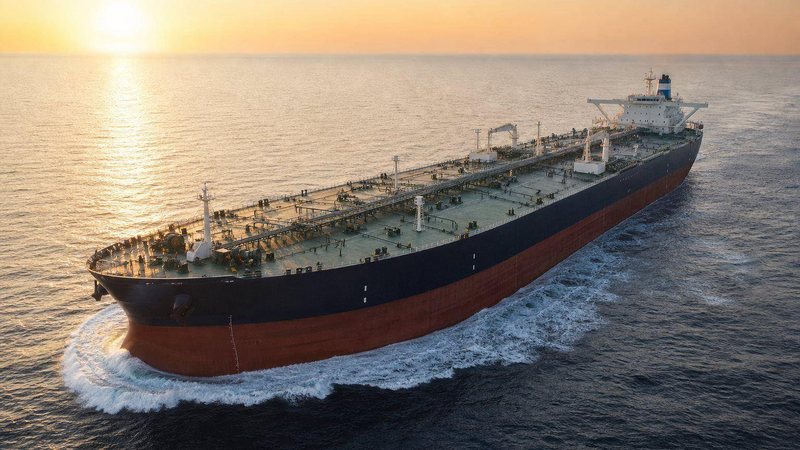
Marine Tanker Freight
Tanker size classes, SIRE 2.0 vetting and Jones Act rules, matched to your parcel and both berths.
Read more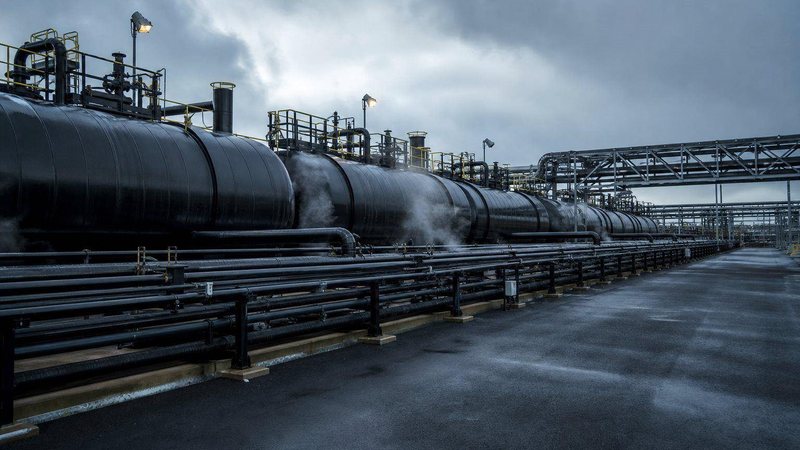
Bitumen & Asphalt Storage
Heated, insulated tanks at 150-180 °C for paving and polymer-modified binders.
Read more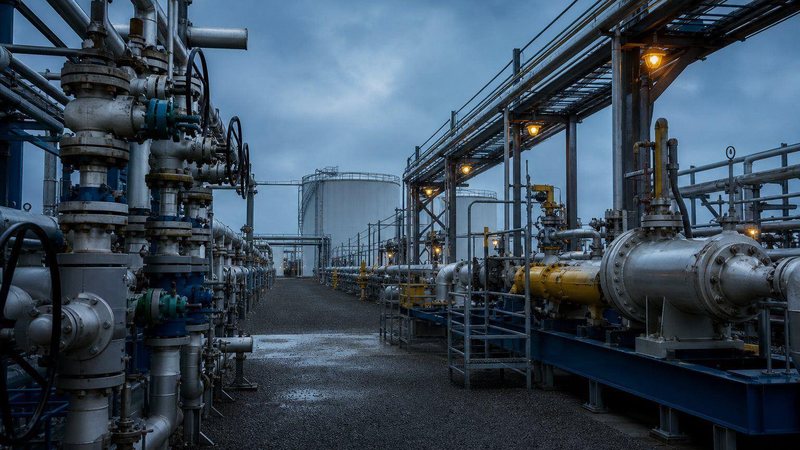
Tank & Line Heating
Steam, thermal oil and heat tracing for viscous products, with logged temperatures and clear pricing.
Read more
US Gulf Coast
Houston, Corpus Christi, LOOP and St. James: storage, freight and inspection we arrange on the Gulf.
Read moreBook barge freight
Send the product, volume, docks and dates. We return barge size, tow plan and timing options.