


LPG & NGL Storage
Propane, butane and NGL mixes stay liquid only under pressure or cold. We store them in the vessel that suits the volume and the outlet, and handle odorization to plan.
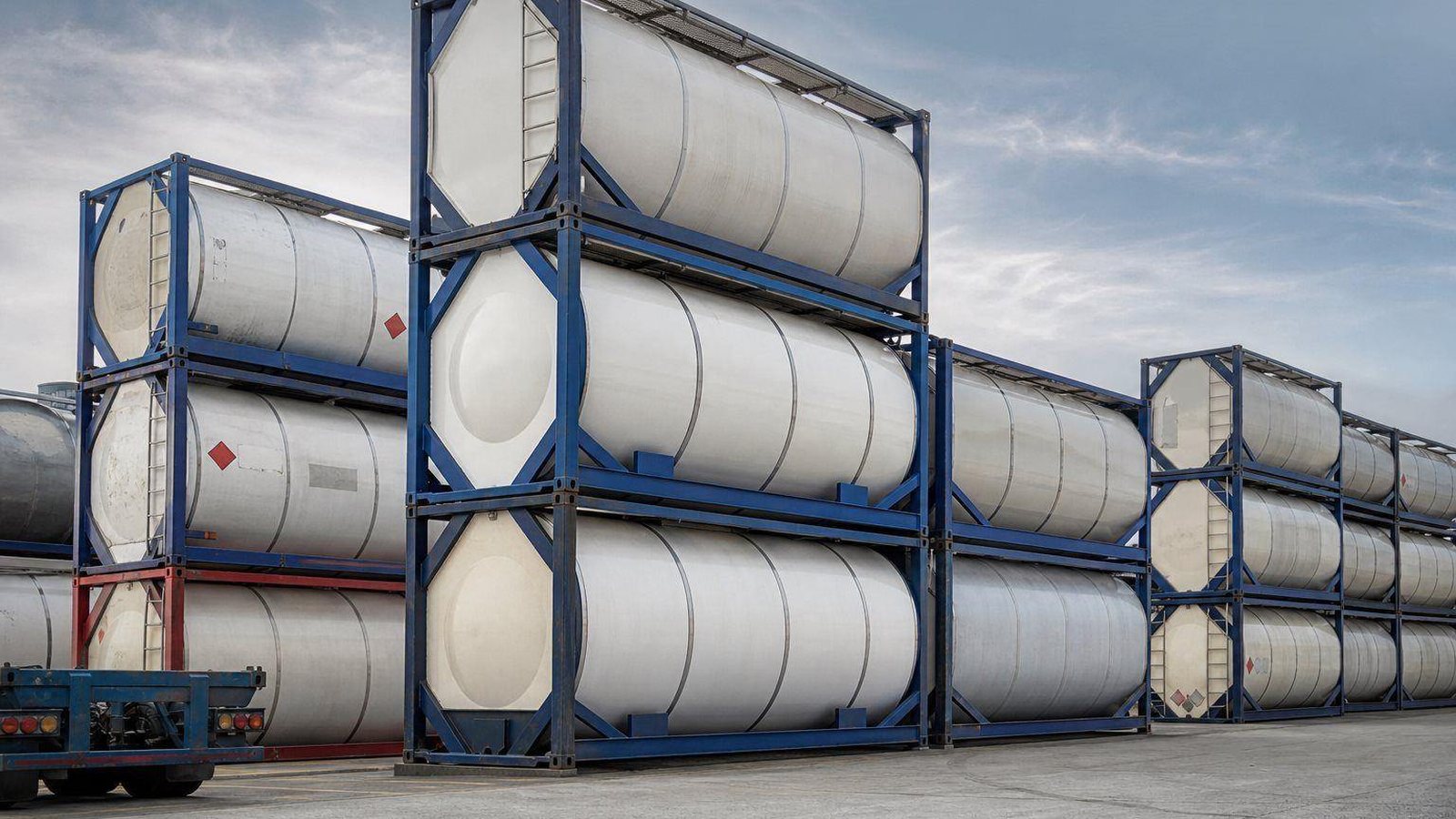
Liquefied petroleum gas and natural gas liquids boil well below ambient temperature at atmospheric pressure. Propane boils at about -42 °C (-44 °F) and normal butane at about -0.5 °C (31 °F). They stay liquid in one of two ways: under pressure at ambient temperature, or chilled to their boiling point at near-atmospheric pressure. Which way makes sense depends on volume, turnover and where the product goes next.
We store propane, butanes and NGL mixes in ASME pressure vessels for truck, rail and pipeline distribution, and arrange refrigerated storage where large parcels move by sea. In both cases the work is about pressure, relief, overfill and fire protection, with every transfer measured to custody standard and every grade kept on its own vessels and lines.
Pressurized or refrigerated
Pressurized storage is simple to run and suits frequent, smaller movements. Refrigerated storage holds far more product per ton of steel but needs refrigeration compressors, boil-off handling and chilling of warm product before it goes in. Product moving from pressurized storage into a refrigerated tank, or onto a fully refrigerated ship, has to be chilled first.
| Factor | Pressurized (bullets, spheres) | Refrigerated (low-temperature tanks) |
|---|---|---|
| Temperature | Ambient | Near the boiling point, about -42 °C for propane |
| Pressure | Product vapor pressure | Close to atmospheric |
| Design basis | ASME Boiler and Pressure Vessel Code, Section VIII | API 620 Annex R and API 625 |
| Typical use | Distribution by truck, rail and pipeline | Large import and export parcels by sea |
| Boil-off | None in normal storage | Continuous; vapor compressed and reliquefied |
| Ship type served | Pressurized or semi-refrigerated gas carriers | Fully refrigerated gas carriers |
Pressure vessels and safety systems
We store LPG in vessels built and stamped to ASME Section VIII and installed to NFPA 58. A pressure vessel is never filled to the top. A fixed maximum liquid level leaves vapor space so the liquid can expand on a hot day without the vessel going liquid-full, which would drive pressure up fast.
Large LPG inventories generally bring a site under OSHA Process Safety Management (29 CFR 1910.119) and the EPA Risk Management Program (40 CFR Part 68), with their hazard analysis, mechanical integrity and emergency response requirements. We review every new LPG program against those rules before the first receipt, and only place product where the site meets them.
- Pressure relief valves sized for fire exposure and tested on schedule
- Remotely operated emergency shutoff valves on liquid lines
- Fixed water spray or deluge to cool vessel shells in a fire
- Gas detection at loading points, pumps and compressors
- Bonding and grounding checked before every truck and railcar transfer
Propane, butanes and NGL mixes
Natural gas liquids arrive in two forms. Raw mix, often called Y-grade, is an unfractionated stream of ethane, propane, butanes and natural gasoline bound for a fractionator. Purity products leave the fractionator as separate grades: propane, normal butane, isobutane and natural gasoline. Each purity product is kept segregated, because a few percent of the wrong component changes vapor pressure and price.
Consumer propane in the US is usually sold to HD-5 specification under GPA 2140 and ASTM D1835: at least 90 percent propane and no more than 5 percent propylene. Commercial propane and butane-propane mixes have their own limits, and petrochemical buyers set their own purity specifications.
Odorization
LPG has almost no smell of its own. For consumer use it is odorized, usually with ethyl mercaptan, so a leak is noticed well before the gas reaches a flammable concentration: NFPA 58 requires detection at no more than one-fifth of the lower flammable limit. A commonly used dose is about 1.0 pound of ethyl mercaptan per 10,000 gallons.
Frequently asked questions
Can you store ethane?
Ethane needs much higher pressure or much lower temperature than propane and is normally handled in purpose-built systems. Tell us the volumes and the outlet, and we will tell you plainly what we can and cannot arrange.
How is LPG measured at custody transfer?
By meter, often Coriolis mass meters, or by tank gauge with a correction for the vapor above the liquid. Temperature, pressure and density are recorded at every transfer so that volume, mass and standard conditions reconcile.
Do you load LPG into railcars and trucks?
We arrange loading of DOT-specification pressure tank cars, such as DOT-112 cars, and MC-331 cargo tank trucks, with bonding, vapor return and maximum-fill checks at every transfer.
Related
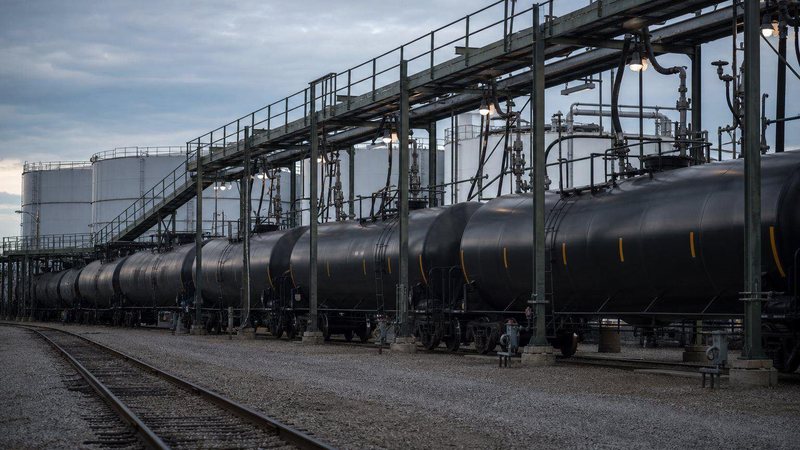
Rail Tank Car Transport
DOT-117 tank cars, unit trains, manifest service and transloading for crude, products and renewables.
Read more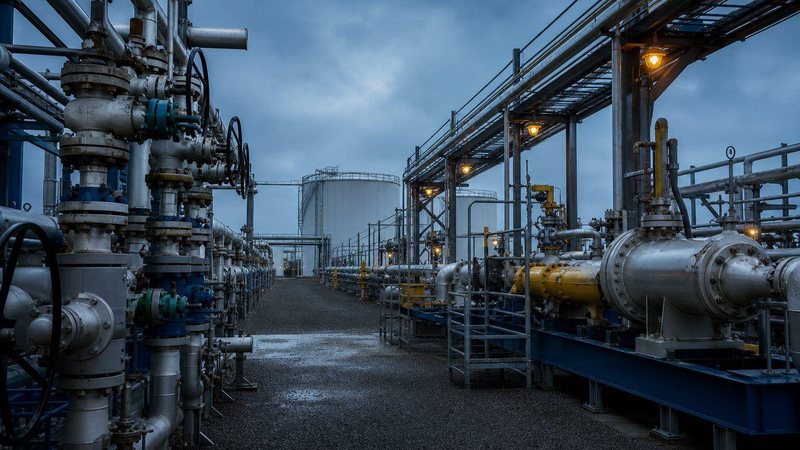
Pipeline Shipments
Common-carrier pipelines, FERC tariffs, nominations, batching and metered custody transfer.
Read more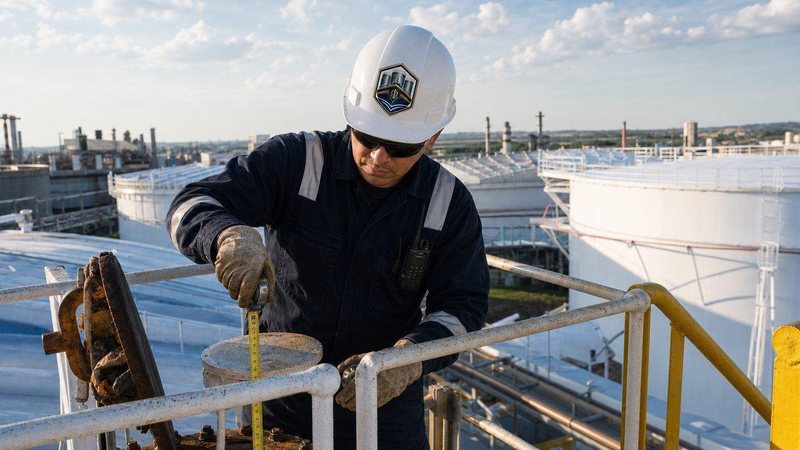
Health, Safety, Security & Environment
Process safety, permit-to-work, overfill prevention, tank inspection, emergency response and contractors.
Read more
US Gulf Coast
Houston, Corpus Christi, LOOP and St. James: storage, freight and inspection we arrange on the Gulf.
Read moreNeed LPG or NGL storage?
Send the product, specification, volumes and outlet. We will say whether pressurized or refrigerated storage fits.