


Storage & Terminals
We store crude oil, refined products, chemicals, renewables and other bulk liquids in tank capacity we own or lease, and we account for every barrel from receipt to delivery.
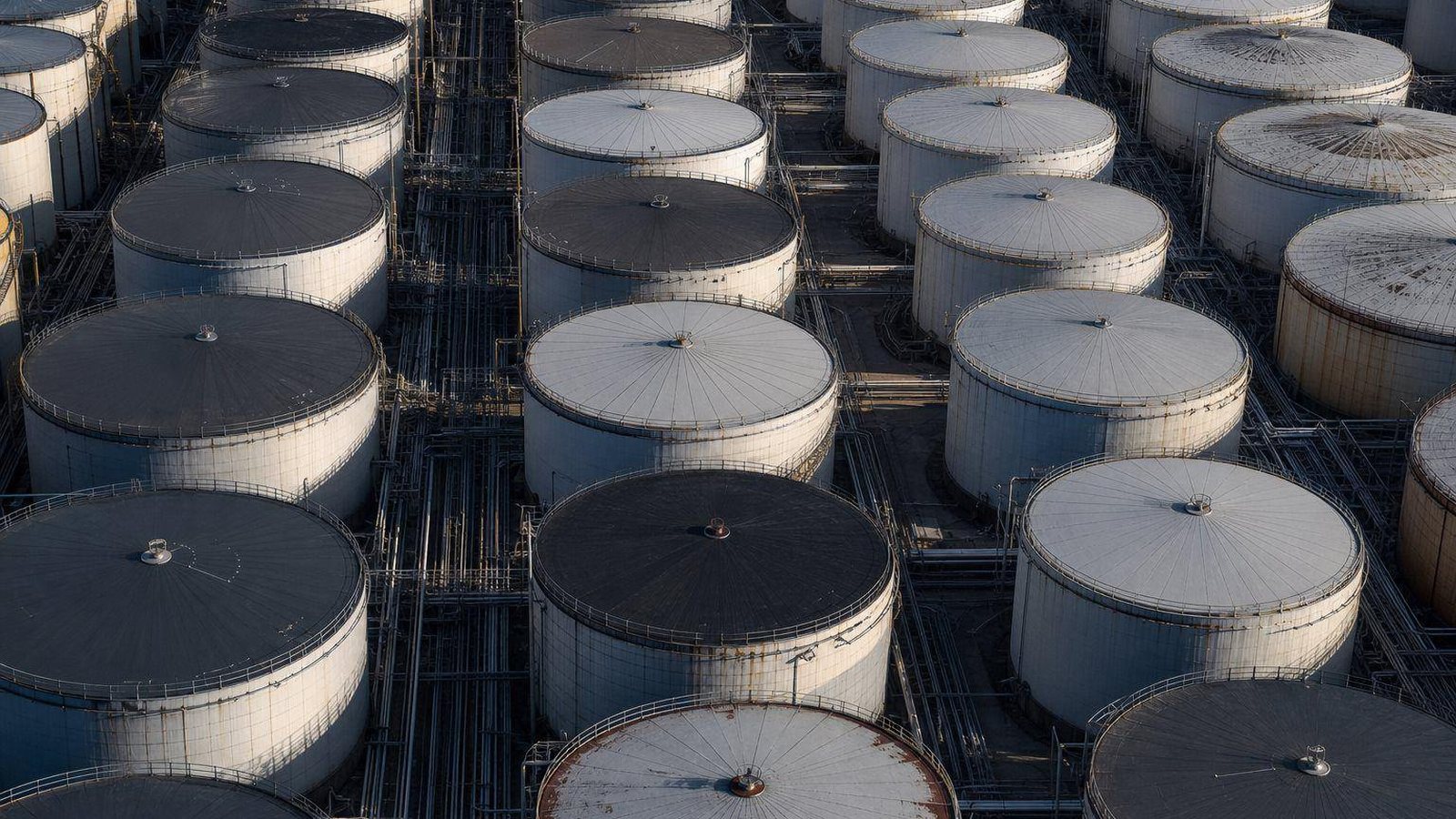
A storage tank is a custody position, not just a steel shell. The moment product crosses our flange, we answer for its quantity, its quality and its paperwork. Our terminal team gauges, samples and records every receipt and delivery to API MPMS practice, so the figures we report are figures an independent inspector can check.
We match each product to the right tank: floating roofs for crude and gasoline, nitrogen-blanketed stainless or coated tanks for sensitive chemicals, heated and insulated tanks for bitumen, fuel oil and palm products, and pressure vessels for LPG. Storage can be segregated, with your product alone in a dedicated tank, or commingled, where fungible product of one specification shares a tank and you own a measured share.
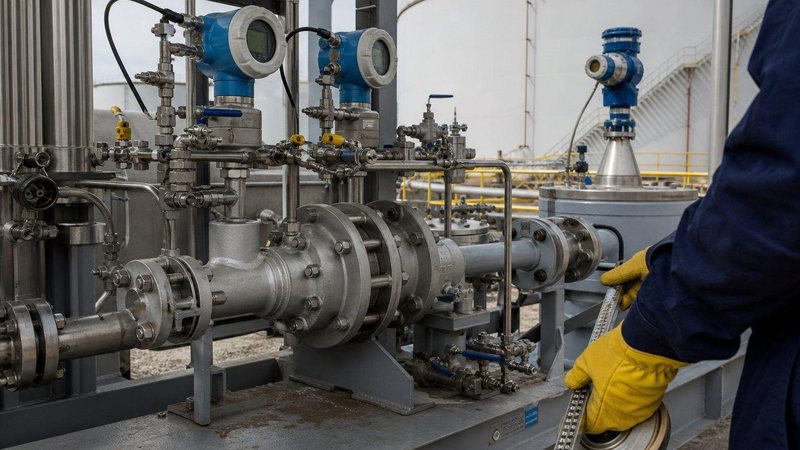
Custody Transfer Measurement
Every barrel accounted for starts here: how we gauge, sample and calculate the figures on your receipt.
Read moreIn this section

Crude Oil Storage
Floating-roof tankage, grade segregation, H2S control and blending to refinery spec.
Read more
Refined Products Storage
Gasoline blendstocks, ULSD and jet fuel on segregated systems, with dye and additive injection.
Read more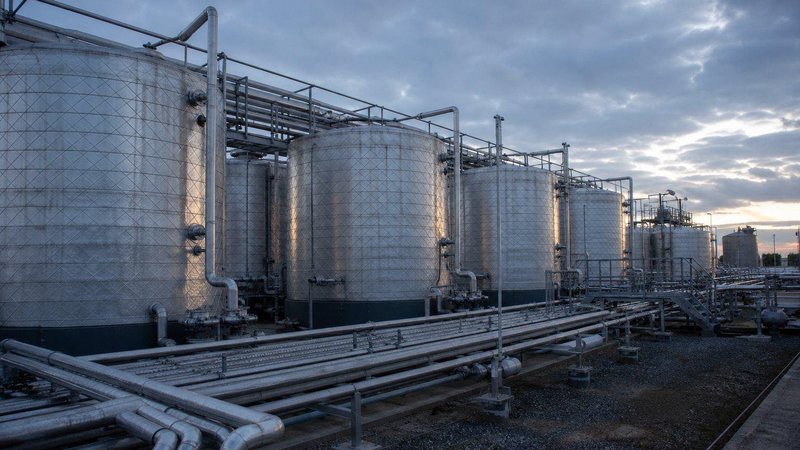
Chemical Storage
Tank material matched to product, nitrogen blanketing, dedicated lines and audited grade changes.
Read more
Renewables & Biofuels Storage
Ethanol, FAME, renewable diesel and SAF stored dry and warm, with records for ISCC and RINs.
Read more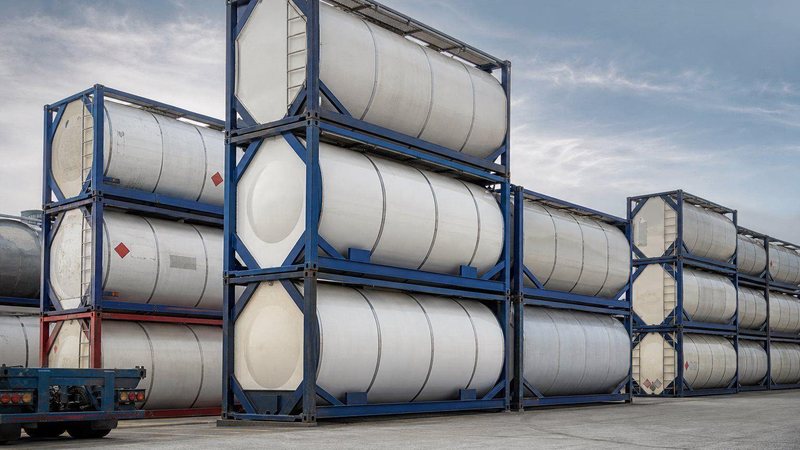
LPG & NGL Storage
Bullets, spheres and refrigerated tanks for propane, butane and NGL mixes.
Read more
Vegetable Oil Storage
Food-grade tankage, previous-cargo control and gentle heating for edible and technical oils.
Read more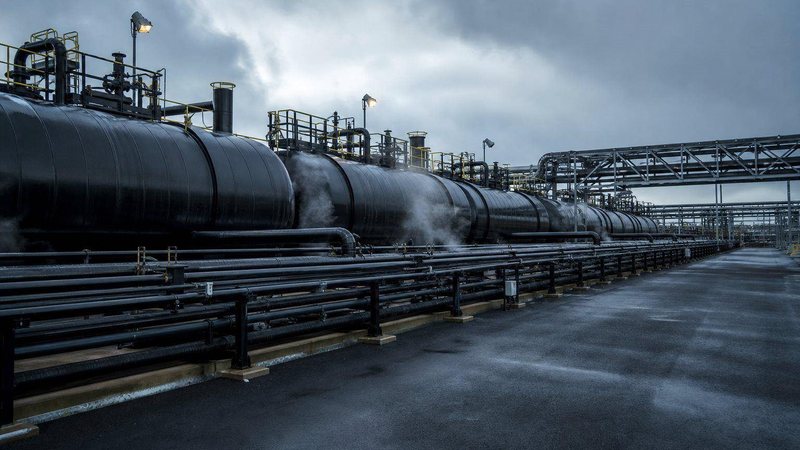
Bitumen & Asphalt Storage
Heated, insulated tanks at 150-180 °C for paving and polymer-modified binders.
Read more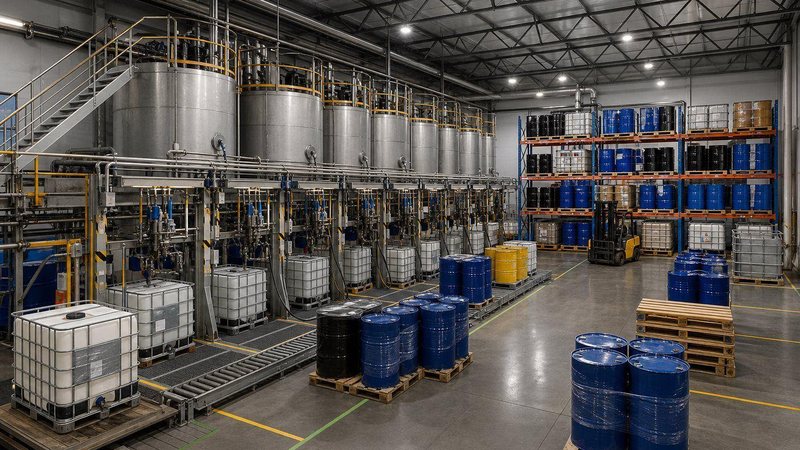
Base Oil Storage
Dedicated tanks for Group I to V base oils, kept dry and clean through to drum or truck.
Read more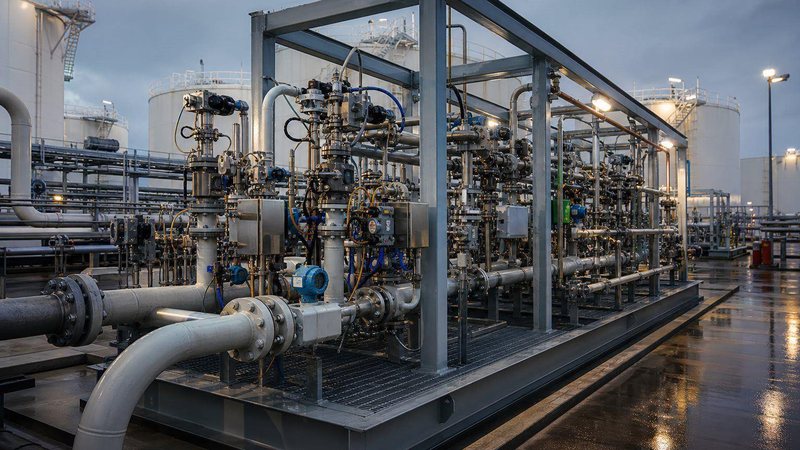
Blending & Additization
In-tank and inline blending and additive injection, verified by ASTM testing before release.
Read more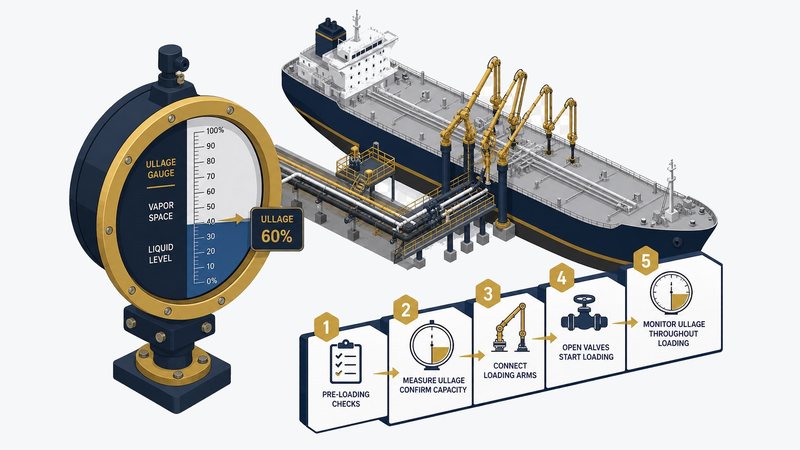
Throughput Agreements
Throughput fees, take-or-pay, excess throughput and the nomination cycle explained.
Read more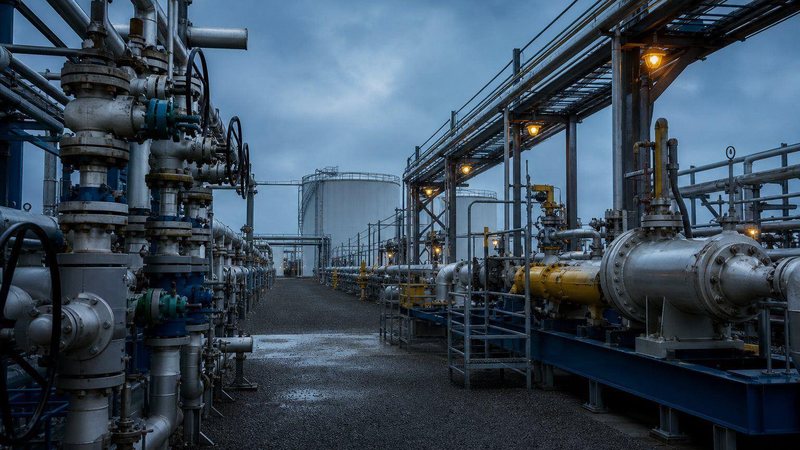
Tank & Line Heating
Steam, thermal oil and heat tracing for viscous products, with logged temperatures and clear pricing.
Read moreCustody Transfer Measurement
Tank gauging, meters and provers, sampling and volume correction to API MPMS standards.
Read moreHow a storage relationship works
Most customers start with a Tank Storage Agreement (TSA) that fixes the tank or capacity, the term, the products allowed, the fees and the measurement basis. Fees are usually a monthly capacity charge plus throughput and ancillary charges for heating, blending, additive injection and tank cleaning. Spot storage and term contracts follow the same measurement and documentation rules.
- Segregated tankage: one owner, one grade, one tank
- Commingled storage: fungible product, a measured share, a lower fee
- Term contracts with take-or-pay or throughput commitments
- Ancillary services priced separately and agreed in writing
See availability and allocations online
Our Tank-Farm Availability tool shows which tanks are free, reserved or booked, for how many days and at what price. Once product is in tank, a KYC-verified buyer or receipt holder sees the allocation in the Buyer / Receipt-Holder Portal, for example 50,000 MT of Jet A-1 in Tank #42. Every tracking number works on the public tracker and on a private link.
What we will never ask you to do
Advance-fee fraud in oil trading borrows storage vocabulary: tank storage receipts (TSR), authority to verify (ATV), dip test authorization (DTA) and offers to "inject" product into a tank for a fee. We issue storage documents only to verified counterparties under a signed Tank Storage Agreement, and only for product that is physically in our tanks.
Frequently asked questions
Do you store product for counterparties who have not passed KYC?
No. Storage agreements, storage receipts and portal access are issued only after KYC verification of the counterparty. Public cargo tracking works for any valid tracking number, but allocations and documents stay behind verification.
What is the difference between segregated and commingled storage?
Segregated storage keeps your product alone in a dedicated tank, so you take back the same barrels you delivered. Commingled storage places fungible product of the same specification in a shared tank, and you take back the same quantity and grade, not the same molecules. Commingled storage usually costs less.
Which standards guide your tank operations?
We work to API 650 for welded tank design, API 653 for in-service inspection and repair, API 2350 for overfill protection and API MPMS for measurement, together with the EPA, OSHA and state rules that apply where the product is stored.
Related
Custody Transfer Measurement
Tank gauging, meters and provers, sampling and volume correction to API MPMS standards.
Read more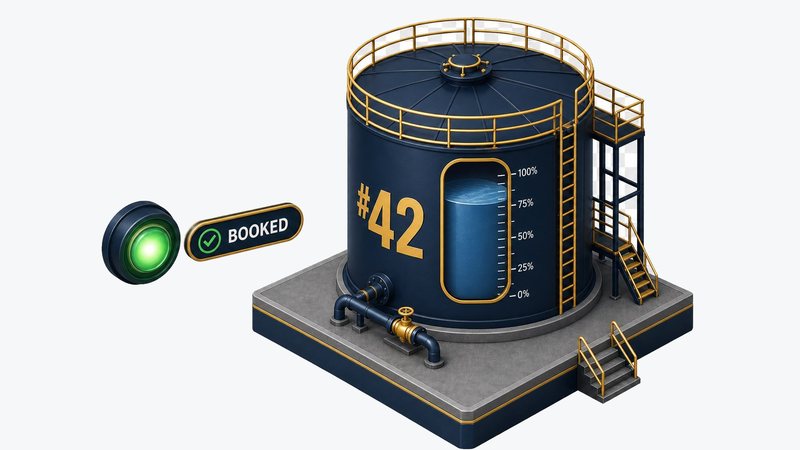
Tank-Farm Availability
Which tanks are free, reserved or booked, with days and price, and each tank farm on a map.
Read more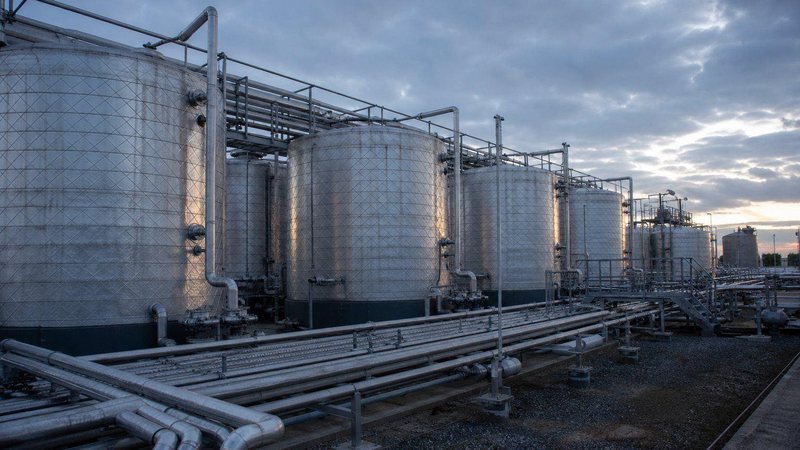
Tank Leasing: How Storage Deals Work
Dedicated or commingled, take-or-pay or throughput: how tank leases are priced and what to check.
Read moreThroughput Agreements
Throughput fees, take-or-pay, excess throughput and the nomination cycle explained.
Read moreNeed tankage for a cargo or a term program?
Tell us the product, volume, dates and services. We reply with what fits and what it costs.