


Refined Products Storage
Gasoline components, ULSD and jet fuel each have their own tanks, lines and rules. We keep them apart, keep them on specification and keep the paperwork that proves it.
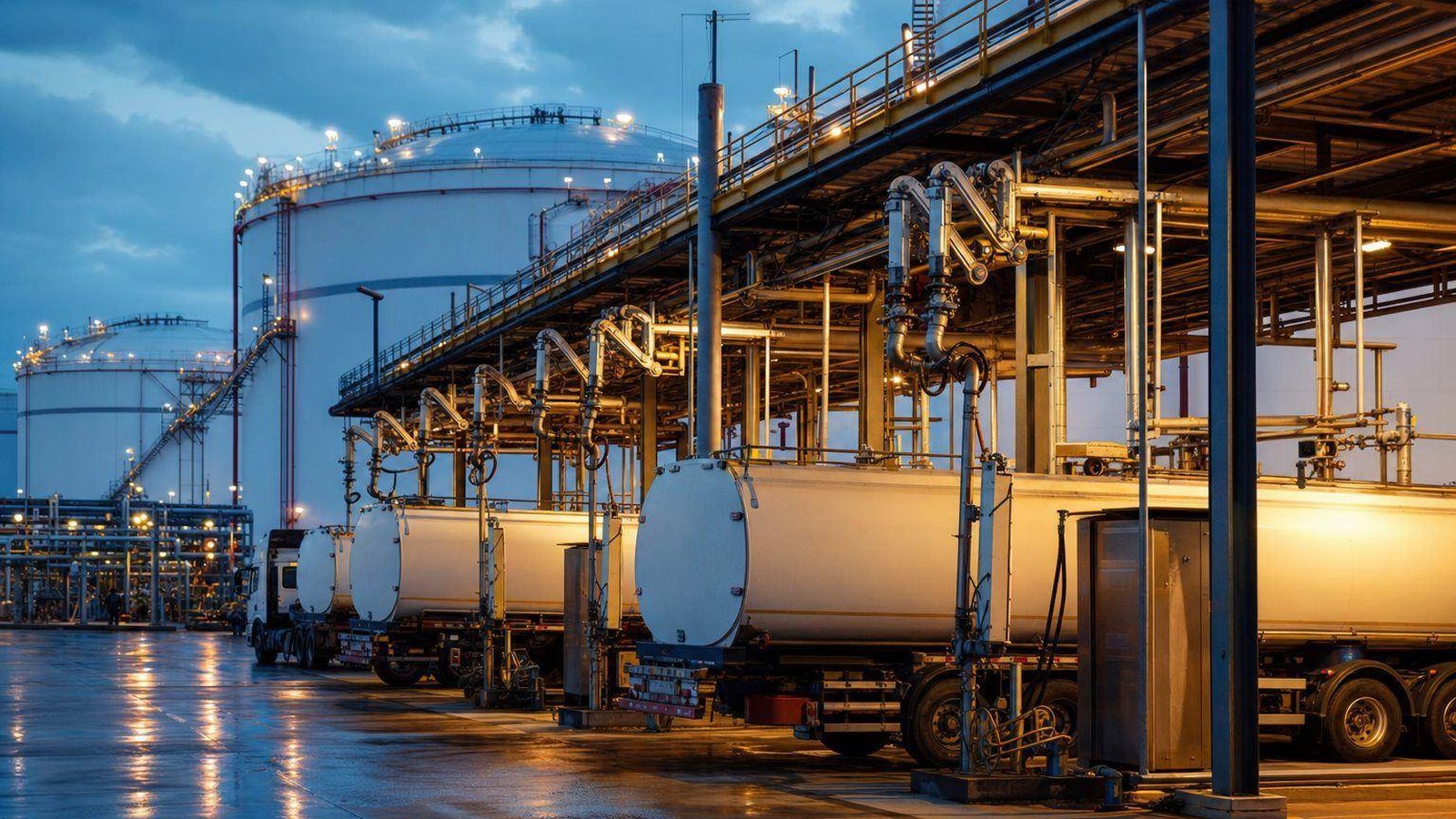
Refined products are sold against tight specifications, and the most common way to lose value in storage is contamination. A little gasoline in diesel drops its flash point. A few barrels of higher-sulfur distillate can push ULSD above its 15 ppm limit. Almost any foreign product in jet fuel takes it off specification. Our first job is to keep products apart.
We store gasoline blendstocks, finished distillates and aviation turbine fuel on segregated tank and line systems, with vapor control where volatility demands it and dye and additive injection at the point the specification requires. Each receipt and delivery is sampled, tested against the relevant ASTM specification and recorded against the tank and the batch.
Gasoline and its components
Most US gasoline leaves the refinery as a blendstock for oxygenate blending: RBOB for reformulated-gasoline markets and CBOB for conventional markets. Ethanol is added at the terminal rack, usually at 10 percent, to make finished gasoline. We also store components such as alkylate, reformate, isomerate, natural gasoline and butane for customers who build their own grades.
Volatility is seasonal. Lower vapor pressure limits apply at terminals from May 1 to September 15, which changes how much butane a blender can add and which inventories must turn over before the switch. We plan tank turnovers with each customer ahead of every seasonal change so the right grade is in tank on time.
Diesel and ULSD
Ultra-low sulfur diesel (ULSD) is limited to 15 ppm sulfur under EPA fuel rules in 40 CFR Part 1090, and ASTM D975 sets the rest of the specification. Because a small amount of higher-sulfur product can spoil a full tank, ULSD runs on its own tanks and lines, and line flushes and interfaces are tested before product reaches a ULSD tank.
- Lubricity additive where needed to meet the D975 wear-scar limit
- Static dissipater additive to raise conductivity in low-sulfur fuel
- Cold-flow improvers dosed for the season and delivery region
- Red dye injected into untaxed off-road diesel under IRS rules
Jet A and Jet A-1
Aviation fuel gets dedicated tankage. Jet tanks have floating suctions that draw from the upper layers, sloped bottoms with low-point drains for water, internal coatings and filtration on receipt and delivery. After each receipt the fuel is left to settle before it is sampled, tested and released. Water drains and visual checks follow a set routine and are logged.
Jet fuel must stay clear of other products, including trace FAME from biodiesel blends, which jet specifications tightly limit. Every movement into a jet tank is followed by recertification testing before the fuel moves on, so the chain of quality documents stays unbroken from refinery to airport.
Segregation and vapor control
Products that give off vapor at storage temperature go into floating-roof tanks. Truck racks bottom-load and send displaced vapor to a vapor recovery or combustion unit, as EPA rules for bulk gasoline terminals require. Marine loading of volatile products uses vapor control systems under Coast Guard rules in 33 CFR Part 154.
| Product | Typical tank | Key controls |
|---|---|---|
| RBOB / CBOB | Internal or external floating roof | Seasonal vapor pressure planning; vapor recovery at the rack |
| Blend components | Floating roof; butane in pressure vessels | Component tracking for blend records |
| ULSD | Usually fixed roof | Dedicated lines; sulfur test on every receipt |
| Jet A / Jet A-1 | Coated, dedicated, floating suction | Filtration, settling, water drains, recertification |
| Heating oil and higher-sulfur distillate | Fixed roof | Kept off ULSD and jet systems |
| Fuel ethanol for rack blending | Internal floating roof | Kept dry; fed to ratio blending at the rack |
Frequently asked questions
Can ULSD and heating oil share a line?
We avoid it. Where a shared line cannot be avoided, the line is flushed with ULSD, the interface is cut into the higher-sulfur tank and the line is tested for sulfur before any ULSD goes to a ULSD tank.
Do you inject additives for branded gasoline?
We inject the detergent package the customer specifies at the rack, at the rate the customer or brand sets and never below the EPA minimum, and keep the injection records the detergent rules require. The additive is supplied by the customer or by agreement.
Is Jet A the same as Jet A-1?
They are close but not identical. Jet A, used mainly in the United States, has a maximum freezing point of -40 °C. Jet A-1, used on most international routes, has a maximum of -47 °C. We store them separately unless the owner agrees to downgrade Jet A-1 to Jet A.
What happens at the summer volatility switch?
Tanks holding winter-grade gasoline must be drawn down and refilled so the product in tank meets the lower summer vapor pressure limit by the compliance date. We plan these turnovers with each customer weeks ahead and test vapor pressure before the deadline.
Related
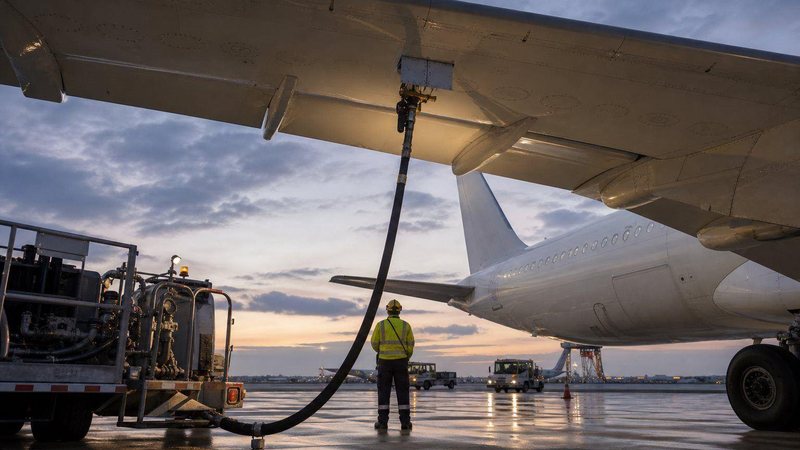
Aviation Fuel Storage and Freight
Jet A and Jet A-1 handled with dedicated tankage, batch recertification and strict water control.
Read more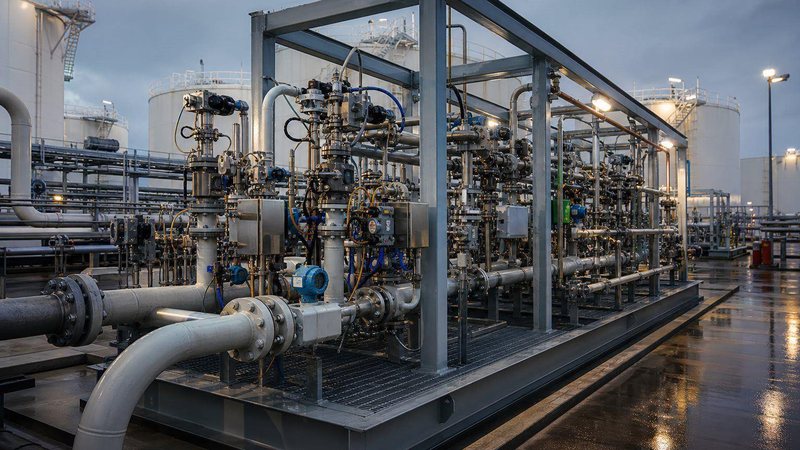
Blending & Additization
In-tank and inline blending and additive injection, verified by ASTM testing before release.
Read more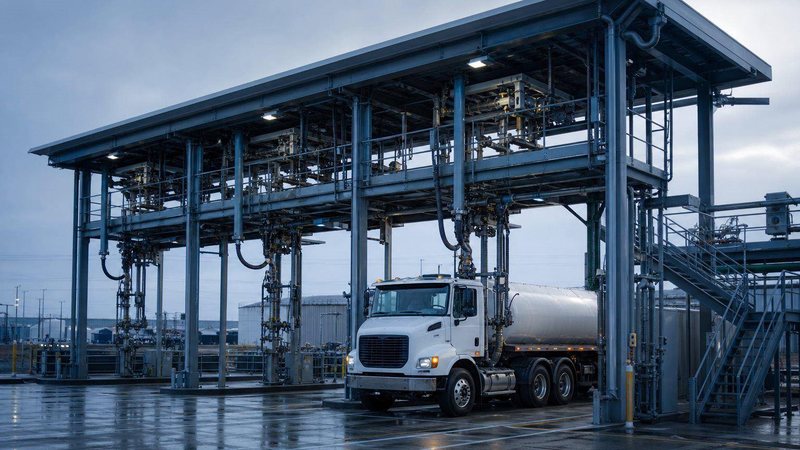
Tank Truck Transport
Cargo tank trucks and ISO tanks for rack loading, last-mile delivery and transload moves.
Read more
Fuel Quality Specifications
ISO 8217, ASTM D975 and D1655, EN 590 and EN 14214: which spec governs which fuel.
Read moreStoring products for a rack, a pipeline or an airport?
Tell us the grades, monthly volumes and the additives you need. We will set out tankage, segregation and injection.