


Tank Truck Transport
Trucks carry the last miles: from the terminal rack to a retail site, an airport, a plant or a rail transload. We arrange the load, the qualified carrier and the paperwork for each one.
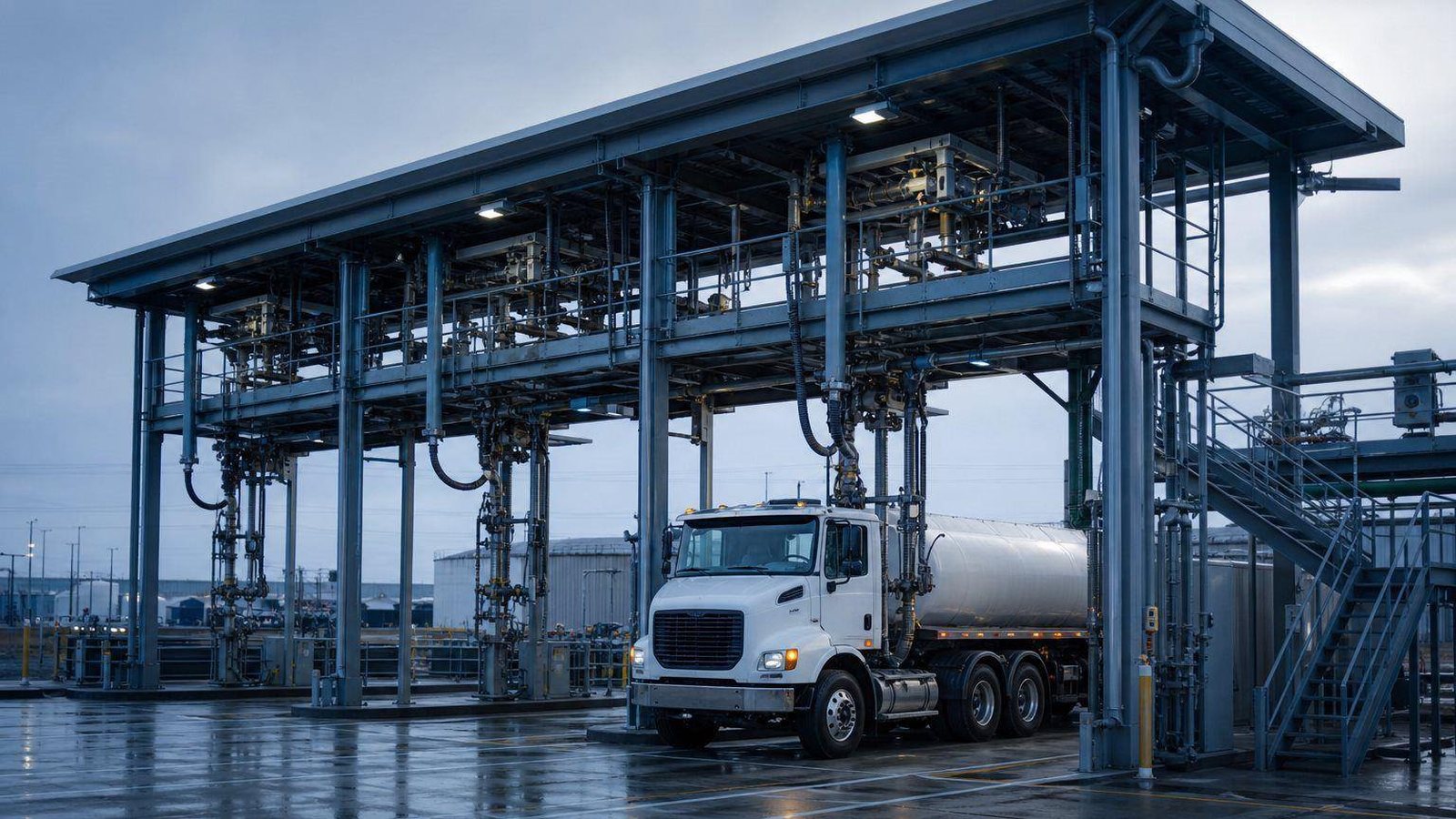
Road is the smallest and most flexible bulk-liquid mode. A single cargo tank trailer carries a couple of hundred barrels, yet trucks reach any receiving point with a driveway and a tank. They link terminals to retail fuel stations, airports, farms, power plants and industrial users, and they shuttle product to rail or barge transloads when volumes are too small for anything else.
Each truckload also carries its own set of rules. The cargo tank, the driver, the hours the driver works, the shipping papers and the loading rack are each regulated, mostly under Title 49 of the Code of Federal Regulations. We plan every load so that each requirement is met before the truck reaches the rack, because a truck turned away at the gate is a delivery missed.
Cargo tanks and containers
The specification plate on a cargo tank tells you what it may carry. DOT-406 is the current specification for gasoline, diesel and other low-pressure liquids; MC-306 is its predecessor, still in service on older tanks but no longer built. Most fuel trailers have several compartments, so one load can deliver more than one grade to the same site.
| Specification | Carries | Notes |
|---|---|---|
| DOT-406 / MC-306 | Gasoline, diesel, jet fuel, ethanol | Low pressure, usually aluminum, multi-compartment |
| DOT-407 / MC-307 | Chemicals and some flammable liquids | Higher design pressure; often stainless, often insulated |
| DOT-412 / MC-312 | Corrosives such as acids and caustics | Built for heavy, corrosive liquids |
| MC-331 | Propane, butane, anhydrous ammonia | Pressure vessel for liquefied compressed gases |
| ISO tank container | Chemicals, food-grade and specialty liquids | Tank in a 20-ft frame; moves by road, rail and sea |
| Heated or insulated trailer | Asphalt and heavy oils | Keeps product above pumping temperature |
Drivers, hours and endorsements
A driver hauling a placarded load of fuel needs a commercial driver's license with the tank vehicle (N) and hazardous materials (H) endorsements, often combined as X. The H endorsement requires a TSA security threat assessment. Hours of service under 49 CFR Part 395 cap driving at 11 hours within a 14-hour on-duty window, after 10 consecutive hours off.
- CDL with N and H endorsements, or X for both
- 30-minute break after 8 cumulative hours of driving
- 60 hours in 7 days or 70 hours in 8 days, reset by 34 hours off
- Electronic logging device records duty status
- Shipping papers with UN number, proper shipping name, hazard class and packing group
- Placards on all four sides of the cargo tank
At the loading rack
Terminal racks load trucks from the bottom. The driver connects API adapters to each compartment, connects the vapor hose and plugs in the overfill and ground cable. The rack will not pump until its permissive system confirms that the truck is grounded and the overfill sensors are dry. Preset meters stop each compartment at the ordered volume, and additives are injected in-line.
Vapor displaced from the compartments travels through the vapor hose to a vapor recovery unit or vapor combustor rather than venting to air. US bulk gasoline terminals are subject to EPA vapor-control rules, and gasoline cargo tanks that load at them must pass an annual vapor tightness test.
ISO tank containers
For small parcels, specialty chemicals and international moves, the ISO tank container is the flexible choice. It is a tank, usually stainless steel, in a standard 20-foot frame, commonly holding around 20,000 to 26,000 liters. It moves by truck chassis, rail flatcar and container ship without the product being transferred, and its portable tank instruction, such as T11 or T14, sets what it may carry under the UN Model Regulations and the IMDG Code.
How it works
- 1Order and authorize
Load ordered; carrier and driver set up in the terminal system.
- 2Check in
Driver badges in; the rack confirms authorization and compartment plan.
- 3Connect
API adapters, vapor hose and ground and overfill cable connected.
- 4Load
Preset meters fill each compartment; additives inject in-line.
- 5Bill of lading
Gross and net gallons print on the BOL and the truck leaves the rack.
Frequently asked questions
How many gallons does a fuel truck carry?
A typical DOT-406 gasoline trailer carries roughly 8,000 to 9,500 gallons, split across several compartments. The real limit is weight: with an 80,000-pound gross vehicle limit on federal highways, denser products such as diesel load fewer gallons than gasoline.
Are truck loads measured in gross or net gallons?
Rack meters record gross gallons at the actual product temperature and calculate net gallons corrected to 60°F. Which figure is invoiced depends on the contract, and the bill of lading shows both so either party can check the other.
Can product move by ISO tank across borders?
Yes. An ISO tank travels by road, rail and sea without the product being transferred. We check the tank's portable tank instruction against the product, the last cargo and cleaning record, and the dangerous goods paperwork for each leg, such as IMDG documents for the sea leg.
What is vapor recovery and why does it matter?
When a compartment fills, it pushes out vapor. At a rack with vapor control, that vapor is captured through a hose and sent to a recovery unit or combustor instead of the air. It protects air quality, the driver and the rack, and EPA rules require vapor control at most US bulk gasoline terminals.
Related
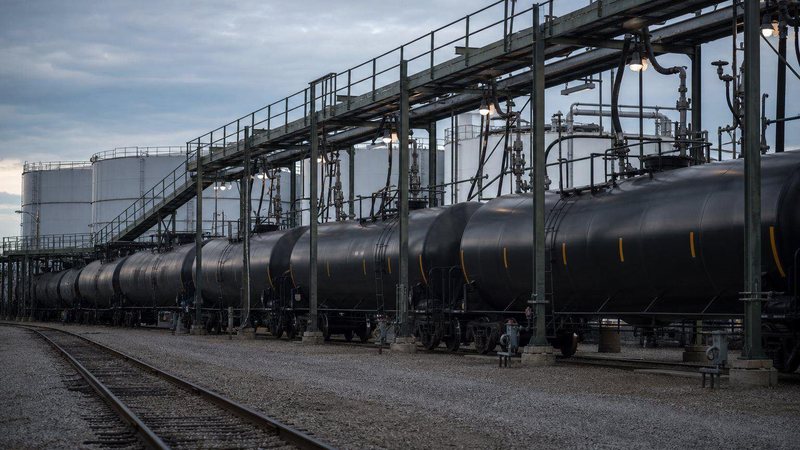
Rail Tank Car Transport
DOT-117 tank cars, unit trains, manifest service and transloading for crude, products and renewables.
Read more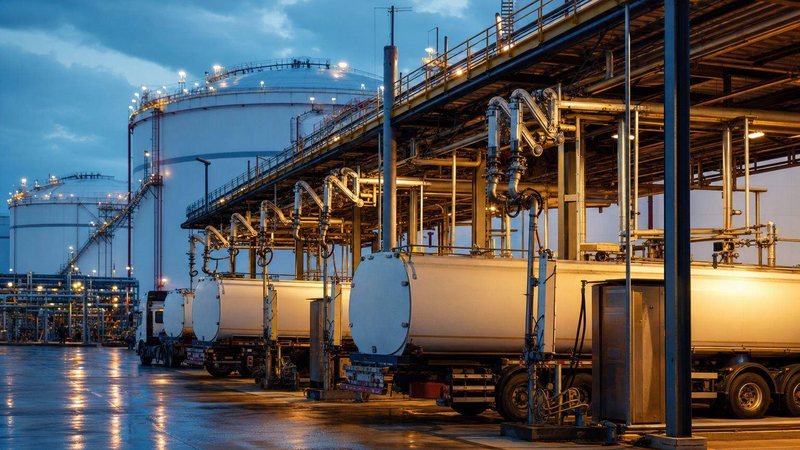
Refined Products Storage
Gasoline blendstocks, ULSD and jet fuel on segregated systems, with dye and additive injection.
Read more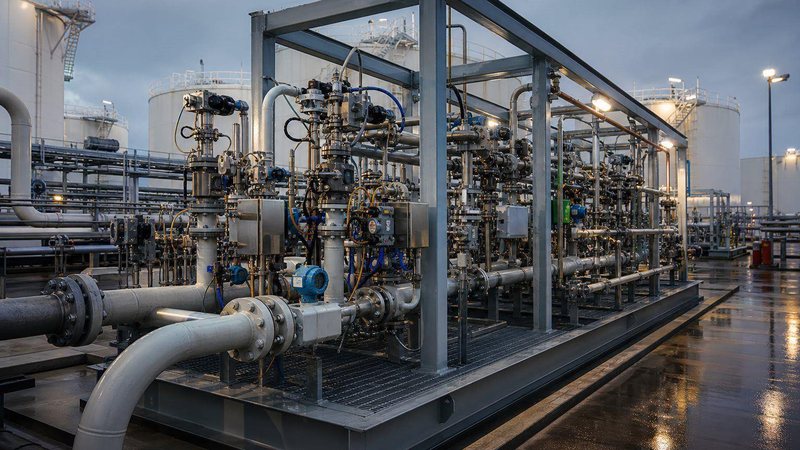
Blending & Additization
In-tank and inline blending and additive injection, verified by ASTM testing before release.
Read more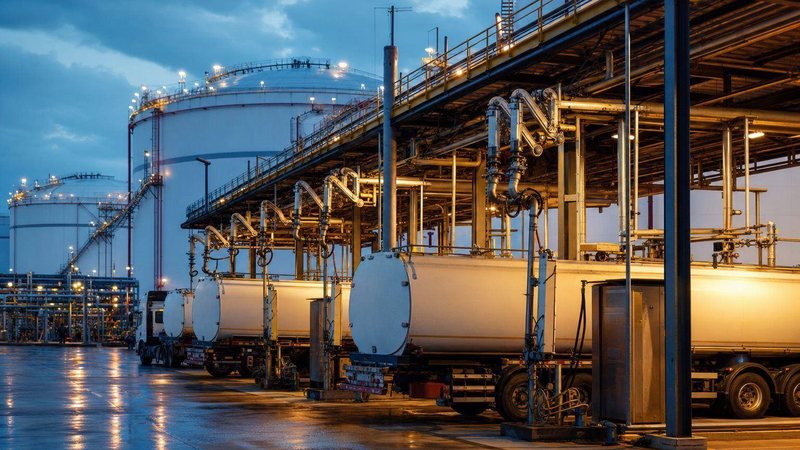
Offtakers and Distributors
Rack, rail and truck lifting in parcels sized for wholesale buyers and regional fuel distributors.
Read moreArrange truck loads
Send product, volumes, delivery points and schedule. We match qualified carriers, rack slots and paperwork.