


Insights & Guides
Practical guides from terminal, inspection and chartering people for the buyers, traders and schedulers who rely on our numbers. Every barrel accounted for starts with knowing how it is counted.

Storage and freight contracts are full of terms that move money: outturn, laytime, take-or-pay, VCF. A buyer who understands them asks sharper questions, reads an inspection certificate with confidence and notices when a claim does not add up. This hub collects the explanations our terminal, inspection and chartering teams give clients, written down once and kept current.
The guides are long-form and practical. They work through examples with clearly hypothetical numbers, name the standards that actually govern the work (API MPMS, Incoterms 2020, ASBATANKVOY, ISO 8217:2024, ASTM and EN fuel specifications) and say plainly where a contract, not a rule of thumb, decides the answer. Nothing here is legal advice. When a deal turns on a clause, read the clause.
Alongside the guides you will find a glossary of more than sixty terms, answers to the questions clients ask us most, evergreen briefings on market and operational topics, and a calendar of recurring industry gatherings. Use them as reference: bookmark the glossary, send the FAQ to a new colleague, and read a briefing before a meeting.

Custody Transfer, Explained
Start here if you buy or hold product in tank: how a gauge reading becomes the metric tons on your invoice.
Read moreIn this section
Custody Transfer, Explained
From TOV to NSV to metric tons: the quantity chain behind every invoice, with a worked example.
Read more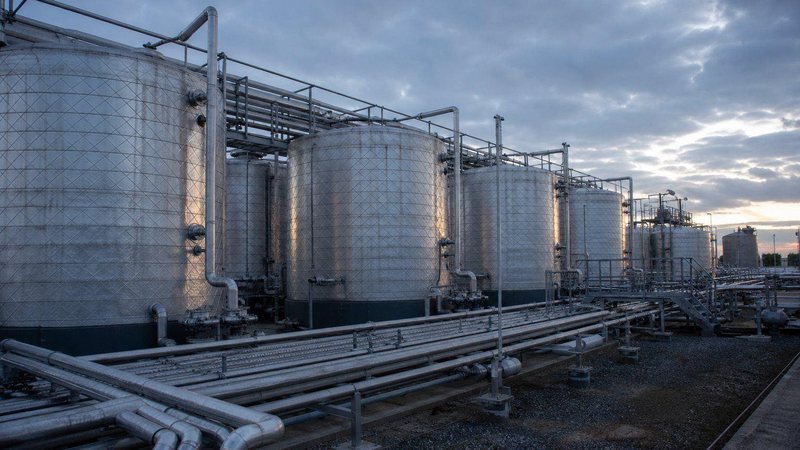
Tank Leasing: How Storage Deals Work
Dedicated or commingled, take-or-pay or throughput: how tank leases are priced and what to check.
Read more
Incoterms 2020 for Bulk Liquids
FOB, CFR, CIF and DAP for liquid cargoes, risk on board, and what replaced DES.
Read more
Laytime and Demurrage, Explained
NOR, laytime, demurrage and despatch, with a worked tanker claim using hypothetical figures.
Read more
Tank Gauging: Reading the Numbers
Innage, ullage, ATG and manual gauges, and a worked opening and closing gauge report.
Read more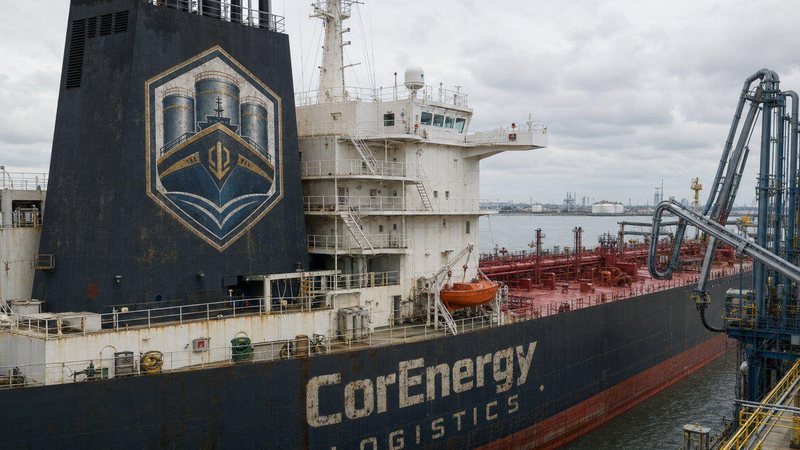
Tanker and Conveyance Sizes
MR to VLCC, barges, ATBs, rail cars and trucks: typical sizes and what they carry.
Read more
Fuel Quality Specifications
ISO 8217, ASTM D975 and D1655, EN 590 and EN 14214: which spec governs which fuel.
Read more
Glossary of Terminal and Freight Terms
More than seventy storage, measurement, chartering and fuel terms, defined in plain English.
Read more
Frequently Asked Questions
Storage, freight, tracking, portal access, documents, payments and fraud awareness, answered.
Read more
Industry Briefings
Six evergreen briefings on storage economics, measurement, renewables, vetting and fraud.
Read more
Industry Calendar
Recurring energy, terminal and shipping gatherings, with typical timing and why each matters.
Read moreWhere to start
Each guide stands alone, but they connect. Measurement leads into contracts, contracts into freight, freight into specifications. Pick the row that describes your role most closely and follow the reading order. The glossary is there whenever a term stops you.
| If you are | Start with | Then read |
|---|---|---|
| A cargo buyer or receipt holder | Custody transfer | Tank gauging, then fuel quality specs |
| A trader booking storage | Tank leasing | Incoterms for bulk liquids |
| A charterer or scheduler | Laytime and demurrage | Vessel sizes |
| In procurement or compliance | Fuel quality specs | FAQ, then the glossary |
| New to the industry | Glossary | Briefings, then any guide |
How these guides are written
We hold the guides to the same standard as a quantity certificate: every figure traceable, every assumption stated. Where practice varies between contracts, ports or charter forms, we say so rather than pretend there is one answer that fits every deal.
- Standards are cited by name and edition, so you can check the source
- Worked examples use hypothetical numbers, labeled as such
- No prices, market calls or forecasts
- Terms are explained the first time they appear
- The contract always governs; the guides explain what it is likely to mean
A word on document fraud
Some of the vocabulary in these pages, such as TSR, ATV and DTA, belongs to genuine terminal operations and is also the stock-in-trade of advance-fee oil fraud. Knowing how real storage and inspection work is the most reliable protection against people who imitate them.
Frequently asked questions
Is anything in these guides legal or commercial advice?
No. The guides explain how standard terms and industry practice usually work. Your sale contract, charter party and Tank Storage Agreement govern your position, and for a dispute you should take advice from a lawyer who has read those documents.
Do the worked examples reflect your rates or terms?
No. Every number in a worked example is hypothetical and chosen to make the arithmetic clear. For actual storage terms see Tank-Farm Availability or ask our desk for an offer; freight is quoted per inquiry.
What if my question is not covered here?
Send it through the contact form under the general topic, or call +1 252 633 7061. Questions that come up repeatedly are the ones we add to the guides.
Related

Custody Transfer Measurement
Tank gauging, meters and provers, sampling and volume correction to API MPMS standards.
Read more
Chartering Desk
Voyage, time charter and COA fixtures, Worldscale freight, laytime and demurrage handled end to end.
Read more
How the Tools Work
Step-by-step use of the tracker, tank availability and buyer portal, plus languages and sharing.
Read moreA question the guides do not answer?
Our terminal and chartering teams will explain a figure, a clause or a document in plain terms.