


Blending & Additization
We blend components and inject additives to a written recipe, then prove the result in the laboratory before the product leaves the tank.
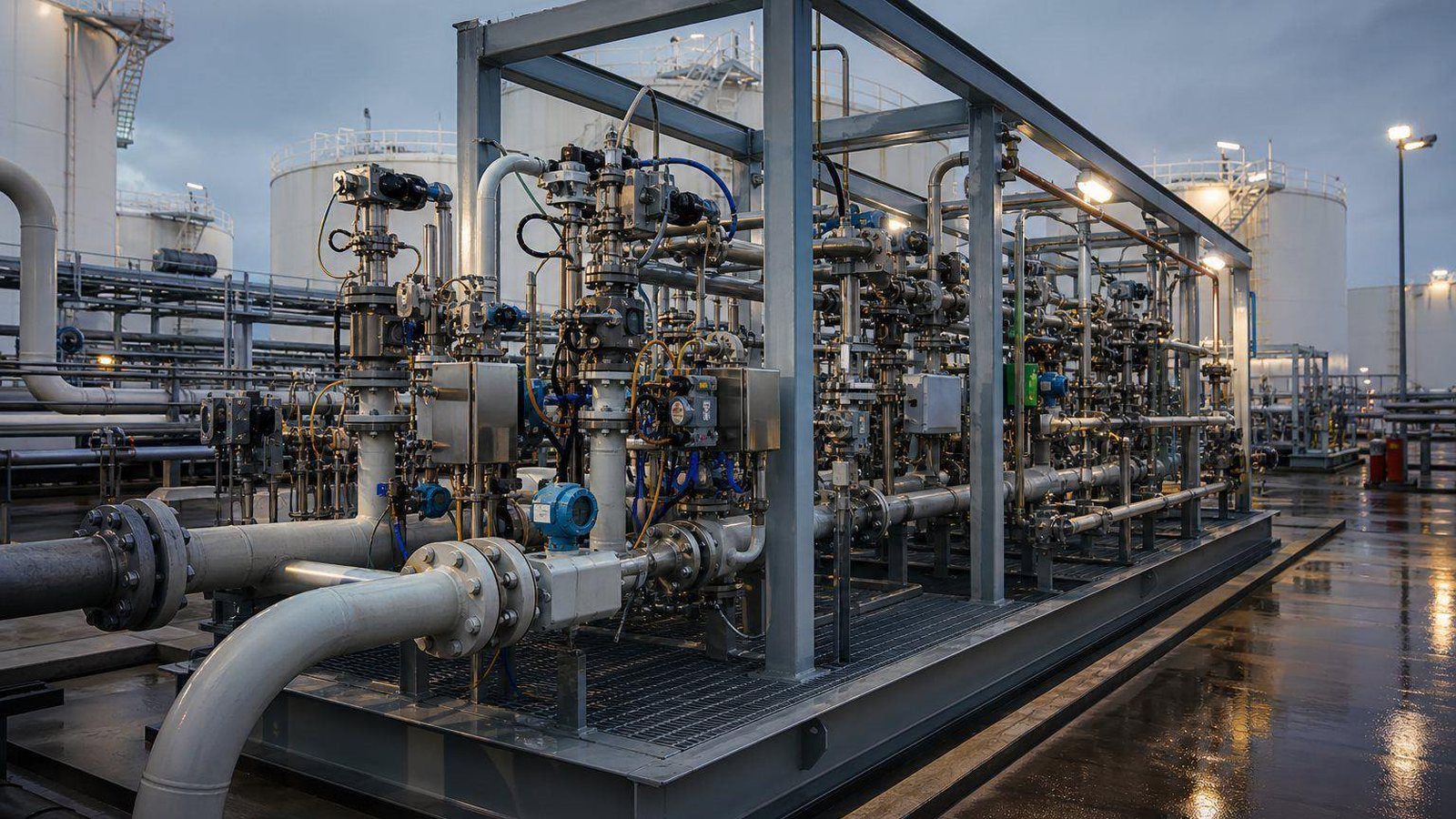
Blending turns components into a saleable product: a crude slate to a refiner's target, a gasoline blendstock with the right octane and vapor pressure, a diesel with enough cold-flow performance for its delivery region. Additization adds the small doses of chemistry that make a fuel or oil perform. Both are only as good as the recipe, the metering and the test that confirms them.
We blend in tank or inline, inject additives and dye at the rack or into tank, and record every recipe, component quantity and test result. The aim is a product that meets its specification with the least giveaway: no more octane, cetane or additive than the contract pays for, and a record that shows how it was made.
In-tank or inline
In-tank blending is flexible and easy to verify: the tank is a closed batch that is mixed, sampled and certified. Inline blending saves tank time and handling, but depends on accurate meters and analyzers because the product is finished as it flows. We choose the method by product, batch size and how tightly the specification is drawn.
| Factor | In-tank blending | Inline blending |
|---|---|---|
| How it works | Components received into one tank, then mixed | Components metered together under ratio control |
| Mixing | Side-entry or jet mixers, or circulation | Static mixer in the blend header |
| Quality check | Upper, middle and lower samples after mixing | Online analyzers plus a composite sample |
| Suits | Large batches; crude and component blends | Repeat recipes; rack and direct-to-ship blends |
| Correction | Trim with more component and re-mix | Adjust ratios during the blend |
Recipes and records
Every blend starts with a written recipe: the components, their ratios, the property targets with tolerances and the tests that will confirm them. Component quantities are measured to custody standard going in, and the blend is measured coming out, so any volume gain or shrinkage is visible rather than buried in a loss account.
Additive and dye injection
Additives are dosed in parts per million, so small metering errors matter. Rack injectors dose each load by meter pulse, and in-tank treatment is dosed against measured tank volume. We verify injector calibration on a set routine and reconcile additive used against product delivered, so the owner can see that every load received its dose.
- Gasoline detergent packages at the brand rate, never below the EPA minimum
- Diesel lubricity, conductivity, cetane and cold-flow additives
- Red dye for untaxed diesel under IRS rules
- Antioxidants for biodiesel and other stability-sensitive products
- Proprietary packages supplied by the owner and dosed to their instructions
Laboratory verification
Testing proves the recipe worked. Tests run at the terminal laboratory or an independent laboratory, depending on the product and the contract, and results go on a certificate of quality tied to the tank and batch. Retained samples are kept so any test can be repeated if a buyer or inspector questions the result.
| Product | Typical ASTM tests |
|---|---|
| Crude oil | D287 or D4052 gravity and density; D4294 sulfur; D4007 water and sediment |
| Gasoline | D5191 vapor pressure; D86 distillation; D2699 and D2700 octane; D5453 sulfur |
| Diesel | D86; D93 flash point; D2500 cloud point; D613 cetane or D976 index; D5453 sulfur |
| Jet fuel | D86; D56 flash point; D2386 or D5972 freezing point; full D1655 table |
| Base oils | D445 viscosity; D2270 viscosity index; D1500 color; Karl Fischer water |
How it works
- 1Recipe
Agree components, ratios, targets and test methods in writing.
- 2Components in
Receive and measure each component and test it against its own certificate.
- 3Blend
Mix in tank or meter inline, with additives injected at the agreed rate.
- 4Verify
Sample and test; trim and re-test if a property sits outside tolerance.
- 5Release
Issue the certificate of quality and update the owner's inventory.
Frequently asked questions
Who owns the blended product?
The owner of the components owns the blend unless the agreement says otherwise. When components from different owners are blended, ownership shares are fixed in writing before blending and the blend is allocated on the measured result.
What is giveaway?
Giveaway is quality delivered beyond what the specification requires, such as extra octane in gasoline or sulfur well under the limit. It costs money because better components cost more. A good recipe meets the specification with a small, deliberate margin.
Can you blend biofuels into fuels?
Ethanol is blended at the rack, and biodiesel or renewable diesel into distillate, within the limits of the relevant ASTM specification. FAME blends are kept away from jet fuel tanks and lines at all times.
What happens if a blend misses specification?
We hold it in tank, report the result to the owner and agree a correction: trim with more of a component, re-blend or reclassify the product. Nothing is released against a certificate it does not meet.
Related
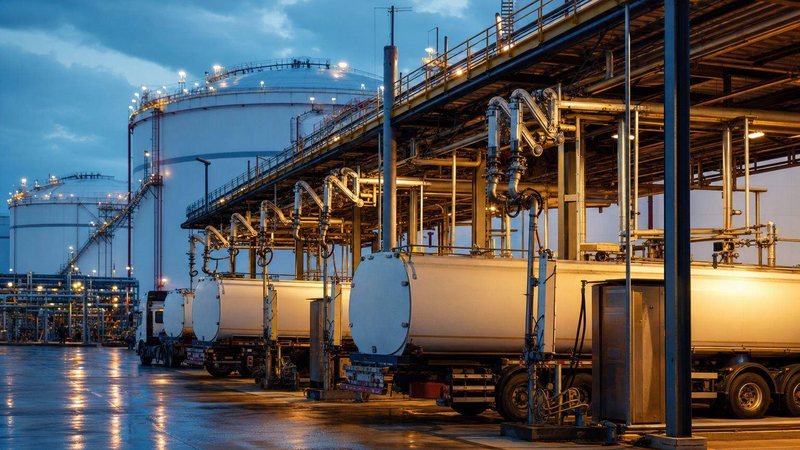
Refined Products Storage
Gasoline blendstocks, ULSD and jet fuel on segregated systems, with dye and additive injection.
Read more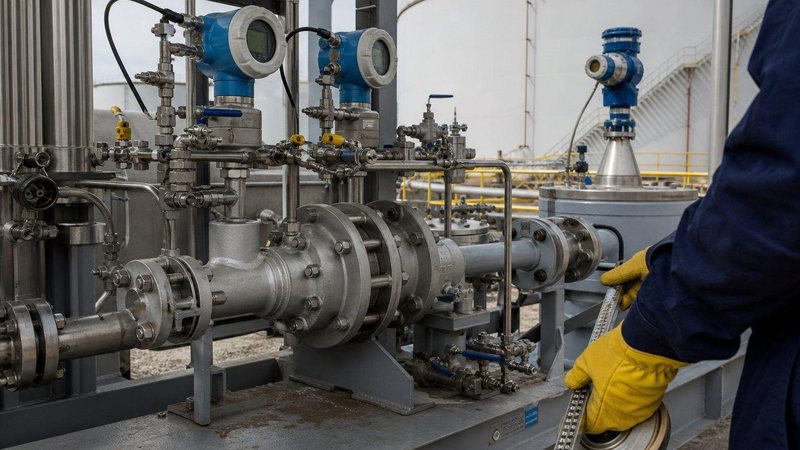
Custody Transfer Measurement
Tank gauging, meters and provers, sampling and volume correction to API MPMS standards.
Read more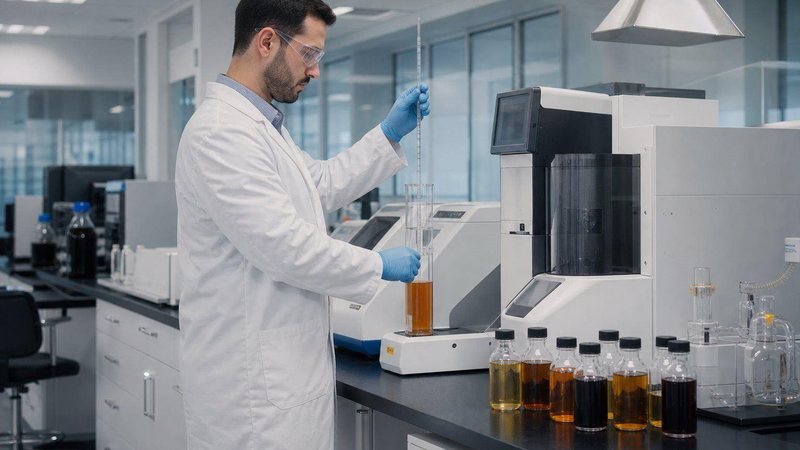
Fuel Quality Specifications
ISO 8217, ASTM D975 and D1655, EN 590 and EN 14214: which spec governs which fuel.
Read more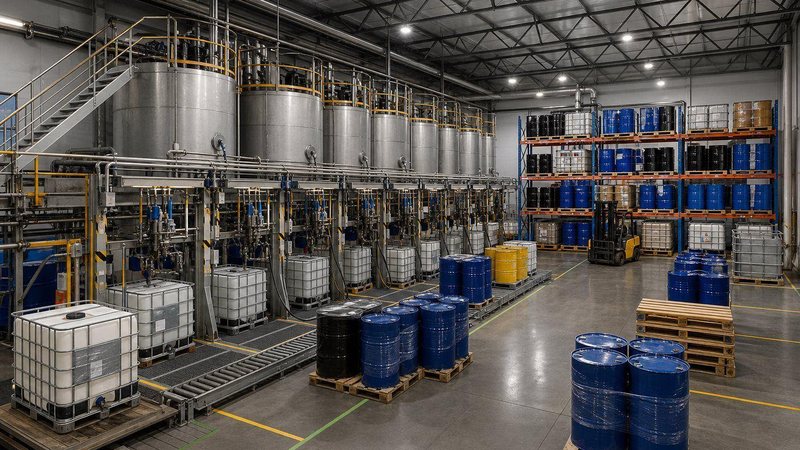
Base Oil Storage
Dedicated tanks for Group I to V base oils, kept dry and clean through to drum or truck.
Read moreHave a recipe to run?
Send the components, targets and volumes. We will propose the method, the tests and the cost per batch.