


Our Terminals
How our owned and leased tank-farm capacity is organized, measured and reported, and what a client sees for every tank. Live availability for each terminal follows below.
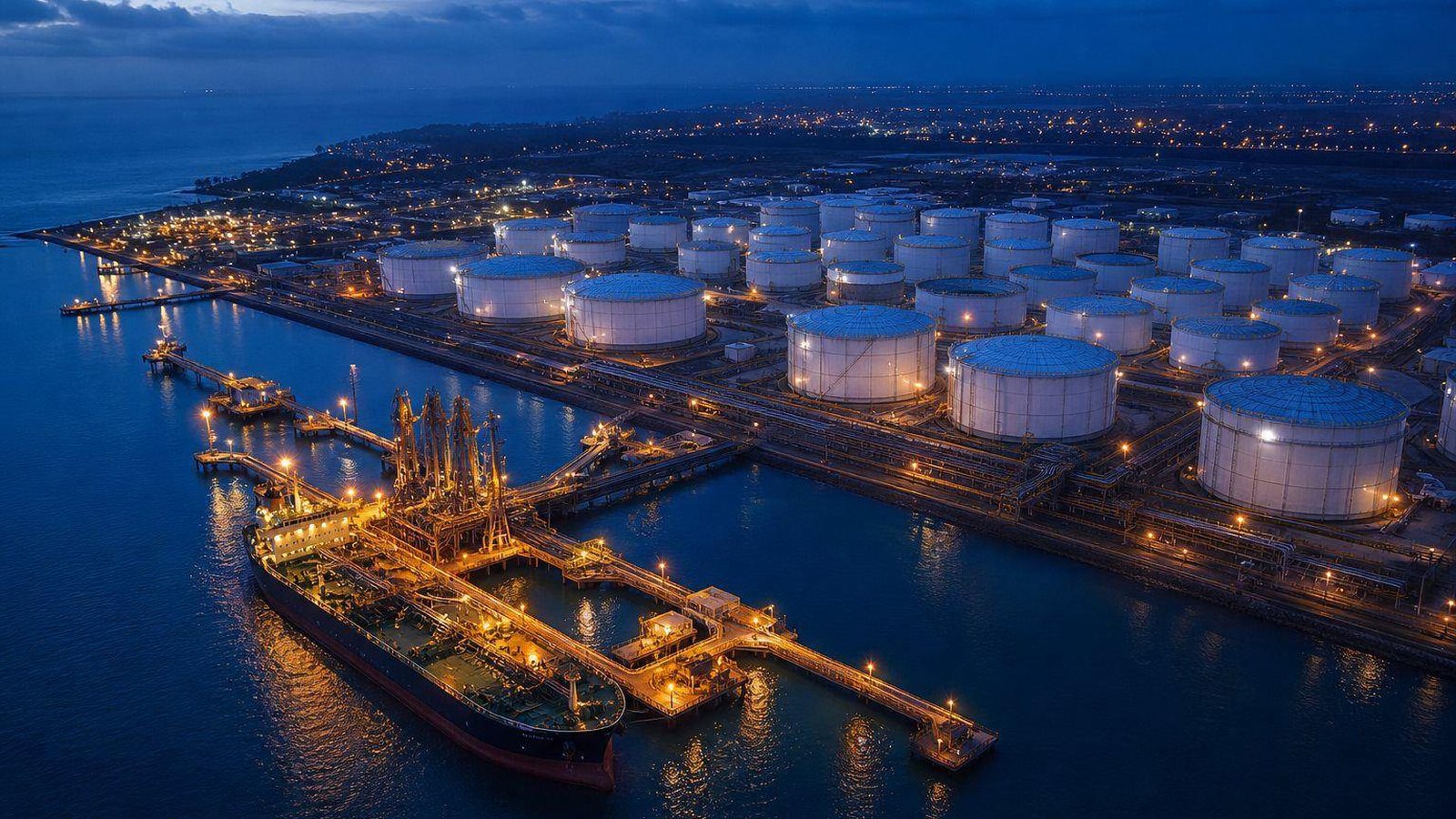
We store product in tank-farm capacity we own and in capacity we lease from other terminal operators. For the client the standards are the same either way: the same storage agreement terms, the same measurement methods, the same reporting through our tools. The agreement names the terminal and the operator, so it is always clear who runs the tanks.
The terminals where we currently hold capacity are listed below this text, each with live tank availability. That list is generated directly from our Tank-Farm Availability tool, so it shows what is free, reserved or booked today rather than a fixed brochure figure. The sections that follow explain how that capacity is organized and measured.
Owned or leased, on clear terms
Capacity is offered in three main forms. A dedicated tank lease gives one client a specific tank for a fixed term, usually on take-or-pay terms, meaning the fee is due on the contracted capacity whether or not it is used. A throughput agreement charges per barrel moved in and out. Spot storage covers short holds where a tank is free. Whichever form you choose, the storage agreement sets the grade, the quantity, the term, the heating requirement if any and the measurement basis. Nothing is reserved or allocated until that agreement is signed.
Tanks matched to the product
Tank design follows the product. Volatile liquids need a roof that limits vapor losses, which EPA rules under 40 CFR Part 60 Subpart Kb also require above set vapor pressures. Heavy and waxy products need heat to stay pumpable, supplied by steam coils or thermal oil and held by insulation. Sensitive chemicals and biofuels may need coated tanks or a nitrogen blanket against moisture and oxidation.
| Tank type | Typical products | Why |
|---|---|---|
| External floating roof | Crude oil, gasoline | Roof rides on the liquid and cuts vapor losses |
| Internal floating roof | Gasoline, jet, ethanol | Floating deck under a fixed roof, protected from weather |
| Fixed cone roof | Diesel, gasoil, base oils | Low vapor pressure products |
| Heated and insulated | Fuel oil, bitumen, vegetable oils, waxy crude | Keeps viscosity low enough to pump |
| Coated or nitrogen-blanketed | Chemicals, biodiesel | Protects against moisture, oxidation and contamination |
| Pressure vessels | LPG and NGLs | Holds liquefied gases under pressure |
Segregated and commingled storage
In segregated storage your product sits in a tank used for nobody else, and you receive the same barrels you delivered, less measured losses. In commingled storage, product of the same specification from several owners is pooled and each receives product to that specification. Commingled storage is often cheaper; segregated storage protects identity and quality.
- Grade changes require tank cleaning and a cleanliness inspection
- The heel, the product left below the suction, is stated in the agreement
- Heating temperatures are recorded and reported for heated grades
- Each receipt and release is tied to the client's allocation
Measurement to custody standards
Tank levels are read by automatic tank gauges to API MPMS Chapter 3.1B and checked by manual gauging to Chapter 3.1A. Gauging is done by innage, the depth of liquid measured up from the tank bottom, or by ullage, the empty space measured down from a reference point. Calibration tables convert level to volume, and temperature and sampling feed the correction to standard conditions. At every custody transfer, an independent inspector can witness or perform the measurement. Overfill protection follows API 2350, and tanks are inspected to API 653.
What a client sees
Tank-Farm Availability shows each tank as free, reserved or booked, with available days and price. Each tank also has its own tracking view. Once KYC is complete, the Buyer / Receipt-Holder Portal shows a buyer its allocation by product, quantity and tank, for example 50,000 MT of Jet A-1 in Tank #42.
Tank farms and live availability
Terminal listings are being prepared. Contact the commercial desk for current availability.
How it works
- 1Check availability
Find a free tank of the right type, with days and price, in Tank-Farm Availability.
- 2Complete KYC
We verify the company, its owners and the authority of its signatories.
- 3Sign the agreement
The Tank Storage Agreement fixes grade, quantity, term, heating and measurement basis.
- 4Receive and measure
Product is received, gauged and sampled, and the quantity is booked to your allocation.
Frequently asked questions
Why are terminal names and availability shown below rather than in the text?
The list is generated from our Tank-Farm Availability tool, so it changes as tanks are booked and released. Putting it in fixed text would make it out of date within days.
Can I see a tank before signing an agreement?
Site visits and inspections are arranged after KYC as part of agreeing terms, and we never charge a fee to reserve or inspect a tank before a Tank Storage Agreement is signed.
How are losses in storage handled?
Losses are measured, not estimated. Opening and closing gauges, corrected to standard conditions, show any difference, and the storage agreement sets the tolerance and how differences beyond it are treated.
Can I move product between tanks or terminals?
Yes, on your written instruction and subject to the storage agreement. Each transfer is measured at both ends, by the terminal and an inspector where required, and recorded against your allocation and tracking number.
Related
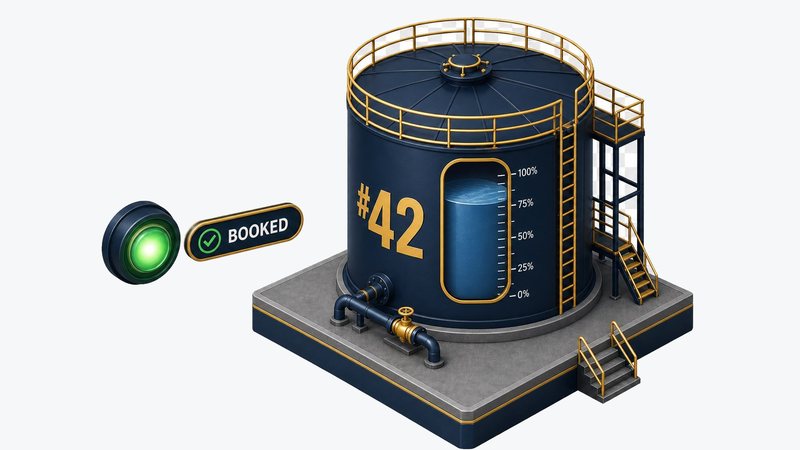
Tank-Farm Availability
Which tanks are free, reserved or booked, with days and price, and each tank farm on a map.
Read more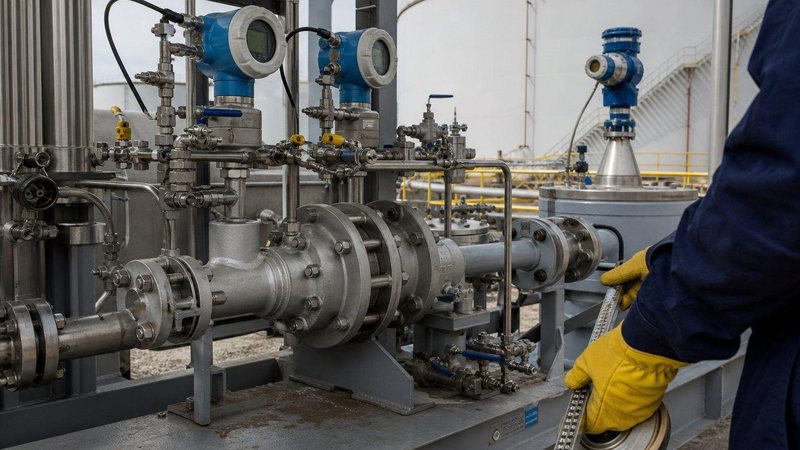
Custody Transfer Measurement
Tank gauging, meters and provers, sampling and volume correction to API MPMS standards.
Read more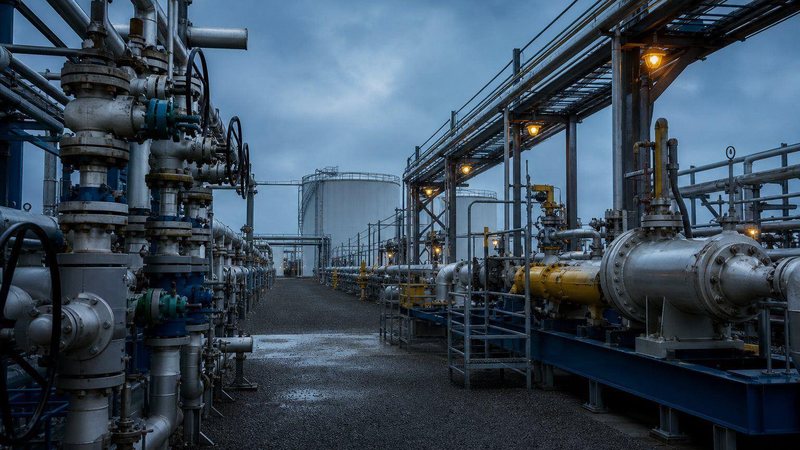
Tank & Line Heating
Steam, thermal oil and heat tracing for viscous products, with logged temperatures and clear pricing.
Read more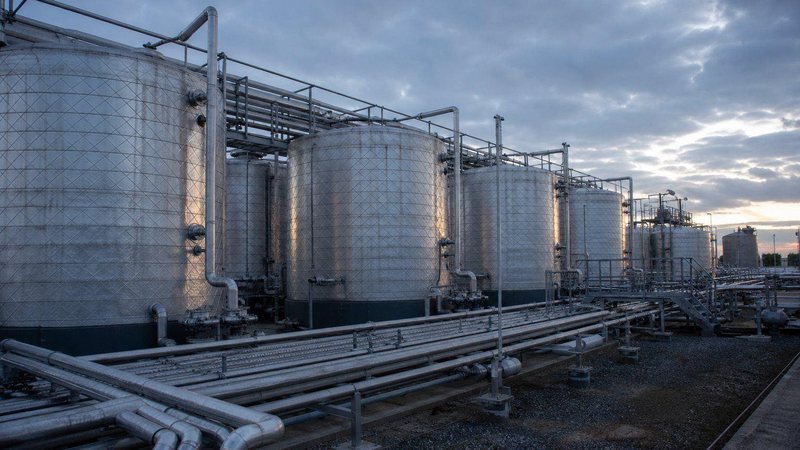
Tank Leasing: How Storage Deals Work
Dedicated or commingled, take-or-pay or throughput: how tank leases are priced and what to check.
Read moreBook tank capacity
Check live availability below, then tell us the grade, quantity and term you need.