


Marine Tanker Freight
From a coastal product tanker to a VLCC carrying about two million barrels, we match the ship to the parcel, the berth and the trade, then vet it before it is fixed.
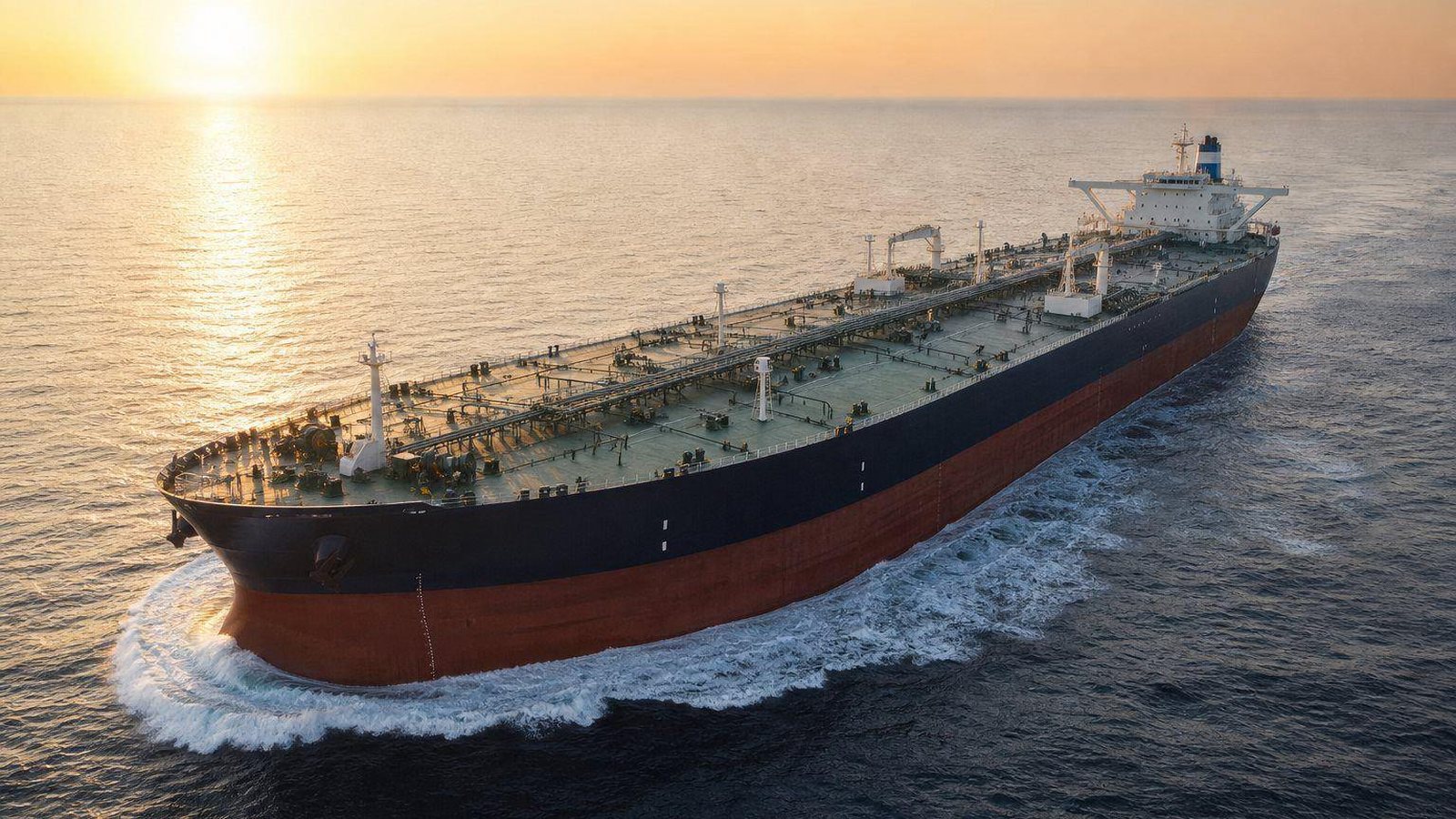
Tanker freight is priced by the ship, but the ship is chosen by the terminals. A cargo can only move on a vessel that fits the load berth and the discharge berth: length overall, draft, manifold arrangement and the maximum displacement the jetty accepts. We start from those limits, then look at parcel size, product cleanliness, tank coating, heating needs and the number of grades that must stay segregated.
Size classes are market shorthand rather than legal categories, and brokers draw the lines a little differently. The bands below are the ones most charterers use. Clean tankers carry refined products such as gasoline, jet fuel and diesel; dirty tankers carry crude oil, fuel oil and other black products. Moving a ship from dirty to clean trade takes tank cleaning and usually a run of clean cargoes before receivers accept sensitive grades such as jet fuel.
Crude and dirty tonnage
Crude moves on the largest ships because freight per barrel falls as size rises, provided both ends can take the ship. Where a port is too shallow for a full VLCC, cargo is moved by lightering: a ship-to-ship transfer between a large tanker offshore and smaller ships that work the berth.
| Class | Approx. DWT | Typical cargo and trade |
|---|---|---|
| ULCC | 320,000+ | Longest crude hauls; few remain in trading service |
| VLCC | 200,000-320,000 | About 2 million bbl of crude on long-haul routes |
| Suezmax | 120,000-200,000 | About 1 million bbl; sized around Suez Canal transit limits |
| Aframax | 80,000-120,000 | Crude and fuel oil on short and medium hauls; common lightering ship |
| Panamax | 55,000-80,000 | Crude and dirty products; sized to the original Panama Canal locks |
Clean product tankers
Clean tankers have coated tanks, often epoxy or zinc silicate, and many carry a separate pump and line for each tank so several grades can travel segregated. Before loading a sensitive grade we check the last three cargoes, the coating compatibility with the product and the cleaning method the owner used.
| Class | Approx. DWT | Typical cargo and trade |
|---|---|---|
| LR2 | 80,000-160,000 | Long-haul naphtha, jet and diesel; can also trade dirty |
| LR1 | 55,000-80,000 | Product parcels on medium and long routes |
| MR (MR1 and MR2) | 25,000-55,000 | The core of the clean trade: gasoline, diesel, jet, blendstocks |
| Handysize | 10,000-30,000 | Regional product and chemical trades, smaller ports |
| GP (general purpose) | Under 25,000 | Coastal and short-sea distribution into smaller terminals |
Specialist and offshore tonnage
Some ships are defined by their job rather than their size. Chemical and parcel tankers are classed under the IMO International Bulk Chemical (IBC) Code by the hazard of the cargoes they may carry, with Type 1 for the most hazardous. Offshore units load and store crude at the field, and bunker tankers deliver fuel to other ships in port.
| Type | What it does |
|---|---|
| Coastal tanker | Small product tanker on short-sea routes into shallow terminals |
| Bunker tanker | Delivers marine fuel to ships at anchor or alongside, under a bunker delivery note |
| Chemical / parcel tanker | IMO Type 1, 2 or 3 ship with coated or stainless tanks and many segregations |
| Shuttle tanker | Dynamic-positioning ship that bow-loads crude from offshore fields |
| FSO | Floating storage and offloading unit, often a converted tanker, moored at a field or terminal |
| FPSO | Floating production, storage and offloading unit that processes well fluids and stores crude for export |
Vetting before fixing
No tanker is fixed until it passes vetting. We read the latest OCIMF SIRE 2.0 inspection report, check the Q88 questionnaire against the requirements of both terminals, review port state control history and look at the manager's TMSA self-assessment. For chemical ships we also read the CDI inspection report. Terminal acceptance is a separate test: each berth sets its own limits on size, age and equipment.
- SIRE 2.0: the OCIMF Ship Inspection Report Programme used by charterers and terminals
- CDI: Chemical Distribution Institute inspections for chemical and parcel tankers
- Q88: the standard tanker questionnaire on dimensions, tanks, pumps and certificates
- Port state control: detentions and deficiencies in recent inspections
- Sanctions screening of the ship, owner, manager and flag history
Jones Act and US coastwise trade
Cargo moving by water between two US points, for example from a Gulf Coast refinery to a Florida terminal, must travel on a vessel that is built in the United States, documented under the US flag, owned by US citizens and crewed mainly by US citizens. This is Section 27 of the Merchant Marine Act of 1920, known as the Jones Act, now codified at 46 U.S.C. 55102.
Jones Act tonnage is a small, separate market, so freight can sit well above foreign-flag rates for a voyage of similar length. When the commercial question is open, we price both routings: a coastwise move on a qualified tanker or ATB, and an import on foreign-flag tonnage from a foreign load port. Waivers are rare and granted case by case.
Frequently asked questions
How many barrels does a tanker of a given DWT carry?
Deadweight covers cargo, fuel, water and stores, so cargo is always somewhat less than DWT. Barrels per metric ton depend on density: roughly 7.2 to 7.4 for a medium crude and about 8.5 for gasoline. A 100,000 DWT Aframax therefore carries in the region of 700,000 barrels of crude.
What is the difference between clean and dirty tankers?
Clean tankers carry light refined products such as gasoline, jet fuel, diesel and naphtha in coated tanks. Dirty tankers carry crude, fuel oil and other heavy black products. A ship can switch from clean to dirty in one voyage, but going back to clean takes thorough tank cleaning and usually a series of clean cargoes.
Can a VLCC load directly at a US Gulf Coast berth?
Few US Gulf berths can load a VLCC to its full draft. Most VLCC exports from the region load partly at a terminal or offshore port and complete by reverse lightering, where smaller tankers carry cargo out and transfer it ship to ship.
Related
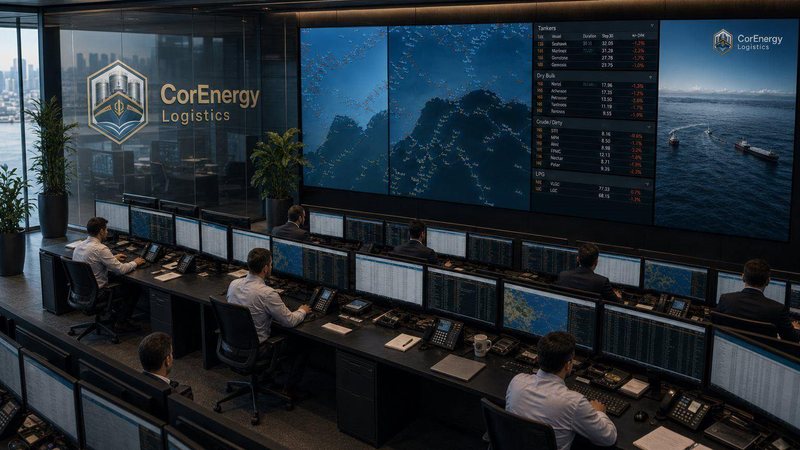
Chartering Desk
Voyage, time charter and COA fixtures, Worldscale freight, laytime and demurrage handled end to end.
Read more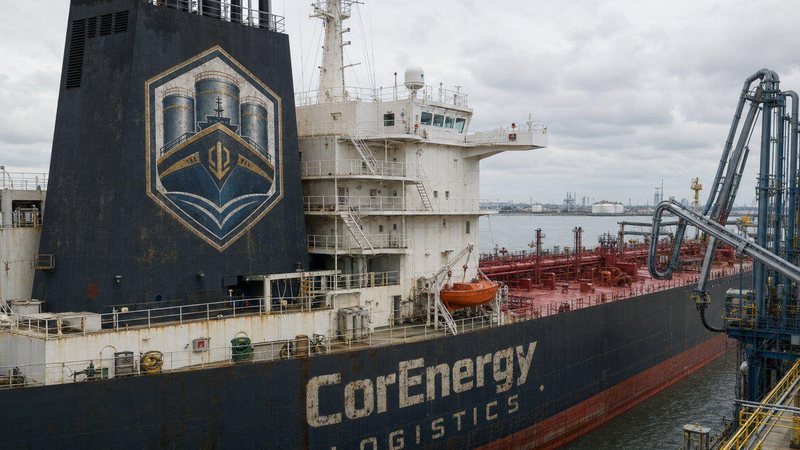
Tanker and Conveyance Sizes
MR to VLCC, barges, ATBs, rail cars and trucks: typical sizes and what they carry.
Read more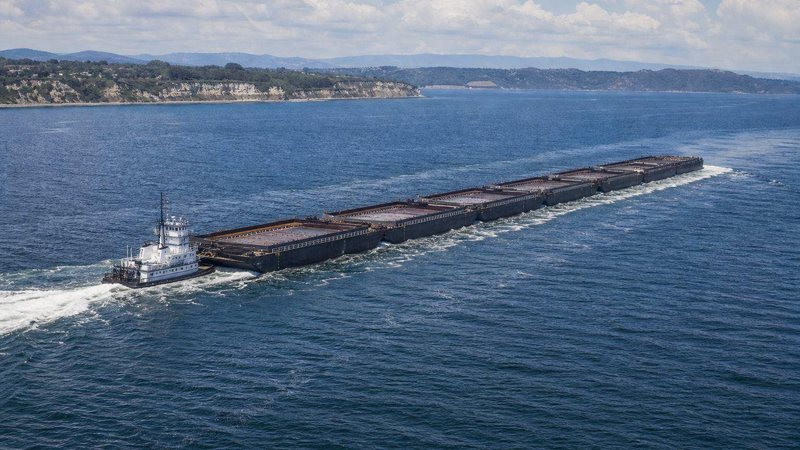
Tank Barge Transport
Inland tank barges, tows, ATBs and heated asphalt barges on US rivers, the Intracoastal and the coast.
Read more
Laytime and Demurrage, Explained
NOR, laytime, demurrage and despatch, with a worked tanker claim using hypothetical figures.
Read moreNeed a ship for a parcel?
Tell us the grade, quantity, load and discharge ports and laycan. We return vessel options that fit both berths.