


Cushing, Oklahoma
The inland crossroads of North American crude. We arrange tank capacity, pipeline nominations and measurement at Cushing, the delivery point for NYMEX WTI.
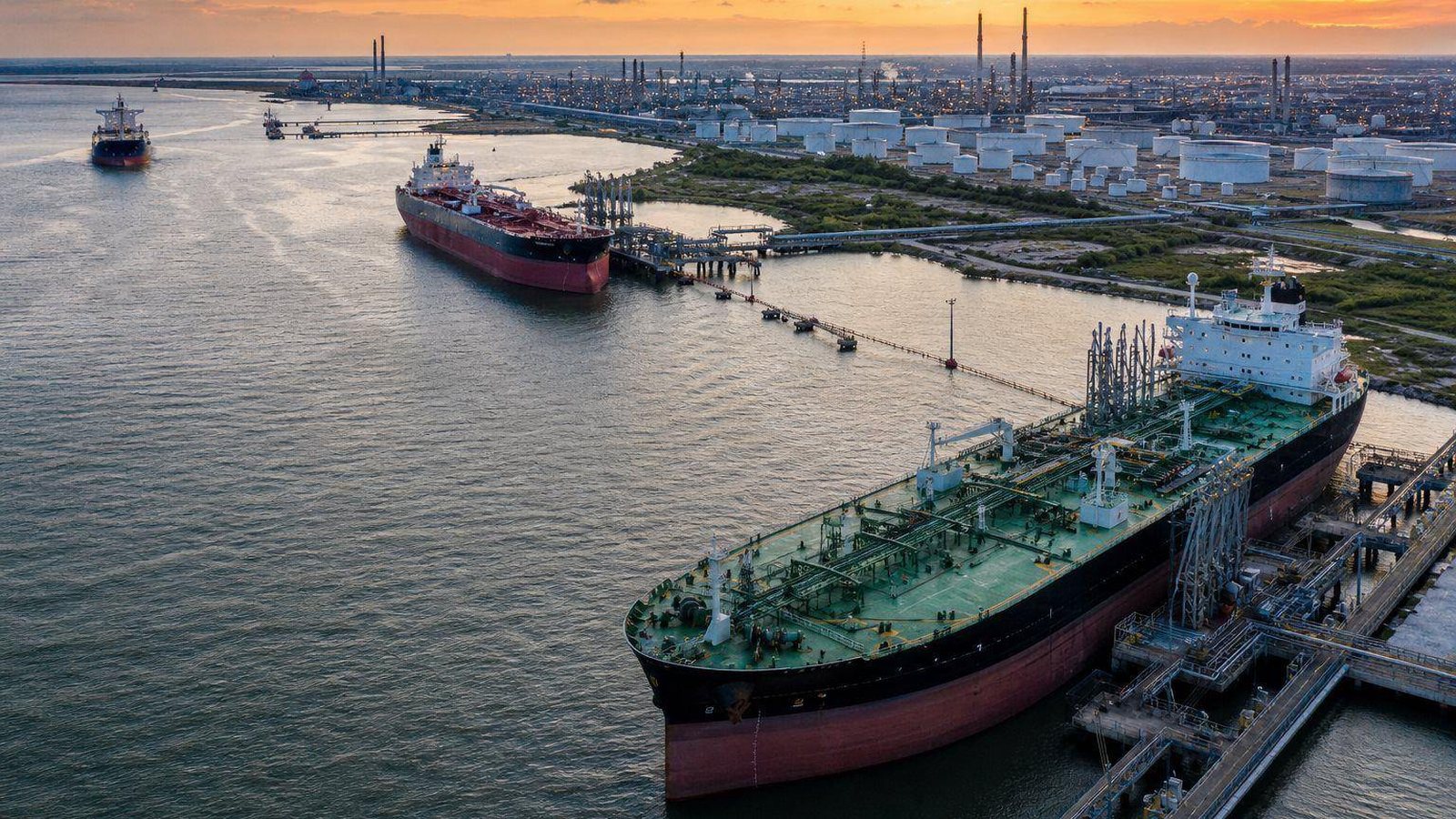
Cushing has no coastline and no refinery of note, yet it sets the price of US crude. The NYMEX Light Sweet Crude Oil futures contract, known as WTI, is physically delivered here, so barrels from Canada, the Rockies, the Mid-Continent and the Permian meet in one cluster of tank farms before moving on to refiners and the Gulf Coast export docks.
Because everything at Cushing moves by pipeline, the work is about scheduling, measurement and tank rotation rather than berths. We source third-party crude tankage, coordinate nominations with the inbound and outbound pipeline operators, and appoint independent inspectors to witness custody transfer on meters and tank gauges.
Why an inland tank farm sets the price
A futures contract needs a physical delivery point that many buyers and sellers can reach. Cushing became that point because pipelines from almost every US producing region converge there and lines such as Seaway and Keystone carry crude on to the Gulf Coast. Holders of expiring WTI contracts take or make delivery in Cushing tanks, so local inventory feeds straight into the price curve.
When Cushing stocks run low, nearby WTI tends to strengthen against later months. In mid-2026 inventories fell below 20 million barrels and WTI briefly priced above Brent, the narrowest spread since early 2022. When stocks build, contango widens and storage becomes more valuable.
What we arrange at Cushing
Our desk works the pipeline side of a Cushing position: inbound and outbound nominations, tank allocation and the measurement that settles each transfer.
- Third-party crude tankage for segregated or commingled storage
- Pipeline nominations in and out of the hub
- Meter proving and tank gauging witnessed by independent inspectors
- Quality checks against WTI delivery specifications
- Onward movement to Gulf Coast storage and export docks
Frequently asked questions
Why does Cushing set the WTI price when it is so far from the sea?
It is the delivery point named in the NYMEX contract, and it sits where pipelines from most US producing regions meet. Physical barrels can reach it and leave it easily, which makes the futures price a reliable reflection of the physical market.
What are tank bottoms?
The volume a tank must keep to operate safely, which cannot be pumped out. In 2026 the EIA noted Cushing stocks were close to these levels, which limited how much crude the hub could actually deliver.
How much can Cushing store?
The last official EIA survey, in March 2024, put working capacity at 78.4 million barrels. The EIA has since stopped the survey, so current figures come from individual operators.
Related
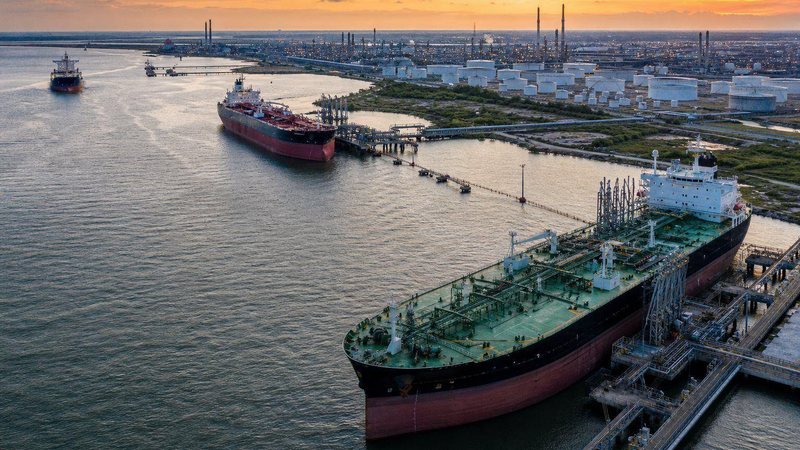
US Gulf Coast
Houston, Corpus Christi, LOOP and St. James: storage, freight and inspection we arrange on the Gulf.
Read more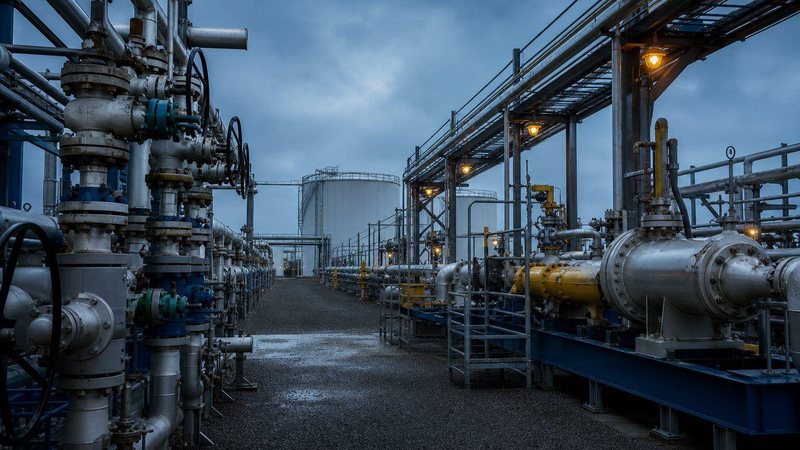
Pipeline Shipments
Common-carrier pipelines, FERC tariffs, nominations, batching and metered custody transfer.
Read more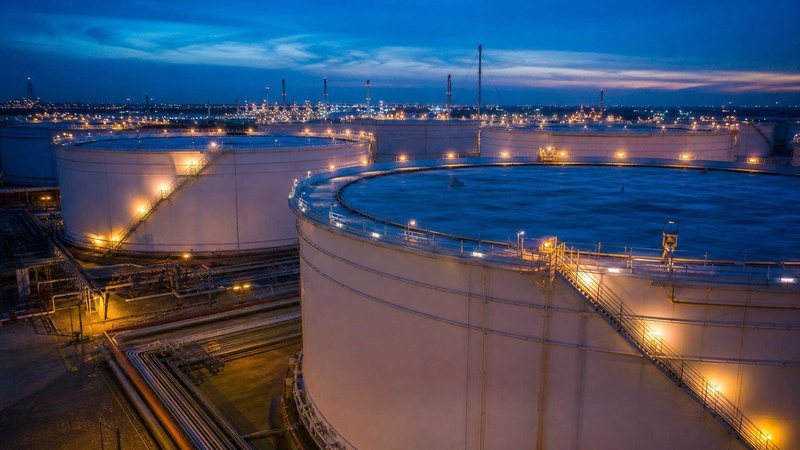
Crude Oil Storage
Floating-roof tankage, grade segregation, H2S control and blending to refinery spec.
Read more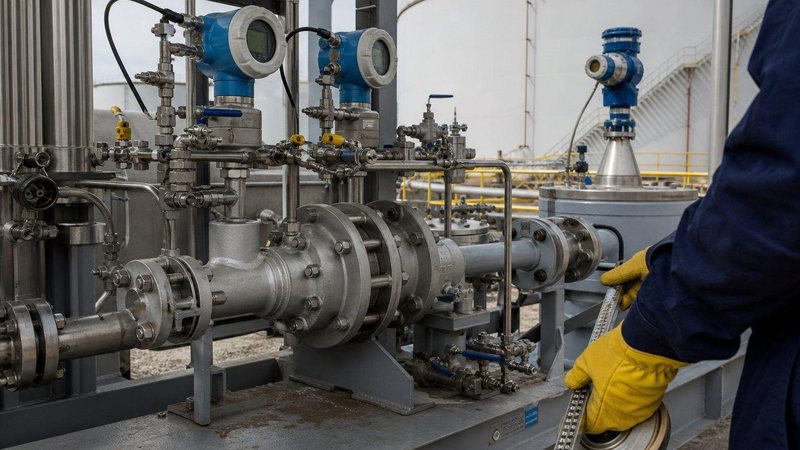
Custody Transfer Measurement
Tank gauging, meters and provers, sampling and volume correction to API MPMS standards.
Read moreHold crude at Cushing
Send grade, volume and timing. We will propose tankage, pipeline scheduling and inspection for your Cushing position.