


Suez & SUMED, Egypt
The crude bypass around the Suez Canal. We arrange tanker freight, storage and inspection for cargoes moving through SUMED between Ain Sukhna and Sidi Kerir.
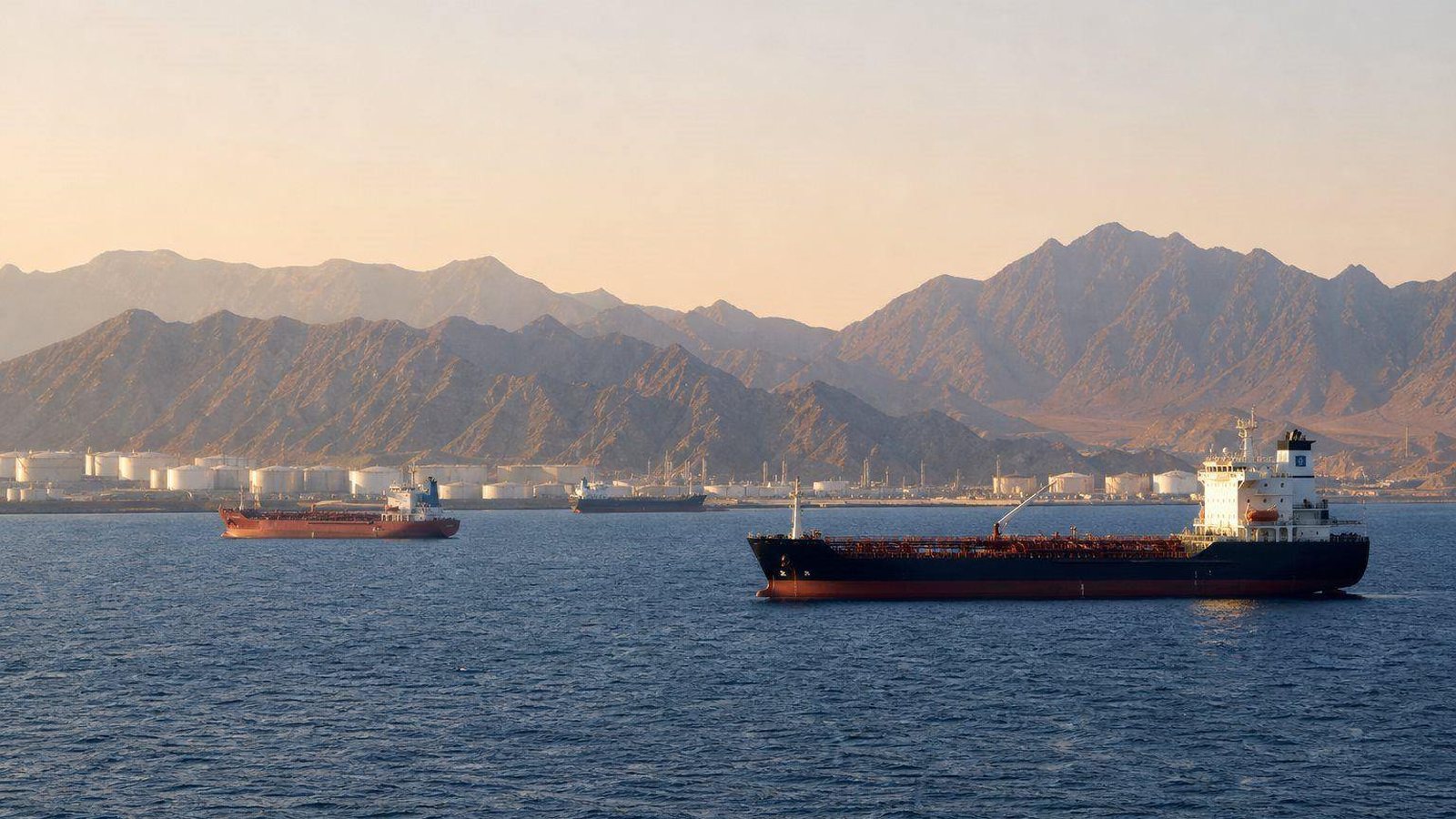
Fully laden very large crude carriers cannot pass through the Suez Canal. The SUMED pipeline solves this: tankers discharge at Ain Sukhna on the Red Sea, the crude runs 320 kilometres across Egypt, and other tankers reload at Sidi Kerir near Alexandria.
With shipping through the Strait of Hormuz disrupted in 2026, SUMED flows rose by about 150 percent and approached operational limits. We plan slots early, fix tankers on both sides, and appoint inspectors at discharge and reloading.
How a SUMED movement works
A loaded VLCC discharges into tanks at Ain Sukhna through offshore buoy moorings. The crude moves through two 42-inch lines to Sidi Kerir, where it is stored and reloaded onto tankers for Mediterranean and European buyers. The pipeline is owned by the Arab Petroleum Pipelines Company, with Egypt's EGPC holding half.
| Step | Location |
|---|---|
| Discharge from VLCC | Ain Sukhna, Red Sea |
| Pipeline transit | 320 km across Egypt |
| Storage and reloading | Sidi Kerir, Mediterranean |
| Onward voyage | Mediterranean and European refineries |
What we arrange
When flows are close to capacity, slots at both ends are the limiting factor, so timing drives the plan.
- VLCC freight to Ain Sukhna
- Reloading tonnage at Sidi Kerir
- Storage between discharge and reload
- Independent quantity checks at both ends
- Tracking across the full route
Frequently asked questions
Why use SUMED instead of the canal?
Laden VLCCs are too deep for the canal. SUMED lets their crude cross Egypt by pipeline.
Can crude be stored at Sidi Kerir?
Yes. The terminal stores crude between pipeline delivery and reloading.
Who owns SUMED?
The Arab Petroleum Pipelines Company, with EGPC holding 50 percent and Gulf shareholders the rest.
Related
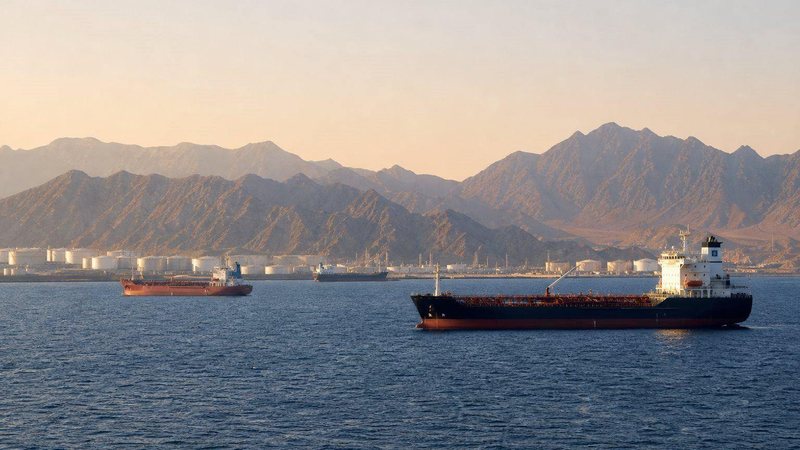
Ceyhan, Türkiye
Azeri, Kazakh and Iraqi crude loading on the eastern Mediterranean.
Read moreRas Tanura, Saudi Arabia
Saudi crude exports to Asia and beyond from the Arabian Gulf.
Read more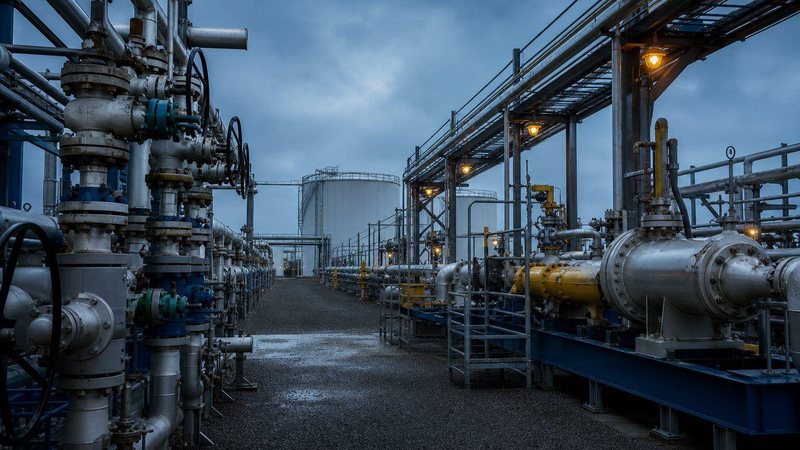
Pipeline Shipments
Common-carrier pipelines, FERC tariffs, nominations, batching and metered custody transfer.
Read more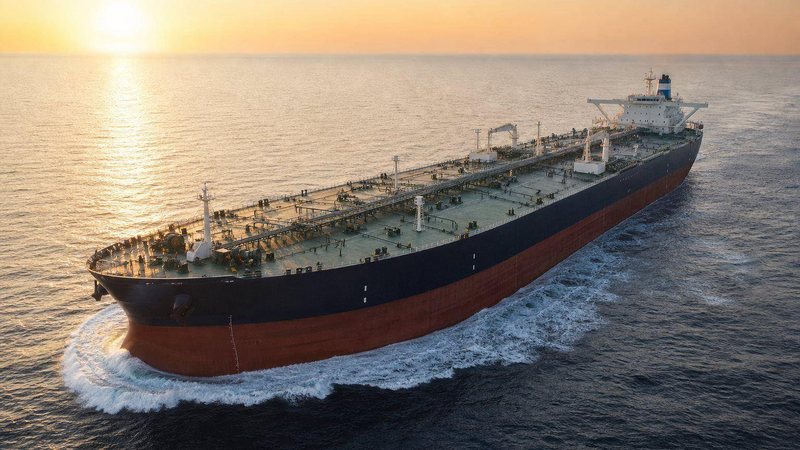
Marine Tanker Freight
Tanker size classes, SIRE 2.0 vetting and Jones Act rules, matched to your parcel and both berths.
Read moreMove crude through SUMED
Send grade, volume and timing. We will propose freight, slots and inspection for a SUMED movement.