


Los Angeles–Long Beach
The fuel gateway to Southern California. We arrange tankage, CARB-compliant product supply, marine freight and inspection at the ports of Los Angeles and Long Beach.
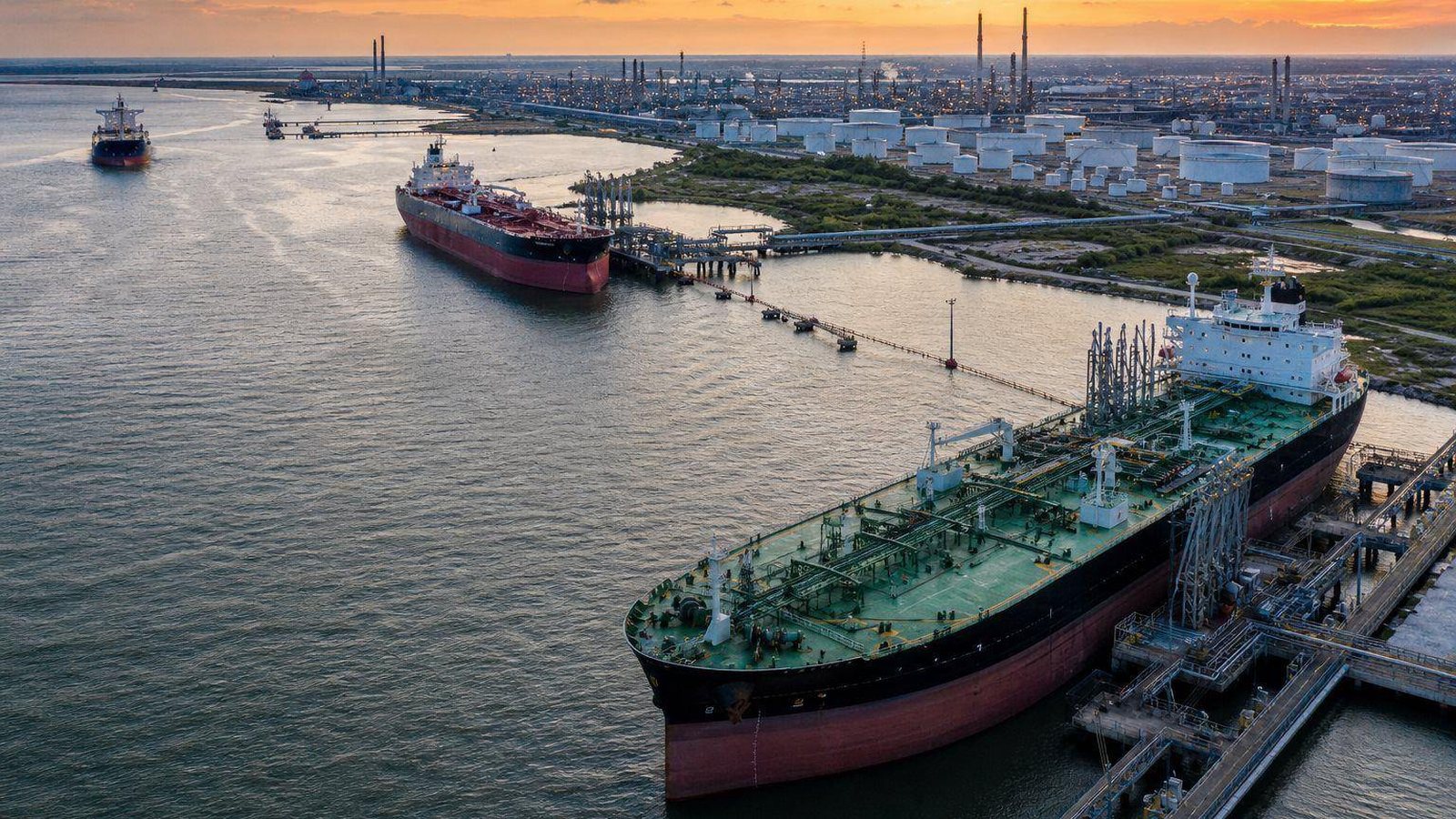
California runs on its own fuel specifications set by the California Air Resources Board, and almost no pipeline capacity links it to the Gulf Coast. That makes the twin ports of Los Angeles and Long Beach critical: they receive crude for the remaining Los Angeles refineries and refined product imports when local output falls short.
Refinery closures in 2025 and 2026, including the Phillips 66 Los Angeles plant, have made imports more important. We source tankage at the port terminals, fix product and crude freight, and appoint inspectors who test cargoes against CARB specifications before discharge.
An island fuel market
Gasoline sold in California must meet CARBOB specifications, which few refineries outside the state produce. With limited pipeline links to other regions, a refinery outage in Los Angeles shows up quickly in local prices. Platts, Argus and OPIS assess LA pipeline prices for CARBOB and CARB diesel, and the EIA publishes daily spot series.
The Port of Los Angeles hosts seven liquid bulk terminals operated by companies including Kinder Morgan, PBF, Phillips 66, Shell, Valero and Vopak. Long Beach handles crude and product tankers through one of the deepest approach channels on the West Coast.
Rules that shape terminal work
Marine oil terminals in California must meet MOTEMS, the Marine Oil Terminal Engineering and Maintenance Standards enforced by the State Lands Commission, which also inspects transfers daily. Tank emissions fall under South Coast AQMD rules, including Rule 463 for organic liquid storage.
- Tankage for CARBOB, CARB diesel, jet fuel and renewable diesel
- Crude storage and delivery to Los Angeles refineries
- Product freight from Asia and the Pacific Northwest
- Independent inspection against CARB specifications
- Tracking from load port to berth and tank
Frequently asked questions
Why are Southern California fuel prices so sensitive to refinery outages?
The state uses its own fuel specifications and has little pipeline connection to other regions, so lost local output has to be replaced by imported cargoes that take weeks to arrive.
What is MOTEMS?
The Marine Oil Terminal Engineering and Maintenance Standards, part of the California Building Code. They set seismic, structural and maintenance requirements for marine oil terminals.
Can very large tankers call at Long Beach?
The approach channel is 76 feet deep, and pilots bring in deep-draft crude tankers within tidal windows. Further channel deepening is planned.
Related
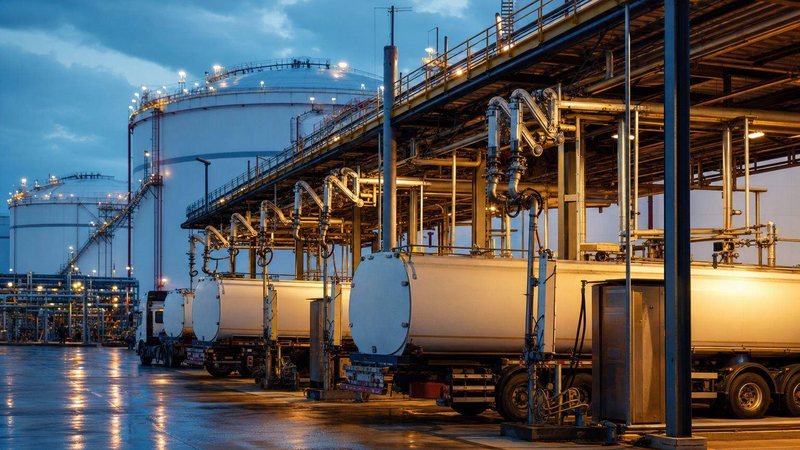
Refined Products Storage
Gasoline blendstocks, ULSD and jet fuel on segregated systems, with dye and additive injection.
Read more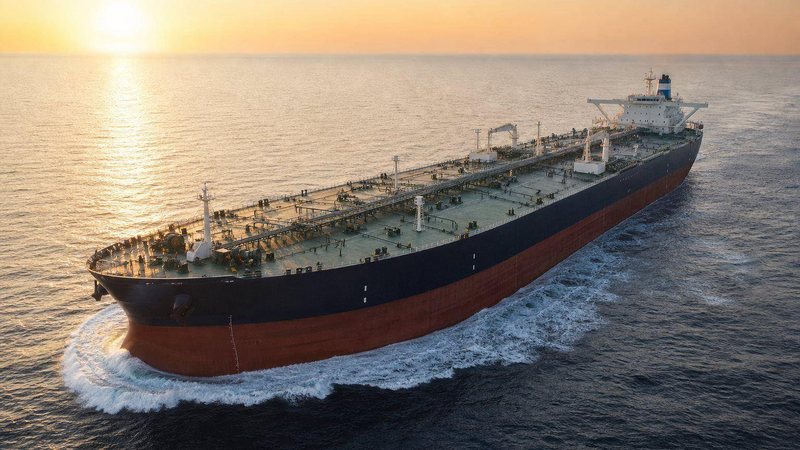
Marine Tanker Freight
Tanker size classes, SIRE 2.0 vetting and Jones Act rules, matched to your parcel and both berths.
Read more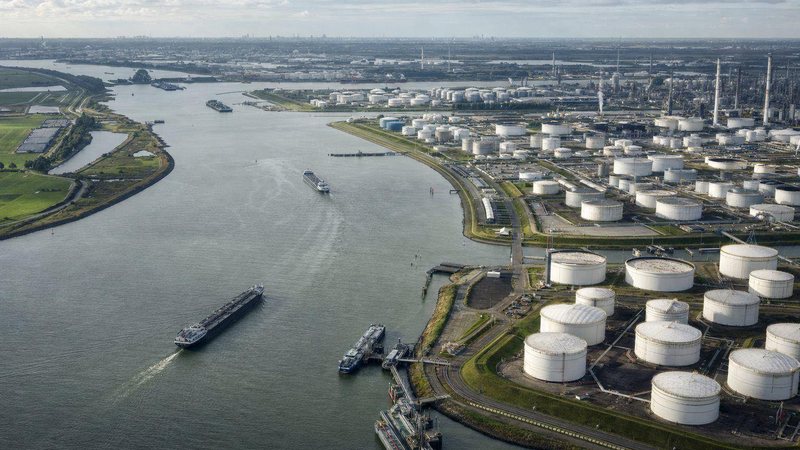
Vancouver (Westridge)
Trans Mountain crude loading at Westridge for Asian and US West Coast buyers.
Read more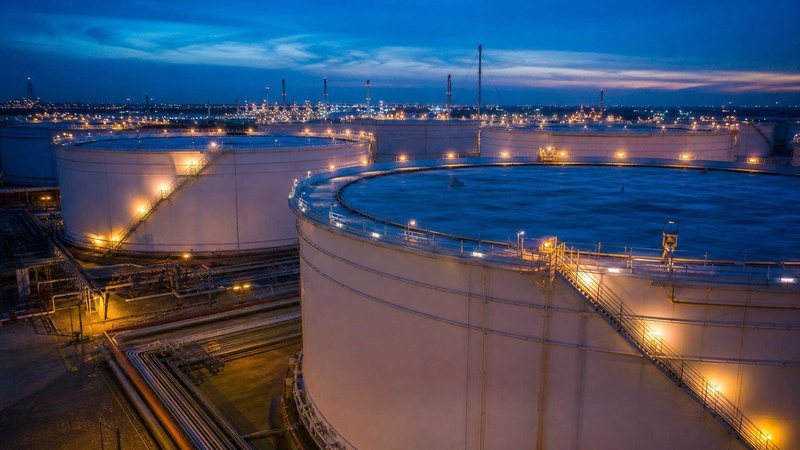
Crude Oil Storage
Floating-roof tankage, grade segregation, H2S control and blending to refinery spec.
Read moreSupply the California market
Send product, specification, volume and timing. We will propose storage, freight and CARB testing for your Los Angeles–Long Beach cargo.