


Hamburg
Germany's largest port and an Elbe gateway for products. We arrange tankage, blending and barge or rail distribution in Hamburg's independent terminals.
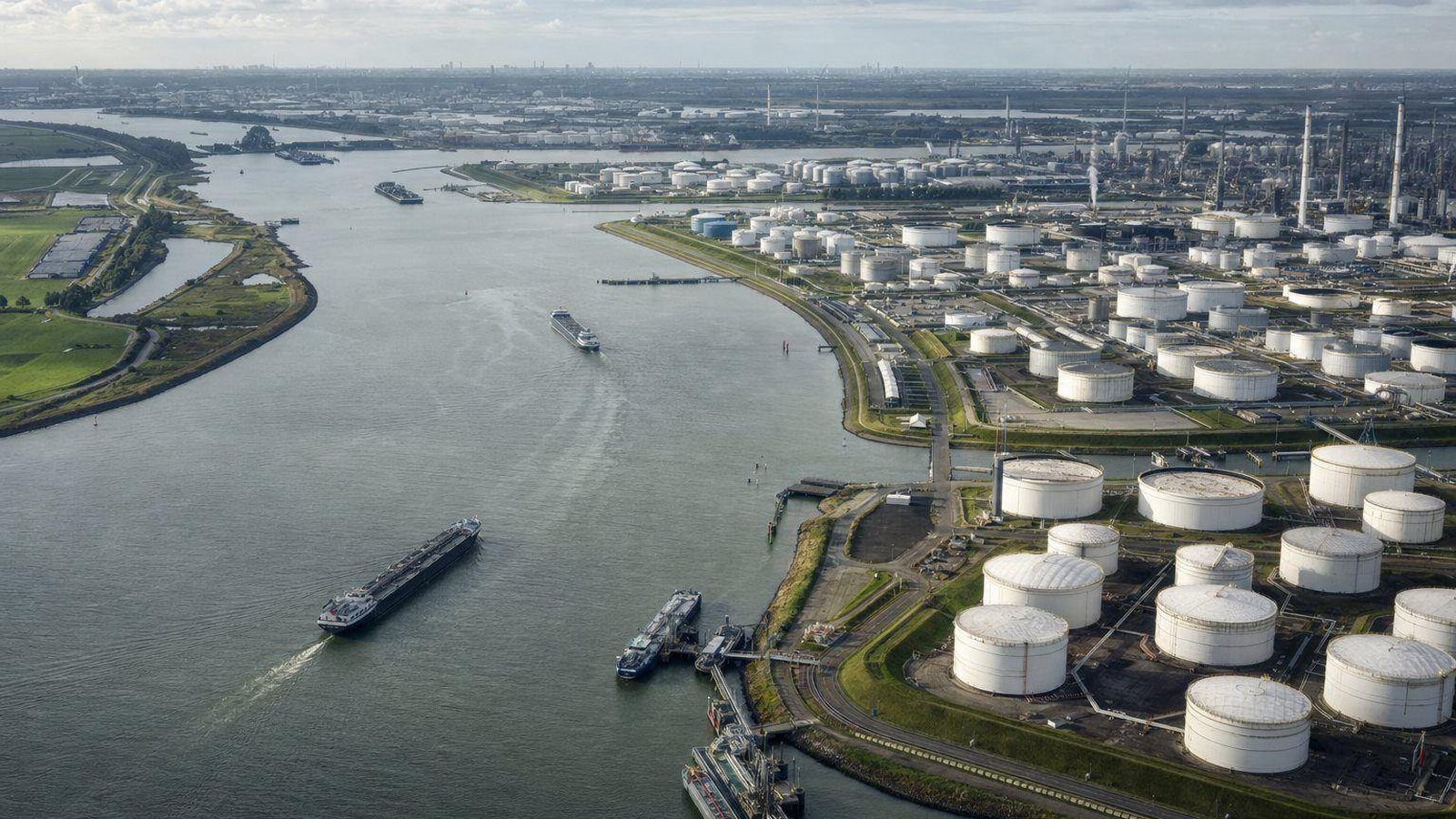
Hamburg handled 114.6 million tonnes in 2025, more than any other German port. Its liquid bulk terminals store gasoline, diesel, heating oil, biofuels and chemicals, and the Holborn refinery in Harburg adds local output fed by pipeline from Wilhelmshaven.
Tankers reach Hamburg up the Elbe, so draft limits decide vessel size. From the terminals, product moves inland by barge, rail and truck. We source tankage in independent terminals, plan blending and onward movements, and appoint inspectors at each transfer.
Working within the Elbe
The Hamburg Port Authority allows up to 15.20 metres inbound and 13.80 metres outbound when using the tide, and 12.90 metres regardless of tide. That rules out laden very large crude carriers, so the port serves product and chemical tankers and coastal trades. Prices generally follow ARA and Northwest Europe assessments.
| Terminal | Profile |
|---|---|
| Oiltanking Deutschland | 72 tanks, two liquid jetties, 12.7 m maximum depth |
| Evos Hamburg | 170 tanks, about 670,000 m³, five jetties |
| Holborn refinery | 5 Mt/yr, crude supplied by pipeline |
What we arrange in Hamburg
Dangerous goods handling in the port follows the Hamburg port dangerous goods ordinance enforced by the port authority.
- Tankage for gasoline, diesel, heating oil, biofuels and chemicals
- In-tank blending and additization
- Barge and rail distribution to inland Germany and Central Europe
- Independent inspection at each transfer
- Tracking from load port up the Elbe to the terminal
Frequently asked questions
Can VLCCs reach Hamburg?
No. Draft limits on the Elbe restrict laden tanker size, so crude for the region usually lands at deep-water ports such as Wilhelmshaven.
How do products move inland from Hamburg?
By barge on the Elbe and connected canals, by rail and by truck.
How are Hamburg products priced?
Usually against ARA and Northwest Europe barge and cargo assessments.
Related
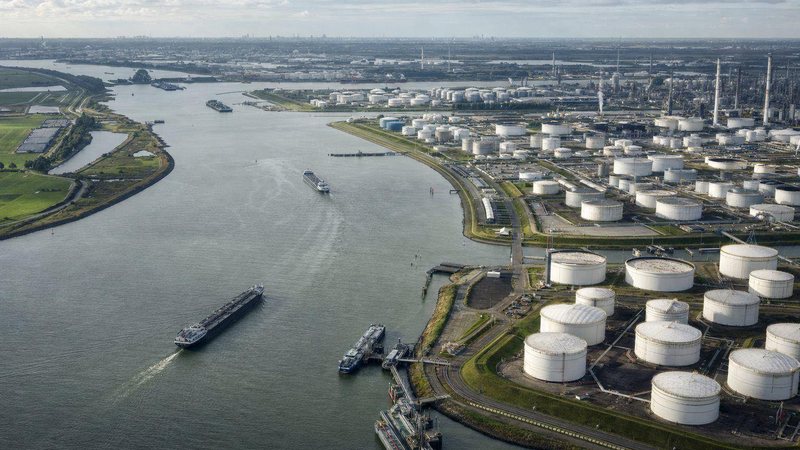
ARA: Amsterdam-Rotterdam-Antwerp
Storage, blending and Rhine barging across Amsterdam, Rotterdam and Antwerp.
Read more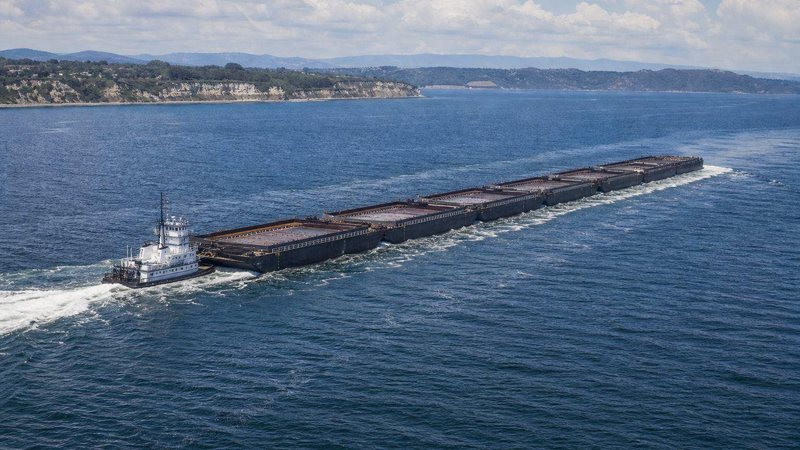
Tank Barge Transport
Inland tank barges, tows, ATBs and heated asphalt barges on US rivers, the Intracoastal and the coast.
Read more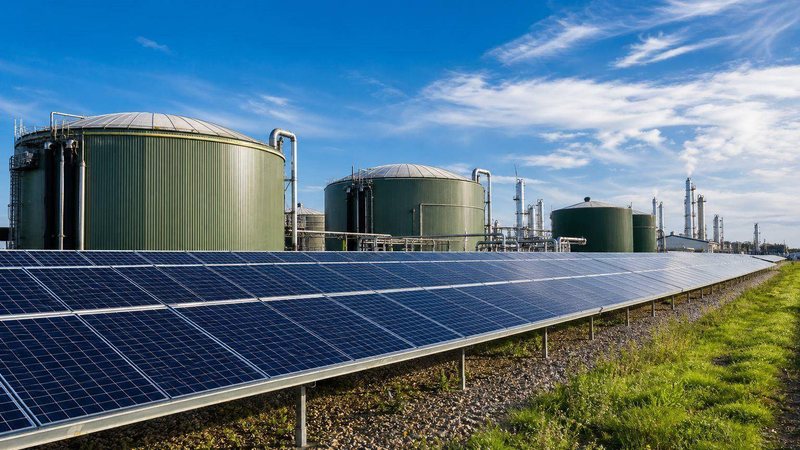
Renewables & Biofuels Storage
Ethanol, FAME, renewable diesel and SAF stored dry and warm, with records for ISCC and RINs.
Read more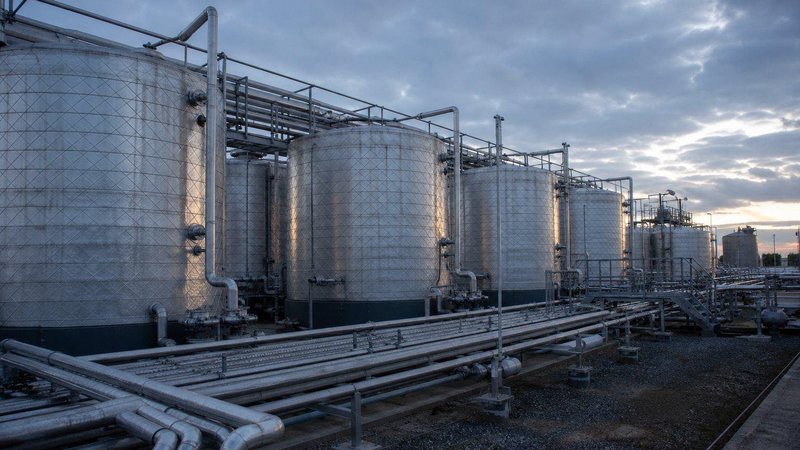
Chemical Storage
Tank material matched to product, nitrogen blanketing, dedicated lines and audited grade changes.
Read moreStore in Hamburg
Send product, volume and timing. We will propose tankage and inland distribution from Hamburg.