


Amsterdam, Netherlands
Europe's gasoline blending hub. We arrange tankage, blending, barge freight and inspection in Amsterdam's gasoline and jet fuel terminals.
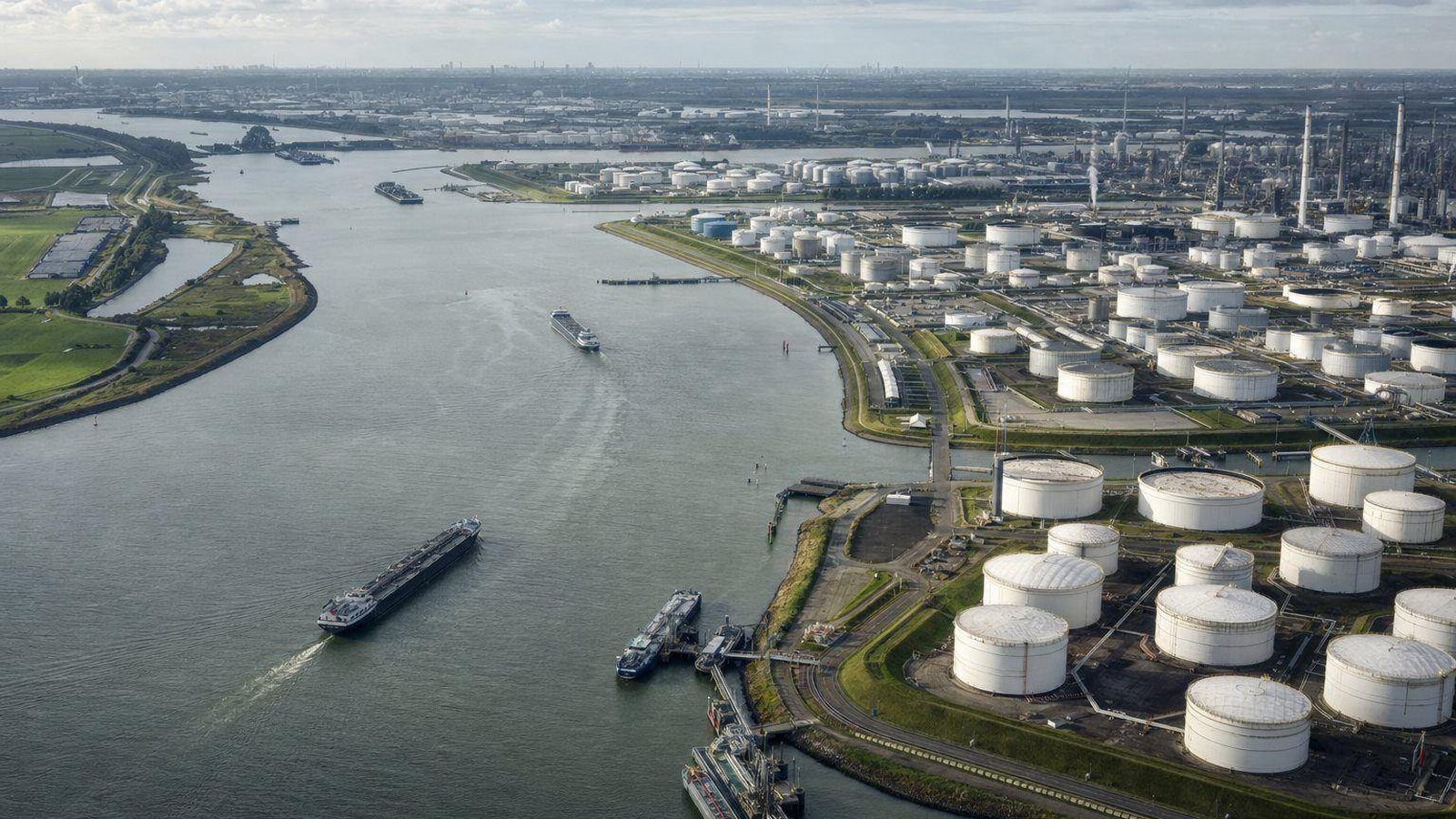
Amsterdam calls itself the world's largest gasoline port. Rather than refining crude, its terminals store gasoline components and blend them to specification, including bio-components and butane, for traders and export markets.
European gasoline is priced as Eurobob on the Amsterdam–Rotterdam barge market. Amsterdam also supplies about half of Schiphol airport's jet fuel by pipeline. We arrange tankage, blending, barge freight and inspection.
Blending and Eurobob
Argus Eurobob is the European gasoline benchmark, based on FOB Amsterdam–Rotterdam barges. The E10 blendstock grade settles ICE and CME futures. Terminals in the port include Evos Amsterdam and others offering gasoline and diesel blending.
- Gasoline component storage and blending
- Eurobob-grade barge loading
- Jet fuel supply for Schiphol
- Independent inspection and sampling
Reaching the port
Ships reach Amsterdam through the North Sea Canal and the IJmuiden sea lock, which is 500 metres long, 70 metres wide and 18 metres deep. The port earns a growing share of its revenue from non-fossil activities.
Frequently asked questions
What does blending hub mean?
Gasoline components are stored, blended to specification and traded on, mainly as Eurobob barges.
How do ships reach Amsterdam?
Through the North Sea Canal via the IJmuiden sea lock.
Does Amsterdam supply jet fuel?
Yes. About half of Schiphol's jet fuel arrives by pipeline from the port.
Related
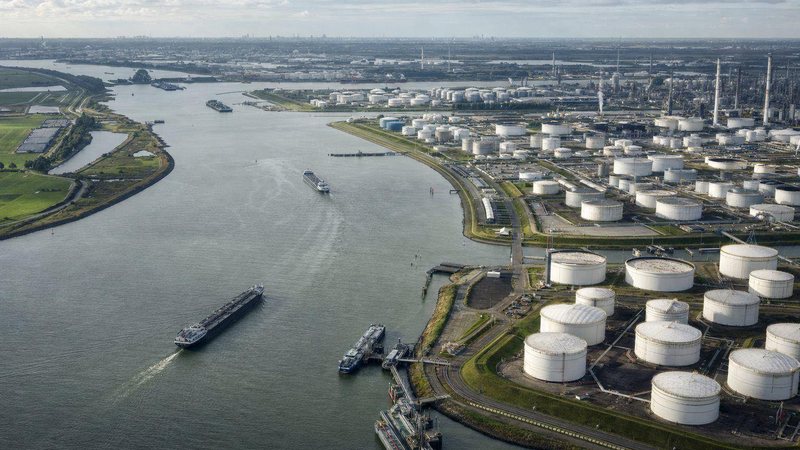
Rotterdam, Netherlands
The crude gateway for Northwest Europe and the reference point for its product prices.
Read moreARA: Amsterdam-Rotterdam-Antwerp
Storage, blending and Rhine barging across Amsterdam, Rotterdam and Antwerp.
Read more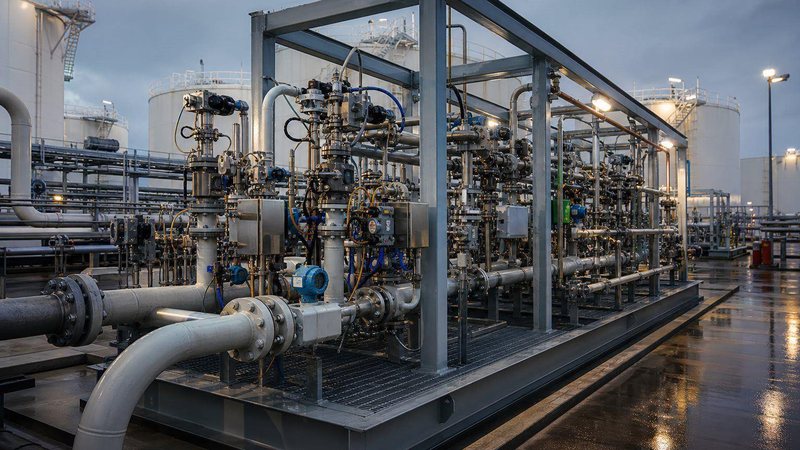
Blending & Additization
In-tank and inline blending and additive injection, verified by ASTM testing before release.
Read more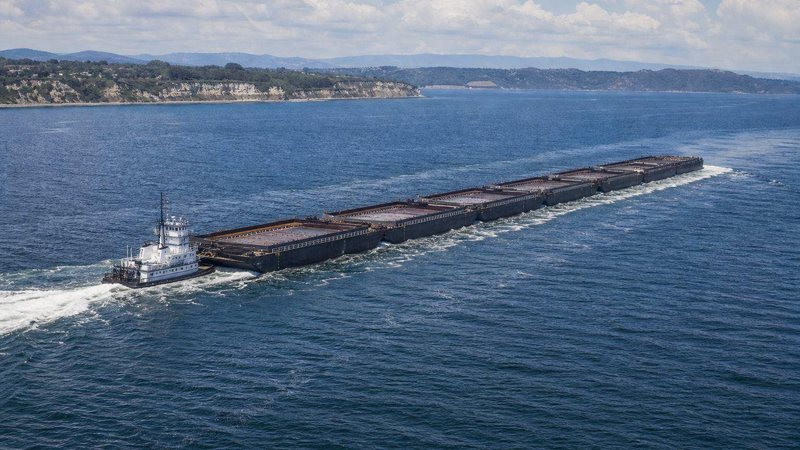
Tank Barge Transport
Inland tank barges, tows, ATBs and heated asphalt barges on US rivers, the Intracoastal and the coast.
Read moreBlend gasoline in Amsterdam
Send components, specification and timing. We will propose tankage and blending.